


If you’re considering 4D number plates, one question that often comes up is how well they perform at night or in poor lighting. Visibility matters for safety, legal compliance and ensuring cameras can read your plates properly.
This guide explains how 4D plates behave in low light, what affects their visibility, and whether they meet UK requirements for reflectivity and readability.
Number plates need to be readable in all conditions, from bright daylight to pitch darkness. This isn’t just about aesthetics or convenience; it’s a legal requirement and a safety consideration for you and other road users.
Number plates serve several critical functions that rely on visibility:
Poor visibility in low light can compromise all these functions, potentially creating safety issues or legal complications.
All road legal number plates in the UK must meet British Standard requirements for reflectivity. This means plates must reflect light from vehicle headlights back towards the source, making them visible in darkness.
The reflective backing material is tested to ensure it performs adequately in various lighting conditions, including night time, fog, rain and other poor visibility scenarios. Plates that don’t meet these standards are not road legal, regardless of how they look.
For full details on requirements, see our guide to DVLA regulations for 3D and 4D number plates.
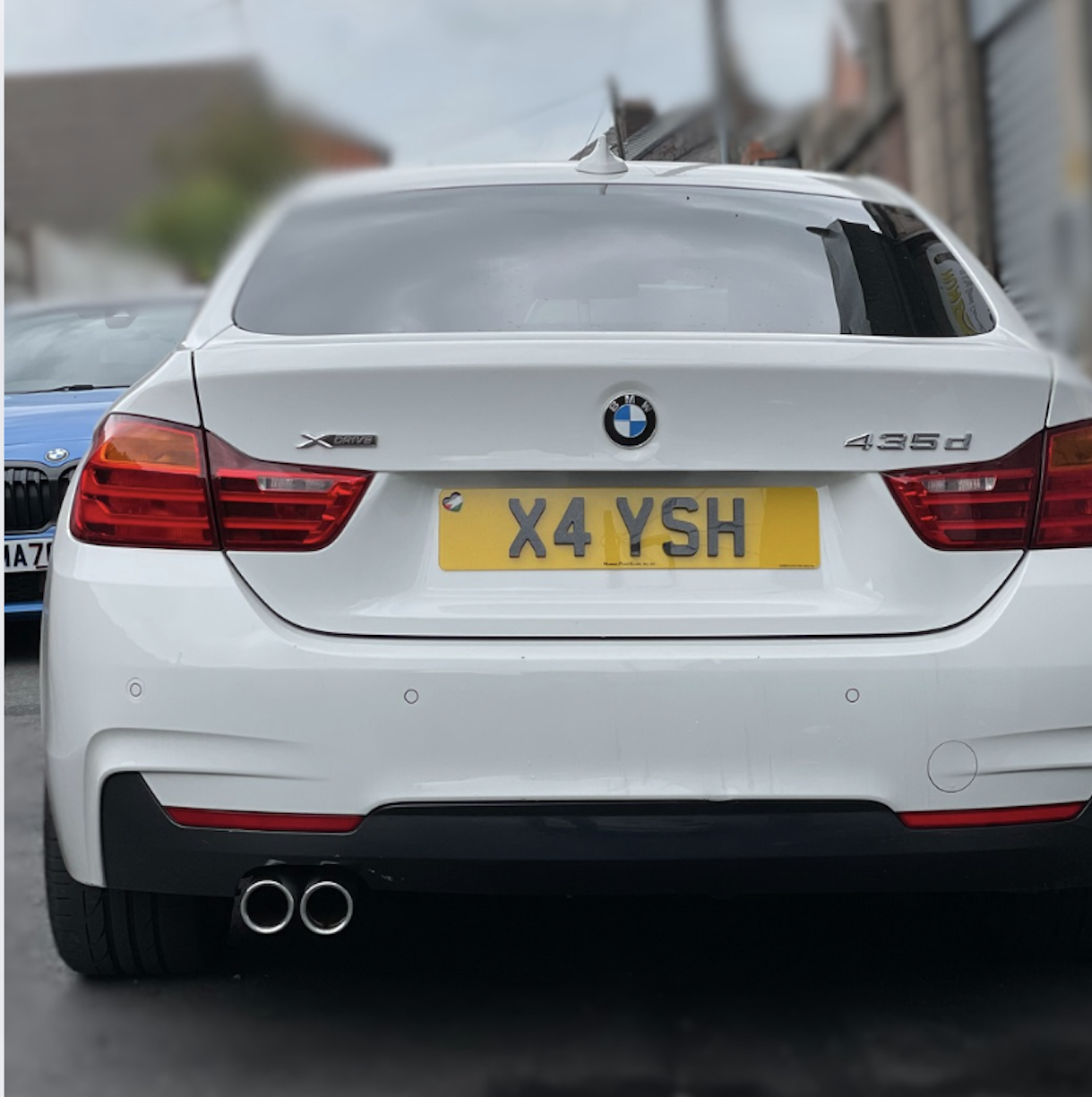
Understanding how 4D plates are made helps explain their performance in different lighting conditions.
4D number plates consist of two main components:
The backing plate provides the reflectivity, while the acrylic characters create the distinctive raised effect. Both components work together to ensure visibility and compliance.
The reflective backing on compliant 4D plates uses retro reflective material. This means it reflects light back towards its source rather than scattering it in all directions. When a car’s headlights shine on your plate at night, the light bounces back towards the driver, making the plate clearly visible.
The black acrylic characters don’t reflect light, which creates the necessary contrast between background and text. This contrast is what makes the registration readable in all conditions.
The question many people ask is whether 4D plates perform differently from standard 2D plates when light levels drop. The answer depends on the quality of materials and construction.
Well made 4D plates using compliant reflective backing perform similarly to standard 2D printed plates in low light. Both rely on the same retro reflective technology to bounce light back from headlights.
The key difference is the raised characters. In some lighting angles, the 3D profile can create slight shadows, but this rarely affects overall readability when plates are made to proper specifications. In fact, the depth can sometimes enhance contrast and make characters more distinct.
3D gel plates sit between standard and 4D styles in terms of character height, and their low light performance is also comparable when made correctly.
Several factors influence how any number plate performs in low light:
These factors apply to all plate types. A poorly maintained standard plate can perform worse than a clean, well fitted 4D plate.
Practical testing shows how 4D plates perform in actual driving conditions rather than just theory.
When 4D plates are illuminated by vehicle headlights in darkness, the reflective backing responds just as standard plates do. The registration is clearly visible from typical following distances, and the raised characters don’t significantly reduce reflectivity.
In tests conducted at various distances and angles:
These results match standard plate performance, provided the 4D plates use proper reflective backing and are kept clean.
Automatic Number Plate Recognition systems use infrared illumination or flash to capture plate images. The camera’s light source illuminates the plate, and the reflective backing bounces the light back to the camera sensor.
Compliant 4D plates work well with these systems. The raised characters don’t interfere with camera recognition because the underlying reflective material still responds to the camera’s light source. For more detail, see our article on the science behind 4D plates and their interaction with speed cameras.
Issues arise only when plates use poor quality materials, incorrect character spacing, or have become dirty or damaged.
Rain, fog and spray can affect any number plate’s visibility. Water on the plate surface can reduce reflectivity temporarily, and thick fog reduces light transmission overall.
In these conditions, 4D plates behave similarly to standard plates. The raised characters can shed water slightly better than flat printed characters, potentially maintaining contrast in heavy rain, but the difference is marginal.
Regular cleaning and maintenance matter more than plate style in poor weather conditions.
If you want to ensure your 4D plates perform optimally in low light, several practical steps can help.
Not all 4D plates are equal. Plates from registered suppliers using certified reflective backing will always outperform cheap alternatives in low light.
Look for plates that:
Our 4D plates meet all these requirements and are built to perform in all UK weather and lighting conditions.
Clean plates reflect light far more effectively than dirty ones. This applies to all plate types but is particularly important if you’re concerned about low light performance.
Clean your plates regularly using:
Avoid harsh chemicals, abrasive materials or high pressure washers aimed directly at the plate, as these can damage the reflective coating.
Plates must be fitted vertically or close to vertical to reflect light effectively back towards its source. Angled or loose plates reduce reflectivity and can fail MOT tests.
Check that:
Proper fitting maximises reflectivity and ensures compliance.
Your vehicle’s rear number plate light must work correctly. This is a legal requirement and helps other drivers see your registration in darkness.
Check your rear plate light regularly and replace bulbs promptly if they fail. Clean the light cover to remove dirt or condensation that can reduce illumination.
For front plates, ensure your headlights are aligned correctly so they don’t cast shadows on the plate itself.
Some drivers worry about specific scenarios where low light performance might be compromised. Here’s how to address common concerns.
The raised profile of 4D characters can theoretically cast small shadows depending on the light angle. In practice, this rarely causes readability issues because:
If you’re particularly concerned, positioning your vehicle so the plate is well lit and keeping it clean will mitigate any minor shadow effects.
If you drive an older vehicle with less powerful headlights or if your rear plate light is dim, you might worry about plate visibility.
In these cases, ensure your plate light bulb is the correct wattage and working properly. Consider upgrading to a brighter LED bulb if your vehicle allows this. The plate itself will still reflect light from other vehicles’ headlights, so you’ll remain visible to following traffic.
Dark car parks and tunnels can challenge any number plate’s visibility. In these environments, ambient lighting is minimal and relies heavily on reflective properties.
4D plates made with proper reflective backing perform well here. Other drivers’ headlights will illuminate your plate just as they would a standard plate. If you frequently use poorly lit car parks, keeping your plates scrupulously clean helps maximise visibility.
If you’re deciding between plate styles partly based on low light performance, here’s how they compare.
Standard 2D plates have characters printed directly onto reflective backing. There are no raised elements to create shadows, so reflectivity is uniform across the entire surface.
Low light performance: Excellent when clean and well maintained. The flat surface reflects light consistently.
3D gel plates feature resin characters that sit slightly proud of the backing. The gel is typically transparent or translucent, allowing some light to pass through.
Low light performance: Very good. The shallow profile creates minimal shadowing, and the gel material doesn’t significantly obstruct reflectivity.
4D plates use solid acrylic characters bonded to reflective backing. The characters are opaque and create the most pronounced 3D effect.
Low light performance: Good to excellent when made with quality materials. The reflective backing provides visibility, and the solid characters offer strong contrast.
In controlled tests with clean plates and proper lighting, the difference in low light performance between these styles is minimal. All three can meet British Standard reflectivity requirements.
The deciding factors are more likely to be personal preference for appearance, budget, and how well you maintain the plates. A clean 4D plate will outperform a dirty standard plate every time.

Your plates must pass inspection and meet legal standards regardless of lighting conditions.
During an MOT test, the examiner checks that number plates:
Low light visibility isn’t directly tested, but the reflective properties are implicit in the British Standard requirement. Compliant 4D plates will pass MOT inspection just as standard plates do.
Police can stop vehicles to inspect number plates. If your plates are illegible due to damage, dirt or noncompliance, you may receive a fixed penalty notice or a requirement to replace them within a set time.
Keeping 4D plates clean and well maintained ensures they remain legal and visible at all times, avoiding any enforcement issues.
For more on what happens if plates are missing or damaged, see our guide on what happens if you drive without a front number plate.
Simple maintenance routines keep your 4D plates performing well in all lighting conditions.
Aim to clean your plates:
Cleaning takes just a few minutes and makes a significant difference to reflectivity and readability.
Check your plates regularly for:
Address any damage promptly by repairing or replacing affected plates. Damaged plates perform poorly in low light and may not be road legal.
UK winters bring additional challenges for plate visibility:
Summer brings different issues like dust and insect residue, which also reduce reflectivity. Year round maintenance is essential.
Lighting conditions and weather vary across the UK, which can affect how much low light performance matters to you.
Urban areas typically have more street lighting, reducing reliance on plate reflectivity for identification by other drivers. However, ANPR cameras and parking systems still need to read plates clearly, and these rely on reflective properties.
Rural areas often have minimal street lighting, making reflectivity more critical for safety and visibility. If you drive regularly in rural areas, ensuring your 4D plates use high quality reflective backing is particularly important.
Scotland, Northern Ireland and northern England experience more overcast days and longer winter darkness than southern England. If you’re based in these regions, low light performance is relevant for a larger proportion of the year.
We supply 4D plates across the UK, including Edinburgh, Belfast and Northern Ireland, Sheffield, Bradford, Dundee, Falkirk and Stirling, Blackpool, Doncaster, Oldham, Shrewsbury, Coventry, Leicester, Nottingham and Southampton. All our plates are built to perform in UK conditions year round.
If you have specific concerns about low light performance that aren’t fully addressed by standard 4D plates, there are some alternative options to consider.
If low light performance is your absolute top priority and you’re willing to sacrifice the distinctive 4D look, standard 2D printed plates offer completely uniform reflectivity with no raised elements.
This might suit fleet vehicles where function is more important than aesthetics, or older vehicles driven primarily at night in rural areas.
3D gel plates offer a middle ground. They provide a premium look with slightly raised characters but less pronounced depth than 4D laser cut plates.
If you like the idea of enhanced appearance but want minimal impact on reflectivity, gel plates are worth considering.
Show plates are designed for static display or off road use and don’t need to meet road legal reflectivity standards. These are not suitable for everyday driving and should never be used on public roads.
If you want a 4D style plate purely for display at shows or in a garage, show plates offer more design freedom, but they’re not a solution for low light driving concerns.
Beyond standard 4D plates, there are other formats and add ons that may be relevant depending on your vehicle type.
Bike plates for motorcycles are smaller and may be more exposed to weather and dirt. Low light performance matters just as much, if not more, for motorcycle safety.
4D bike plates use the same reflective backing technology as car plates. Keep them clean and ensure the rear plate light functions correctly to maintain visibility.
Some vehicles suit non standard shapes like square plates or hex plates for Lamborghinis. These must still meet reflectivity requirements and perform adequately in low light.
The shape doesn’t affect reflective properties as long as the correct backing material is used and the plate is properly illuminated.
Number plate accessories like surrounds or frames should never obstruct the reflective surface or characters. Any accessory that reduces visibility or reflectivity can make your plates noncompliant.
Choose accessories carefully and ensure they don’t interfere with light reflection or plate illumination.
If low light visibility is important to you, here’s a checklist to follow when buying 4D plates.
Buy from suppliers who:
Avoid cheap online sellers who don’t verify your documents or provide compliance certificates. These plates are unlikely to meet reflectivity standards.
When ordering, ask:
Reputable suppliers will answer these questions clearly. We provide full documentation with every order and stand behind our products with quality guarantees.
Proper installation affects low light performance. If fitting plates yourself:
If you prefer professional fitting, most garages offer this service for a modest fee.
For more on insurance considerations when fitting new plates, see our guide on whether you need to tell your insurer about 3D and 4D plates.

Hearing from drivers who’ve used 4D plates in various conditions can provide reassurance about real world low light performance.
A commuter driving between Manchester and Leeds year round fitted 4D plates and was initially concerned about winter visibility. After 18 months of use, including dark mornings and evenings throughout winter, they report no issues with visibility or ANPR recognition. Regular cleaning and good quality reflective backing have ensured consistent performance.
A driver in rural Scotland was worried about low light performance given the limited street lighting and long winter nights. They chose 4D plates from a registered supplier and have experienced no problems. Other drivers confirm the plates are clearly visible, and speed cameras have captured the registration accurately when needed.
A small business fleet manager fitted 4D plates to several company vehicles and monitors them for compliance and safety. Over two years, the plates have performed as well as the standard 2D plates on other fleet vehicles. MOT tests have passed without issue, and there have been no visibility related incidents.
Not all 4D plates are equal in quality or performance. Choosing the right supplier matters.
For instance, you might wonder whether high street retailers offer the same quality as specialist suppliers. Our guide on whether Halfords does 4D plates explores this question.
When comparing suppliers, prioritise:
Poor low light performance can potentially create insurance or legal complications if it contributes to an incident.
If your plates fail to meet legal reflectivity standards and this contributes to an accident or incident, insurers could potentially question your compliance. Using plates from registered suppliers with proper certification protects you from this risk.
Most insurers have no specific concerns about 4D plates as long as they’re compliant. For peace of mind, confirm with your insurer that compliant 4D plates are acceptable.
If your plates are illegible at night due to poor quality materials or lack of maintenance, and this prevents identification after an incident, you could face legal consequences beyond standard plate noncompliance penalties.
Keeping plates clean, well maintained and compliant protects you legally and ensures you can be properly identified if needed for insurance or police purposes.
Sometimes improving low light visibility isn’t just about the plate itself but about the overall vehicle setup.
Ensure all your vehicle’s lights are working correctly:
Good vehicle lighting helps illuminate your plates properly and makes your vehicle more visible overall.
When parked, position your vehicle so plates are visible to passing traffic and security cameras. This isn’t always possible, but in car parks or on streets, facing towards lighting or CCTV can help.
If you’re uncertain about your plates’ low light performance, ask a garage or MOT centre to check them. They can assess reflectivity and advise whether the plates meet standards or need replacing.
Low light performance isn’t just about how plates perform when new, but how they hold up over time.
High quality 4D plates with proper reflective backing should maintain good performance for several years. Factors affecting lifespan include:
Expect 4 to 6 years of good performance from quality plates in typical UK conditions. Lower quality plates may degrade faster, losing reflectivity and becoming illegible sooner.
Watch for these indicators that your plates need replacing:
Replacing plates before they fail completely ensures you remain compliant and visible at all times.
We offer warranties on our 4D plates covering manufacturing defects and material failures. If your plates degrade prematurely due to defective materials, we’ll replace them.
Keep your purchase documentation and register your plates with us to activate warranty coverage.
Yes, when made with compliant reflective backing material, 4D plates reflect light just as effectively as standard 2D plates. The raised acrylic characters don’t significantly reduce the reflectivity of the backing material.
Compliant 4D plates work well with ANPR systems in all lighting conditions. The cameras use their own illumination, and the reflective backing responds just as it would on a standard plate.
Cleaning frequency should be similar, but the raised characters can trap dirt in the gaps around them. Regular cleaning ensures optimal reflectivity and appearance.
Yes. Provided your 4D plates meet British Standard requirements and are kept clean, they’ll perform well in night time driving. Choose plates from a registered supplier and maintain them properly.
Compliant 4D plates will pass MOT inspection. The examiner checks for correct markings, secure fitting, and overall condition. Reflectivity is implicit in the British Standard requirement.
Check that your plates are clean, properly fitted, and display the BS AU 145e mark. Ensure your vehicle’s rear plate light works correctly. If you’re still concerned, ask a garage to inspect them or consider replacing them with fresh plates from a registered supplier.
4D number plates perform well in low light conditions when made with quality reflective backing and proper materials. The raised acrylic characters create a distinctive appearance without significantly compromising visibility or reflectivity.
By choosing plates from registered suppliers, keeping them clean, and ensuring correct fitment, you can enjoy the premium look of 4D plates while maintaining excellent low light performance and full legal compliance.
If you’re ready to order 4D plates with confidence in their low light performance, explore our range or contact us for advice on materials, fitting and maintenance.
For related information, you might find these articles helpful:
We use cookies to improve your experience and run personalised ads. You can accept or manage your preferences.
Extra 10% OFF on Sale Product
Use Code ‘Blog10’