Number plates are one of the most scrutinised features on any vehicle. They are the primary means by which a vehicle is identified on UK roads, and law enforcement has sophisticated tools to check them in seconds. Understanding how those checks work, and what makes a plate compliant, puts you in a strong position to make sure your vehicle is always road legal.
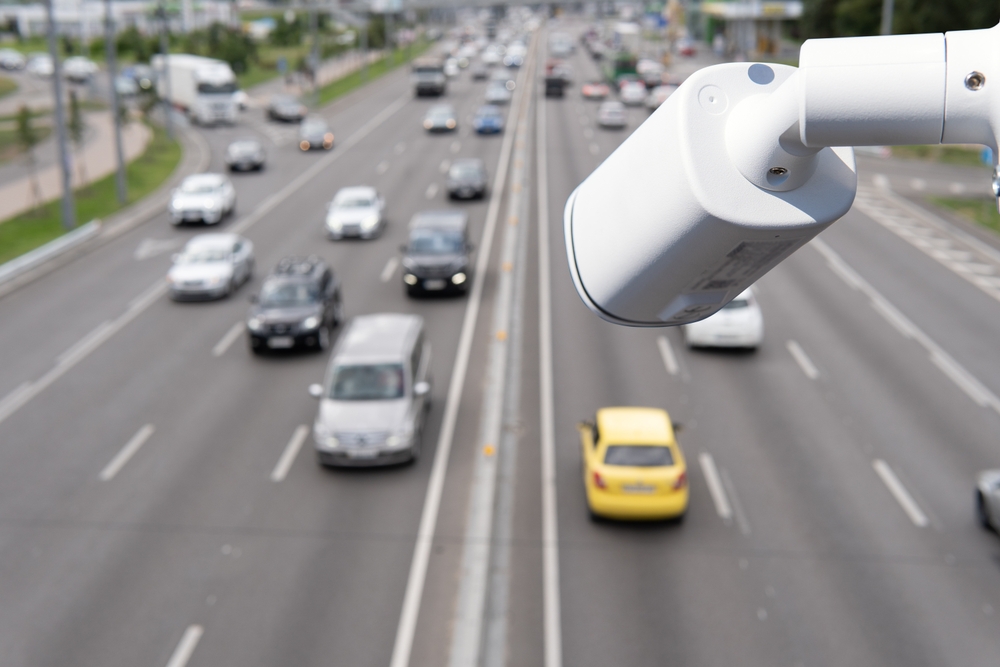
The most widely used method for checking number plates in the UK is Automatic Number Plate Recognition, commonly known as ANPR. This technology is used across police vehicles, fixed roadside cameras, and mobile enforcement units throughout the country.
When a vehicle passes an ANPR camera, the system photographs the number plate, converts the image into readable text using optical character recognition, and runs that text against several live databases simultaneously. The entire process takes a fraction of a second. The databases checked include the DVLA vehicle register, the Police National Computer, the Motor Insurance Database, and records of vehicles reported as stolen or of interest.
What this means in practice is that any vehicle can be checked as it passes a camera, without the driver being aware it has happened. If the system flags a vehicle, officers nearby are alerted and can act accordingly. ANPR also plays a role in identifying plates that are formatted incorrectly, since a plate that cannot be read reliably by the system is a flag in itself.
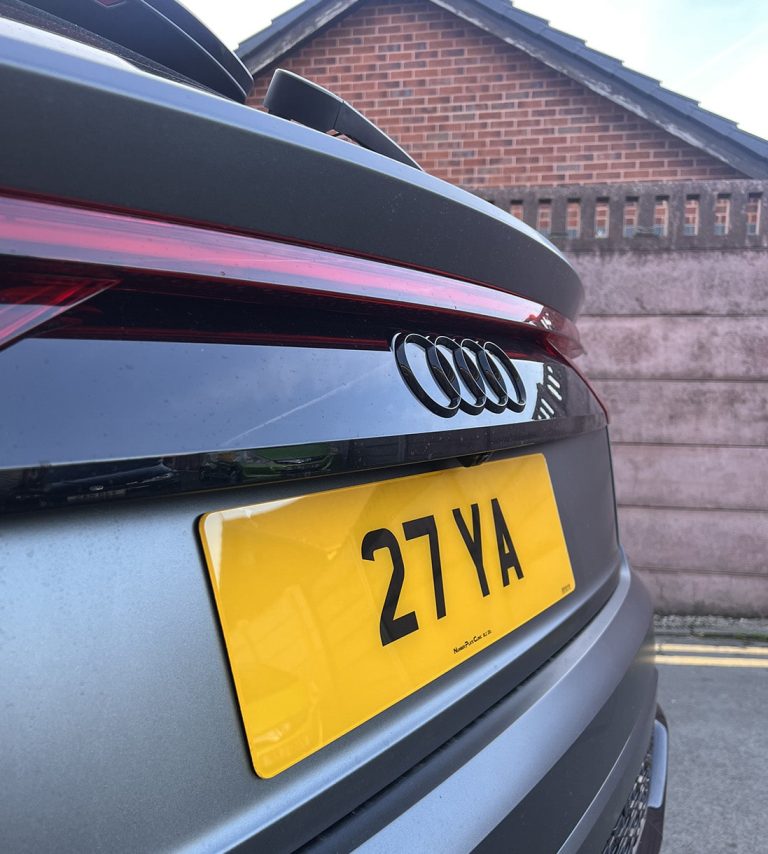
For plates to be read accurately by ANPR cameras, they must meet the precise character sizing, spacing, and reflectivity requirements set out under BS AU 145e. A plate that has been modified, uses a non-standard font, or has become faded or damaged will cause read errors. Our guide to faded number plates and the UK legal requirements explains where the compliance line sits for plates that have deteriorated over time.

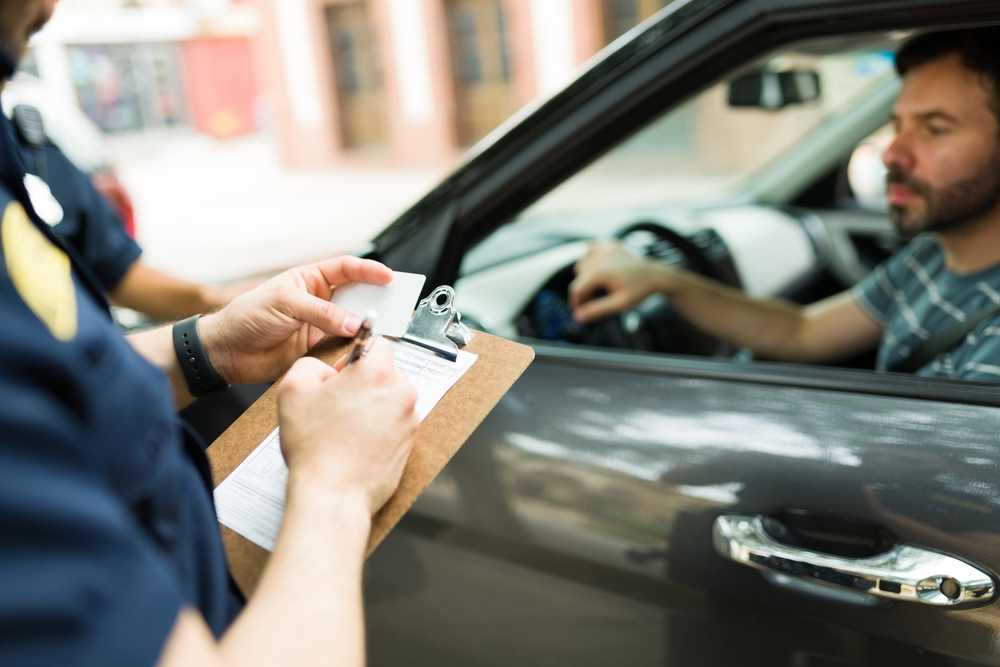
Alongside ANPR, police officers carry out manual inspections during routine stops and targeted enforcement activity. When an officer pulls a vehicle over, the number plate is one of the first things they will physically assess.
A manual check looks at several things. The officer will examine whether the plate uses the correct Charles Wright font, whether character sizing and spacing comply with DVLA standards, whether the plate carries the required British Standard mark and supplier details, and whether the reflective backing is intact and functioning. They may also check the physical condition of the plate for cracks, damage, or fading that affects legibility.
Officers can also request supporting documentation during a stop, including the V5C registration certificate, insurance documents, and a valid MOT certificate. These are used to confirm that the vehicle is correctly registered and that the plate matches the registered details. If the plate cannot be cross-referenced with the registered vehicle, that is treated as a serious concern.
Knowing what the regulations require makes it straightforward to assess whether your plates are road legal. There are several specific issues that can make a plate non-compliant:
Any one of these issues is sufficient to make a plate fail a legal check. The regulations apply equally to all plate styles. Whether you have 2D printed plates, 3D gel plates, or 4D plates, the same underlying legal requirements apply to all of them. Style does not override compliance.
Our breakdown of MOT regulations for number plates sets out the full technical requirements in plain terms and is a useful reference if you want to understand the specifics.
If a plate is found to be non-compliant during either an ANPR alert or a manual stop, the consequences are practical and immediate. Here is what drivers can face:
The insurance aspect is one that drivers often underestimate. An insurer can challenge a claim if the vehicle involved was displaying an illegal plate at the time of an incident. Our post on the impact of illegal plates on insurance covers this in detail and is worth reading if you are uncertain about your current plates.
It is also worth being aware that a missing front plate is treated as a separate offence rather than a minor oversight. Our guide on what happens if you drive without a front number plate explains the legal position clearly. Similarly, if your plates have failed an MOT and you are unsure why, our post on why number plates fail an MOT test walks through the most common reasons.
The good news is that staying compliant is entirely manageable. Plates sourced from a registered supplier and manufactured to BS AU 145e will meet every legal requirement from the moment they are fitted. The important thing is to check them periodically and replace them if they show signs of wear that affect legibility.
If you are looking to update your plates, Number Plate Clinic supplies the full range of road-legal formats. Standard square plates are available for vehicles where that format is required, and hex lambo style plates offer a distinctive look while remaining fully DVLA compliant. Every plate we produce carries the correct British Standard mark and is made to regulation.
If you have accessories to consider alongside your plates, our number plate accessories range covers fixings and surrounds that are compatible with compliant fitment.
One point worth clarifying for anyone who has enquired about show plates: show plates are not road legal and should never be fitted to a vehicle used on public roads. They are produced for display purposes only, such as at shows and events, and do not carry the markings required for road use.
Can ANPR read plates at high speed?
Yes. ANPR cameras are designed to capture plates accurately even on vehicles travelling at motorway speeds. The cameras operate continuously and process images in real time, so speed does not reduce the likelihood of a successful read.
Will a personalised plate be flagged by ANPR?
Not if it is displayed correctly. A personalised or private registration is held on the DVLA database in the same way as a standard registration. As long as the plate is formatted to legal standards and matches the registered details for the vehicle, it will not be flagged.
How often do police use ANPR?
ANPR cameras operate continuously across fixed sites and within most modern police vehicles. Every vehicle that passes a camera is checked automatically. It is a routine part of road policing rather than a targeted measure.
Do motorcycles have to comply with the same plate rules?
Yes, the same legal standards apply to motorcycles, though the rear plate size differs. All the same formatting, font, and material requirements apply. You can find fully compliant options in our motorcycle and bike plate range.
What should I do if I think my plates may not be compliant?
The simplest step is to compare your current plates against the requirements set out by the DVLA. If you are unsure, get in touch with us and we can advise you on whether a replacement is needed and which format is right for your vehicle.
Compliance does not need to be complicated. Every plate supplied by Number Plate Clinic is manufactured to BS AU 145e, produced by a registered supplier, and built to be read clearly by both ANPR systems and enforcement officers. If your current plates are overdue for a replacement, or if you simply want the reassurance of knowing your vehicle is road legal, browse our full range or get in touch with our team for straightforward advice.