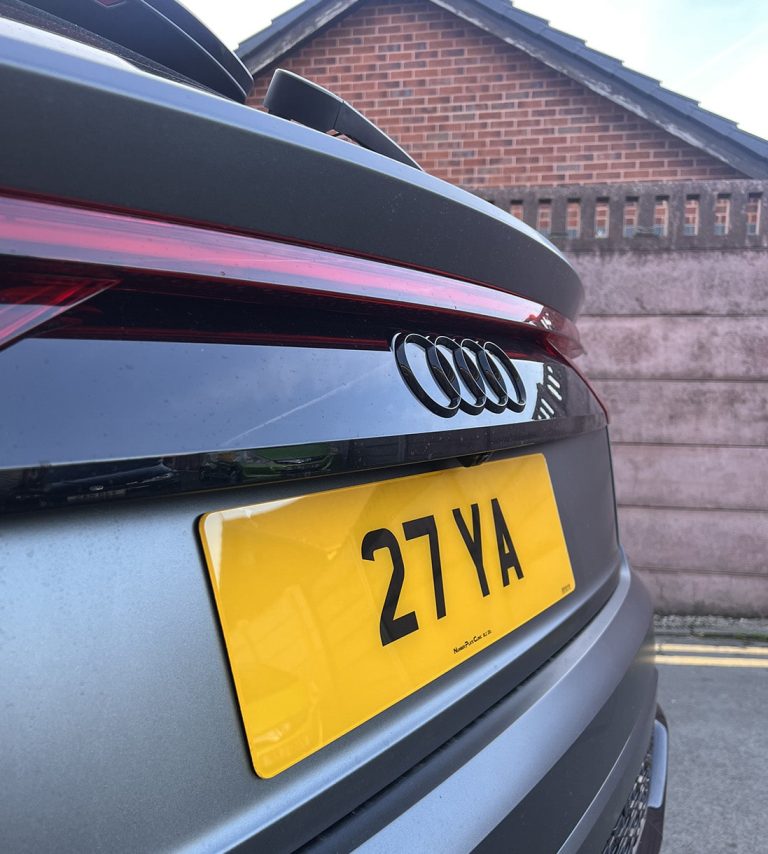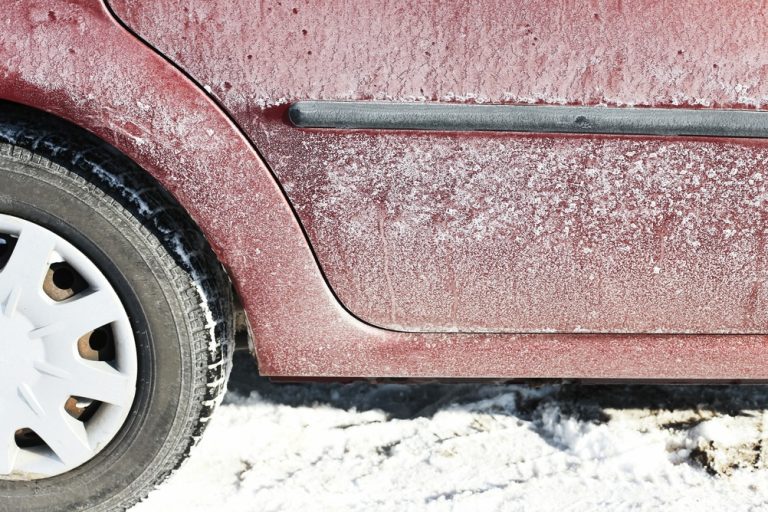

Many UK drivers don’t think twice about their number plates during winter or after a muddy country drive. Snow, slush, and road grime can quickly build up on vehicles, especially on rural routes or during cold weather. But when number plates get covered in dirt and debris, it begs the question, is it legal to drive if your registration plate is obscured by snow or mud?
The simple answer is that UK number plates legally must remain clearly visible and readable at all times. If snow, mud, or dirt prevent identification, you could face penalties. Understanding the rules can help you avoid fines, MOT issues, and complications with insurance.
In this guide, we explore what the legal requirements are, the penalties you might face, and the best ways to keep your plates compliant in difficult driving conditions.
For a full overview of UK number plate rules, you can also read the pillar guide on 4D plate legality.
Vehicle registration plates are not just a formality. They allow vehicles to be identified by police, speed cameras, parking systems, and other road enforcement technologies.
Under the Road Vehicles (Display of Registration Marks) Regulations, plates must always be clearly legible. This means the letters and numbers must be readable from a reasonable distance and not obstructed by dirt, snow, damage, or accessories.
If a number plate becomes covered, even unintentionally, it may still be considered illegal.
The rules for number plates in the UK include several key requirements:
If snow or mud prevents the plate from being read, you could be considered to be driving with an illegal plate.
This issue is also closely related to other compliance problems such as faded plates or damaged lettering. For example, if your plate is already worn, winter conditions can make it even harder to read. You can learn more in this guide on faded number plates and UK legal requirements.
Authorities rely on number plates for many purposes including:
If a plate is covered by mud or snow, these systems cannot identify the vehicle properly. That is why drivers are expected to check their plates regularly during winter driving.
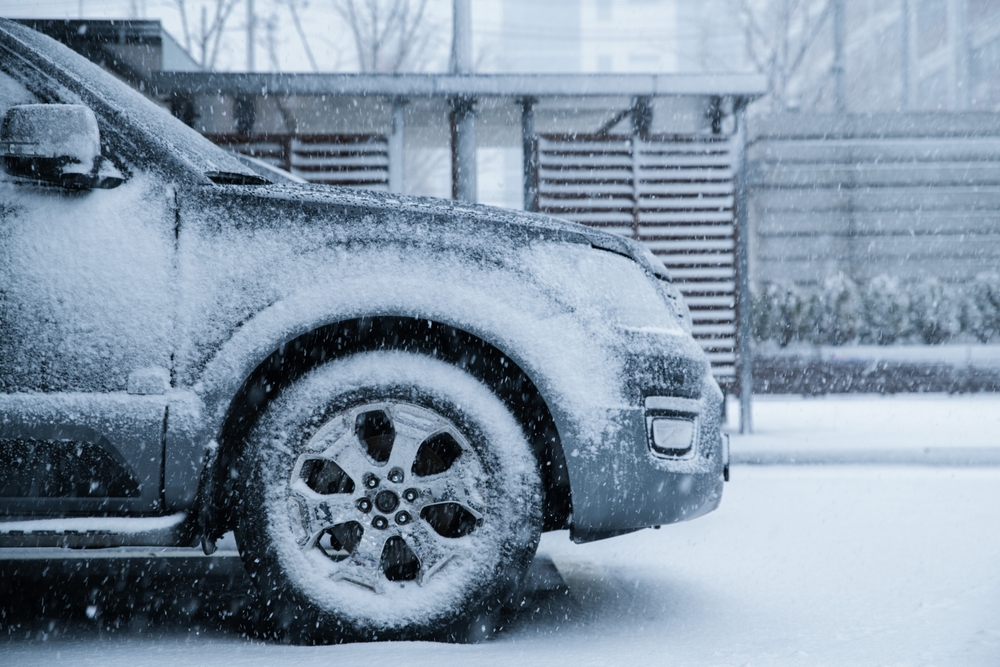
Yes, you can be fined if your number plate is not visible because of snow or mud.
Even if the obstruction is accidental, police may still treat it as a violation because drivers are responsible for ensuring their vehicle remains road-legal at all times.
Drivers caught with an obscured number plate could face:
Although fines are the most common consequence, repeated offences or deliberately obscured plates could result in further enforcement.
This is why keeping your plates clean is not just good practice but also a legal responsibility.
A vehicle’s registration plates are checked during the MOT test. If the tester cannot clearly read the plate due to damage, fading, or incorrect design, the vehicle may fail.
This can happen even if the plate itself is technically correct but difficult to read.
If you want to understand how plate condition affects MOT compliance, see why number plates fail an MOT testor read the full MOT regulations for number plates.
Most drivers do not intentionally hide their number plates. In many cases, poor weather or driving conditions are responsible.
However, because drivers remain responsible for their vehicles, it is important to recognise the situations where plates can quickly become unreadable.
Snow can accumulate on the rear of vehicles during heavy snowfall. This is especially common when snow sticks to wet surfaces or when vehicles have just been parked outside overnight.
Even a thin layer can make the characters difficult to identify.
Drivers should check both the front and rear plates before driving in winter conditions.
Driving through muddy roads, construction areas, or farmland routes can quickly coat the back of a vehicle with dirt.
Rear plates are particularly vulnerable because tyres throw mud backward as the vehicle moves.
Rural drivers often encounter this problem after rain or during agricultural seasons.
In winter, road salt mixes with slush and water to create dirty spray. This spray sticks to vehicles and can gradually obscure number plates during longer journeys.
Checking your plates when refuelling or taking breaks during long trips is a good habit.
The easiest way to avoid problems is to check your plates regularly and keep them clean.
Good maintenance ensures that your vehicle remains compliant with UK road regulations.
Drivers can reduce the risk of obscured plates by following a few practical steps.
Modern plate designs can also improve visibility. For example, 2D printed number plates provide clear lettering and are widely used on UK vehicles. Some drivers prefer 3D gel number plates or 4D plates because the raised characters can remain easier to read in certain lighting conditions.
A high-quality number plate can help ensure long-term compliance. Plates that use durable materials and clear character design are less likely to become unreadable.
Drivers have several options depending on their vehicle type and style preferences.
Most UK vehicles use standard reflective plates with black characters. These plates must follow strict regulations regarding font, spacing, and reflectivity.
Popular options include:
As long as they meet DVLA requirements, these styles can be fully road legal.
Some vehicles require alternative plate shapes or sizes.
Motorcycles use smaller plates, which you can find in the bike plates collection. Vehicles with non-standard mounting areas may need square number plates or specialised designs such as hex Lambo plates.
Choosing the correct plate style ensures both compliance and proper visibility.
Some drivers use decorative plates for exhibitions or car shows. These plates may include custom fonts or designs.
However, show plates are not always legal for use on public roads. Using them while driving could result in penalties if they do not meet DVLA standards.
Snow or mud is not the only issue that can affect number plate legality. Several other situations can lead to fines or MOT failures.
Vehicles in the UK must display both front and rear plates unless specifically exempt.
Driving without a front plate can result in enforcement action. You can read more in this guide on driving without a front number plate.
Some drivers attempt to customise plates in ways that break the rules. Examples include altered spacing, tinted covers, or non-standard fonts.
These modifications can make plates harder to read and may lead to penalties.
There are also potential insurance implications if your vehicle uses illegal plates. This topic is covered in detail in the impact of illegal plates on insurance.
Even legal plates can become problematic if they are not maintained.
Common issues include:
Drivers can avoid many of these problems by checking plates regularly and using proper number plate accessoriesto keep them securely mounted.
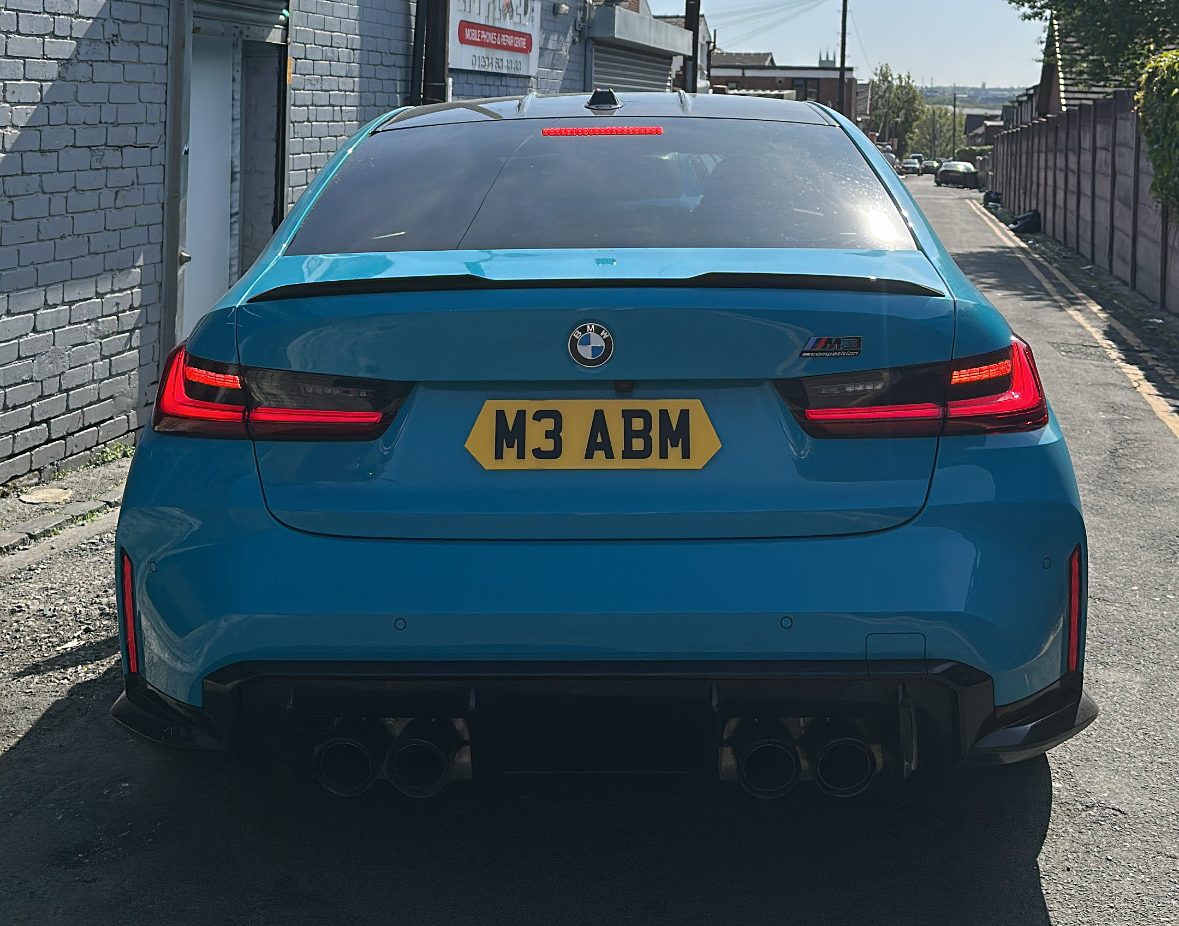
If a plate is damaged, faded, or difficult to read, replacement may be the safest option.
Replacing a worn plate is usually inexpensive and can help avoid fines or MOT failures.
Consider replacing your plate if you notice:
A fresh plate improves visibility and ensures compliance with current regulations.
Driving with a number plate covered in snow or mud may seem like a minor issue, but it can lead to legal consequences if the plate cannot be clearly read.
UK law requires that registration plates remain visible and legible at all times. Snow, dirt, or debris that obscures the plate could result in fines or MOT problems.
Regular checks and simple cleaning can prevent most issues. Ensuring that your vehicle uses high-quality, road-legal plates also makes it easier to stay compliant in all driving conditions.
If you need help choosing the right plate or replacing an old one, you can explore the full range of options available in the Number Plate Clinic collection or contact the team for advice.