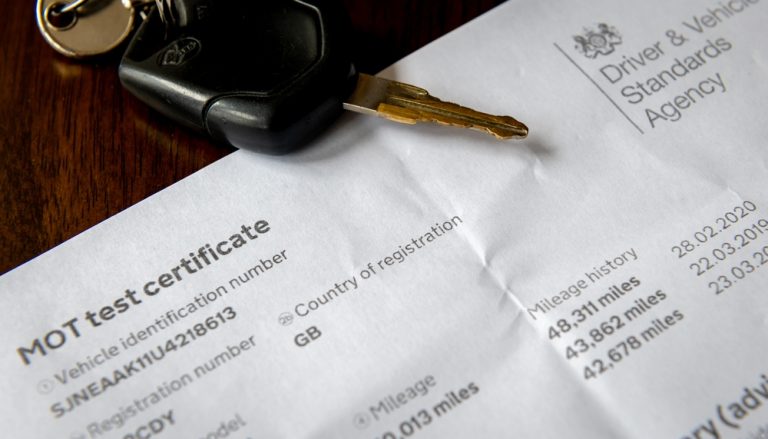


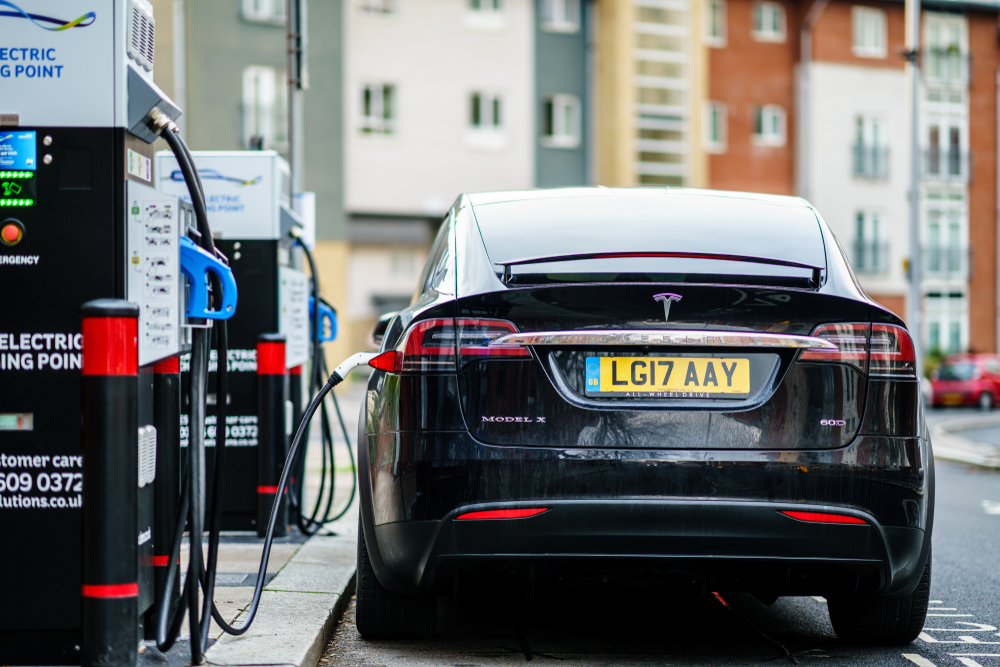
Electric vehicle ownership in the UK continues to grow, and many EV drivers want to personalise their cars while staying on the right side of the law. One popular upgrade is switching to 3D gel number plates, which offer a modern, raised letter design that looks sharp and stands out.
The simple answer is yes, 3D gel number plates are allowed on electric vehicles, provided they meet the same DVLA regulations that apply to all road legal plates in the UK. There are no special restrictions for EVs, and the rules around character size, spacing, reflectivity and materials apply equally whether your vehicle runs on electricity, petrol or diesel.
This guide explains what you need to know about fitting 3D gel plates to your electric vehicle, from legal compliance and ANPR readability to MOT considerations and buying advice.
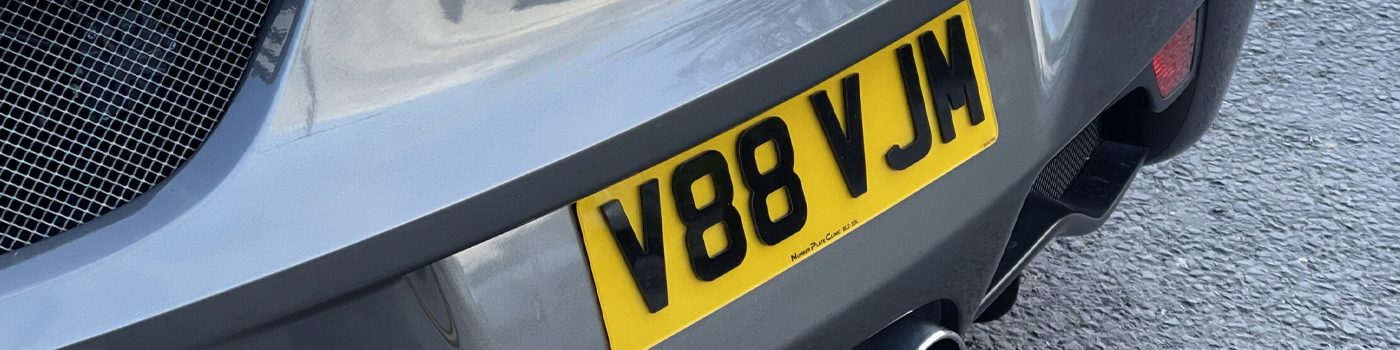
All number plates used on UK roads must comply with British Standard BS AU 145e and DVLA regulations. These rules exist to ensure plates are clear, legible and readable by automatic number plate recognition systems and traffic enforcement cameras.
The key requirements apply to every vehicle type, including electric cars. Characters must be a specific height and width, spaced correctly, and displayed in the prescribed Charles Wright font. The background must be white on the front plate and yellow on the rear, with black characters. Plates must also be reflective to ensure visibility at night.
3D gel number plates meet these standards when they are manufactured correctly. The raised gel resin characters sit on a compliant backing, maintaining the required dimensions and reflectivity. The construction method differs from traditional 2D printed number plates, but the end result is equally road legal.
It is worth noting that some decorative modifications are not allowed. For example, tinted covers, coloured backgrounds, custom fonts or anything that obscures the characters will fail an MOT and could result in a fine. Show plates are designed for off road display only and do not meet road legal standards.
For detailed guidance on what is and is not allowed, read more about DVLA regulations of 3D 4D number plates.
Some EV owners wonder whether the unique features of electric vehicles, such as regenerative braking systems, battery placement or advanced driver assistance technology, affect number plate regulations. The answer is no.
DVLA rules focus on the plate itself, not the type of vehicle it is fitted to. Whether you drive a Tesla Model 3, a Nissan Leaf or a hybrid Volvo, the same standards apply. The regulations are designed to ensure plates can be read by cameras, recognised by enforcement systems and checked by police officers, regardless of what powers the vehicle.
Electric vehicles do have a green flash on the left side of the plate to indicate zero emission status, introduced in 2020. This does not change the requirements for the rest of the plate. A compliant 3D gel plate with the green flash meets all legal requirements for an EV.
The only consideration specific to EVs is ensuring the plate does not interfere with charging port access, sensors or cameras. This is a practical fitting issue rather than a legal one, and applies equally to any plate type.
One concern raised by some EV owners is whether 3D gel plates work properly with automatic number plate recognition cameras. ANPR systems are used for toll roads, congestion charging, parking enforcement and speed cameras, so readability matters.
Quality 3D gel plates are designed to be ANPR compatible. The raised characters maintain the correct dimensions and spacing, and the reflective backing ensures the plate is visible to infrared cameras used in many ANPR systems. When made to British Standard specifications, there should be no recognition issues.
Problems tend to arise with poorly made plates that use incorrect fonts, improper spacing or non reflective materials. Plates that do not meet the regulations can fail to register on ANPR systems, leading to missed toll payments, parking fines or enforcement notices sent to the wrong address because the plate could not be read.
If you are concerned about ANPR performance, choose a registered supplier who guarantees compliance and uses approved materials. Reputable manufacturers test their plates to ensure they work correctly with camera systems before selling them.
The same principle applies to police ANPR vehicles and traffic cameras. A compliant 3D gel plate should be recognised just as reliably as a standard flat plate.
Number plates are checked during MOT tests, and a non compliant plate is an automatic failure. This applies to electric vehicles just as it does to conventional cars.
MOT testers look for several things when inspecting plates. Characters must be the correct size, clearly legible and properly spaced. The plate must be secure, clean and free from damage or excessive wear. Reflectivity is tested to ensure the plate is visible at night. Any tinting, covers or modifications that obscure the characters will result in a fail.
3D gel plates that meet British Standard BS AU 145e will pass an MOT without issue. The raised characters do not affect legibility or reflectivity when the plate is made properly. If anything, the robust construction of quality 3D gel plates means they are less likely to crack, fade or delaminate compared with cheaper alternatives, reducing the risk of MOT failure due to wear and tear.
If you are replacing an old or damaged plate before an MOT, it is worth investing in a quality product that will last. A plate that warps, fades or becomes illegible within a year or two is poor value and may cause you to fail future tests.
For more on the consequences of plate damage, see what to do if your number plate falls off in the UK and what happens if you drive without a front number plate.
Some EV owners ask whether they need to inform their insurer when fitting 3D gel number plates. The general answer is that it depends on your policy terms and how your insurer defines modifications.
Most insurers consider a direct like-for-like replacement of a standard plate with a compliant 3D gel plate to be routine maintenance rather than a modification. However, if your policy explicitly requires you to declare any changes to the vehicle’s appearance, it is best to notify them.
The key point is that the plate must be road legal. Fitting non compliant plates can invalidate your insurance, as you would be driving a vehicle that does not meet legal standards. This is why buying from a registered supplier who guarantees compliance is so important.
If in doubt, a quick call to your insurer will clarify whether you need to notify them. Most will have no issue with DVLA compliant plates, but it is better to check than to risk problems later.
For more guidance, read do I need to tell my insurer about my new 3D and 4D number plates.
Not all 3D gel plates are created equal. To ensure you are buying a road legal product, look for the following features.
DVLA compliance and British Standard certification are essential. The plate should meet BS AU 145e and display the manufacturer’s postcode, British Standard kitemark and supplier details. These marks prove the plate has been made to the correct specifications.
Approved materials matter. Quality plates use UV resistant gel resin for the characters and a rigid ABS backing for durability. Reflective sheeting must meet the required standards for visibility. Cheap plates often use inferior materials that fade, crack or lose reflectivity quickly.
Correct font and spacing are non negotiable. The Charles Wright font is the only legal option, and character dimensions and spacing are tightly defined. Reputable suppliers use precision cutting equipment to ensure accuracy.
Registered supplier status gives you confidence the product is legitimate. Registered suppliers are authorised to make and sell road legal plates and are held to DVLA standards. Buying from an unregistered seller increases the risk of receiving a non compliant product.
If you are comparing options, consider 4D laser cut acrylic plates as an alternative. Both 3D gel and 4D laser cut styles offer a premium look with excellent durability, and both are fully road legal when made correctly.
For specialist vehicles, options such as bike plates, square number plates or hex Lambo style plates may also be available, depending on your vehicle type and registration.
Fitting 3D gel number plates to an electric vehicle is straightforward, but there are a few practical considerations to keep in mind.
Start by checking the mounting area. Many EVs have smooth plastic or composite front panels rather than traditional metal grilles. Ensure the surface is clean, flat and dry before fitting. Use automotive grade adhesive pads or fixings designed for the material.
Be mindful of sensors and cameras. Modern EVs often have front radar, cameras for lane assist or parking sensors embedded in or near the bumper. Position the plate so it does not block or interfere with these systems. If in doubt, consult your vehicle handbook or ask a professional fitter.
Avoid over tightening screws, as this can crack the plate or damage the mounting surface. If using adhesive, allow it to cure fully before driving. Taking the time to fit the plate correctly will prevent it from coming loose or warping over time.
For step by step guidance, see how to remove and replace your 3D gel number plates safely. You may also find number plate accessories such as spacers or secure fixings helpful.
To understand how quality plates are made, read the manufacturing process behind 3D gel number plates.
In rare cases, an MOT tester or enforcement officer may question whether a 3D gel plate is compliant. This usually happens with poorly made or incorrectly fitted plates rather than quality products from registered suppliers.
If your plate is challenged, the first step is to provide proof of compliance. A receipt from a registered supplier showing the plate meets British Standard BS AU 145e is usually sufficient. If the plate has visible markings including the supplier’s postcode and British Standard kitemark, this also demonstrates compliance.
If an MOT tester fails your plate, ask for specific reasons. If the plate is genuinely non compliant, you will need to replace it. However, if the plate meets all legal requirements and the tester is mistaken, you can appeal the decision or seek a second opinion.
Enforcement officers can issue a fixed penalty notice or a prohibition notice if they believe your plate is illegal. Again, proof of compliance from a registered supplier can resolve the issue. Keeping your purchase receipt and any certification documents in your vehicle is good practice.
The best way to avoid problems is to buy from a reputable supplier in the first place. Registered suppliers understand the regulations and guarantee their products meet legal standards.
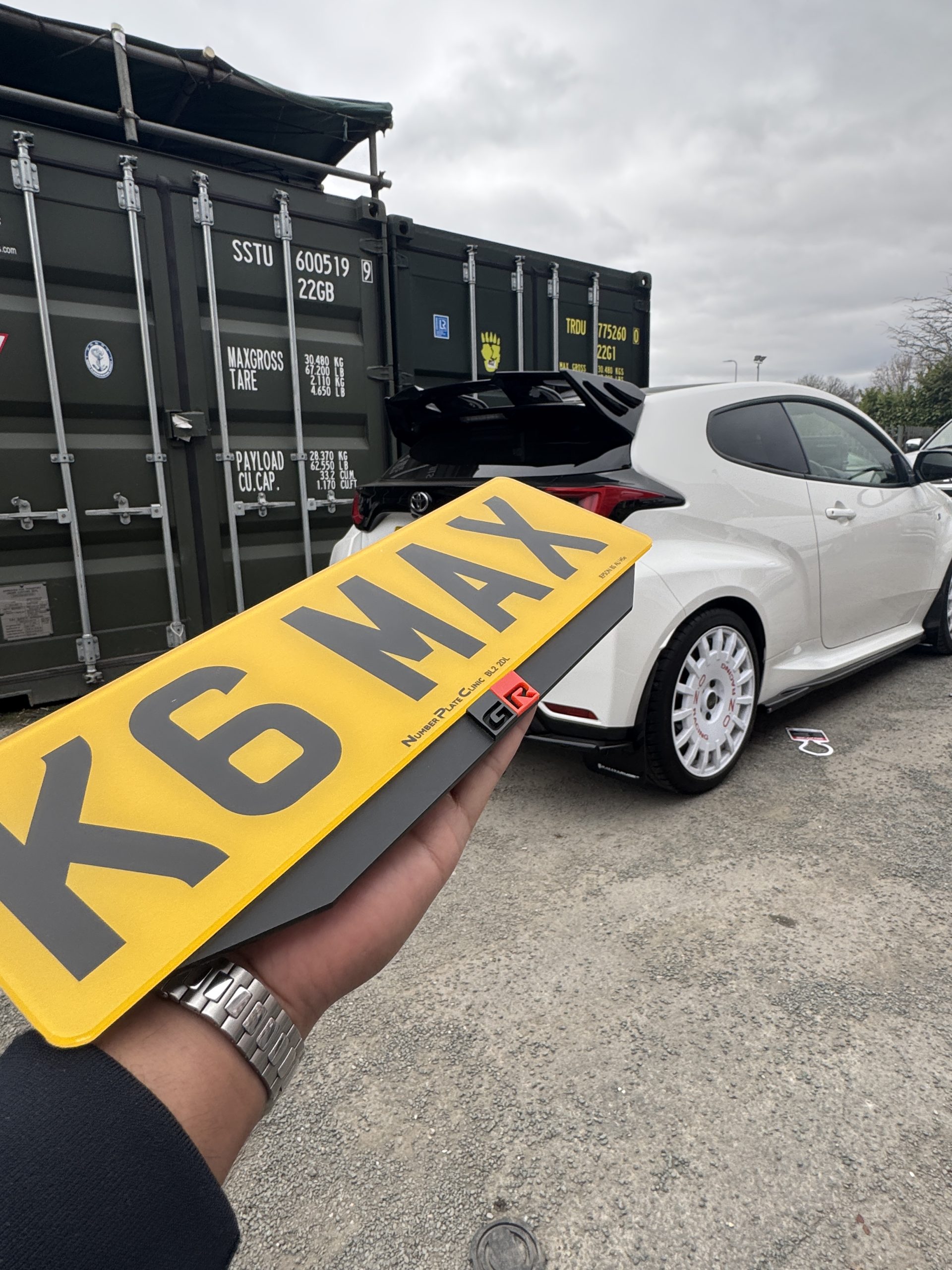
Many electric vehicle owners invest in personalised registrations to make their car truly unique. If you have purchased a cherished plate or dateless registration, displaying it on a quality 3D gel plate is a smart choice.
Personalised plates can be valuable, with some of the most expensive private number plates ever sold in the UK fetching hundreds of thousands of pounds. Protecting that investment with a durable, compliant plate makes sense.
Quality 3D gel plates resist fading, warping and damage far better than cheap alternatives, ensuring your registration looks sharp for years. The raised characters also give a distinctive, premium appearance that suits the modern aesthetic of electric vehicles.
Whether you drive a high spec EV with a prestige registration or a practical family car with a personalised plate, the same rules apply. The plate must be compliant, legible and properly fitted.
Quality 3D gel number plates are available throughout the UK, with registered suppliers offering expert advice and fast turnaround times. Local service can be particularly helpful if you want to see samples, discuss specific requirements or arrange professional fitting.
EV owners in Leicester, Coventry, Sheffield, Bradford, Northern Ireland, Belfast, Southampton, Nottingham, Edinburgh, Oldham, West London, Hull, Stoke on Trent, Shrewsbury, Blackpool and Doncaster can find trusted suppliers who understand local needs and can provide tailored advice.
Before purchasing or fitting 3D gel number plates to your electric vehicle, use this checklist to ensure compliance.
Check the supplier is registered with the DVLA and authorised to supply road legal plates. Look for their postcode and British Standard markings on the plate.
Verify the plate meets BS AU 145e and displays the correct font, character size and spacing. The background must be white at the front and yellow at the rear, with black characters.
Ensure reflectivity standards are met so the plate is visible to cameras and in low light conditions. Quality 3D gel plates use approved reflective backing.
Confirm the green flash is included if your vehicle is fully electric and qualifies for zero emission status. This should be positioned on the left side of the plate.
Inspect the plate for damage or defects before fitting. Cracks, fading or poor bonding will cause problems and may not be covered by warranty once installed.
Fit the plate securely without over tightening fixings or blocking sensors. Use appropriate adhesive or fixings for your vehicle type.
Keep proof of purchase and compliance documentation in your vehicle in case you are challenged by an MOT tester or enforcement officer.
Following these steps will give you confidence that your 3D gel number plates are fully legal and fit for purpose.
3D gel number plates are allowed on electric vehicles and are a popular choice for EV owners who want a modern, durable and compliant upgrade. The same DVLA regulations apply to all vehicles, regardless of their power source, so there are no special restrictions or requirements for electric cars.
The key to staying legal is buying from a registered supplier who guarantees compliance with British Standard BS AU 145e. Quality 3D gel plates offer excellent ANPR readability, pass MOT inspections without issue and provide long lasting durability that protects your investment.
Whether you drive a family EV with a standard registration or a high spec model with a personalised plate, choosing the right number plate supplier ensures you stay on the right side of the law while enjoying a premium look that suits your vehicle. If you have questions about compliance, fitting or specific requirements for your electric vehicle, contact us for expert guidance.

Extra 10% OFF on Sale Product
Use Code ‘Blog10’