

Owning an older car often means balancing originality with practicality. When your number plates need replacing, the question arises: should you invest in modern 4D plates, or will they look out of place on a vehicle with history? This guide will help you weigh up the pros and cons, navigate the legal requirements, and decide whether 4D plates make sense for your older car.
Quick summary: 4D plates are legal for older cars when DVLA compliant, offer excellent durability and can enhance appearance, but may not suit period correct restorations. Your decision depends on the car’s age, your ownership goals and whether you prioritise modern styling or authenticity.
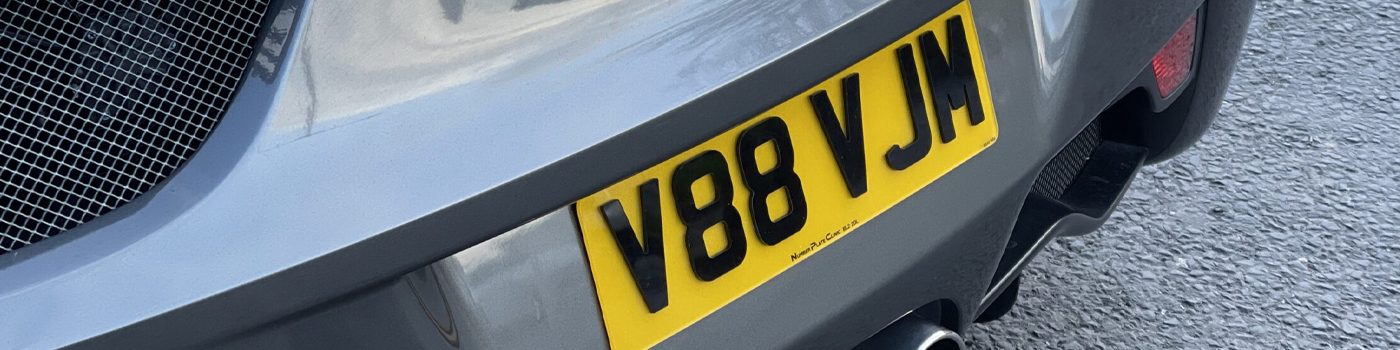
4D plates feature laser cut acrylic characters individually bonded to the backing plate. Each letter and number is precisely machined, creating a three dimensional effect with defined edges and depth. The result is a crisp, modern appearance that stands out without being flashy.
This differs from traditional 2D printed number plates, where characters are simply printed flat onto the surface. It also differs from 3D gel number plates, which use raised resin rather than solid acrylic. The construction method matters because it affects durability, compliance and how the plate ages, all particularly relevant for older vehicles that might be kept for decades.
When made by registered suppliers using approved materials, 4D plates meet British Standard requirements and are fully road legal. The question is whether they’re right for your particular older car.
Yes, provided they meet current DVLA standards. Understanding DVLA regulations of 3D 4D number plates is essential before making any purchase.
Regardless of your car’s age, all UK road vehicles must display number plates that comply with current regulations. This means the plate must show the correct font, proper spacing, approved reflective material, British Standard marking and supplier details. Age related plates must still meet these standards even though the registration format differs.
DVLA compliance checklist for older cars:
4D acrylic plates from registered suppliers meet these requirements. The three dimensional nature of the characters doesn’t affect legality. What matters is that they conform to the specifications above.
Some classic cars originally had metal pressed plates or older formats. Whilst you’re not legally required to match the original style, some purists prefer period correct replacements for authenticity.
There are several practical and aesthetic reasons why 4D plates can be an excellent choice for older vehicles.
Older cars often stay in families for years or even decades. You want plates that will last. Laser cut acrylic is highly resistant to weathering, UV damage and general wear. Unlike printed plates that can fade or gel plates where characters may eventually lift, quality 4D plates maintain their appearance for six years or longer with minimal maintenance.
If your older car sees regular use, daily commuting in Leicester, weekend drives through Shrewsbury, or annual rallies, this durability matters. You won’t need to replace plates as frequently, which saves money and hassle over the vehicle’s lifetime.
Older cars sometimes have number plates that have faded or become difficult to read, particularly if they’ve been on the vehicle for many years. Clear visibility isn’t just a legal requirement. It prevents issues during MOT tests and roadside checks.
The defined edges and depth of 4D characters improve readability in various lighting conditions. The science behind 4D plates and their interaction with speed cameras confirms they perform reliably with modern ANPR systems, which is increasingly important even for older vehicles sharing the road with newer technology.
A set of smart new plates can lift an older car’s appearance significantly without altering its essential character. Many owners find that 4D plates add a touch of quality and care that complements a well maintained older vehicle.
David, who owns a 1998 BMW E39, explained: “The car’s not a classic yet, but it’s old enough that tired plates made it look neglected. The 4D plates gave it a fresh, cared for appearance without looking like I was trying to modernise something that should stay original. They just look neat and well made.”
Let’s address when 4D plates might not be the right choice for your older vehicle.
If you own a genuine classic undergoing period correct restoration, a 1960s sports car or a pre war vintage vehicle, modern 4D plates will look anachronistic. Pressed aluminium or traditionally made plates better suit such cars, even though modern regulations still apply to the format and content.
Many classic car shows and concours events judge authenticity, and modern style plates can cost points. If you’re aiming for period accuracy, traditional plate styles are the better choice.
For particularly rare or investment grade classics, originality affects value. Whilst number plates are easily changed, some buyers of high value classics prefer vehicles that look entirely period appropriate.
That said, plates are a simple swap. You can fit 4D plates for daily driving and switch to traditional styles for shows or sale if needed. The key is ensuring whatever you fit is road legal and doesn’t damage original mounting points.
You should tell your insurer about new 3D and 4D number plates. For most modern insurers this is straightforward and rarely affects premiums. However, some classic car insurance policies have strict modification clauses. Check your policy wording before making changes.
4D plates typically cost more upfront than basic 2D printed alternatives. For older cars that might be driven less frequently, you might question whether the investment makes sense.
Consider the lifespan. A quality 4D plate can easily last six to eight years or longer, even on a car that sees regular use. Basic printed plates might need replacing every three to four years as printing fades or the backing deteriorates.
Example calculation:
The difference is minimal when spread over time, and you gain better durability and appearance throughout. If you plan to keep the car long term, 4D plates offer good value.
For vehicles driven occasionally or kept as investments, the durability still matters. Plates left outdoors deteriorate whether the car is driven or not. UV damage, temperature cycles and weathering don’t stop just because the car is stationary.
Older cars can present fitting challenges that newer vehicles don’t.
Many older cars use different mounting methods: screw holes in different positions, clips that have corroded, or non standard spacing. Quality 4D plates come with standard fitting holes, but you may need appropriate fixings or adaptors.
If your car has unusual mounting, mention this when ordering. Suppliers can often accommodate non standard requirements, or you may need number plate accessories such as stick on pads or adjustable brackets.
Whilst standard UK plates are a consistent size, some older cars, particularly imports or vehicles with custom mounting, may need non standard dimensions. Square number plates or other specialist formats are available and can be made as 4D versions.
Classic motorcycles present their own considerations. Bike plates are also available in 4D styles for riders wanting modern durability on older machines.
Fitting plates to older vehicles requires care:
If you’re uncertain about fitting, many local garages or specialists in Coventry, Edinburgh and Belfast will fit plates as part of a service or for a small fee.

Margaret owns a 2003 Honda Civic that’s covered 180,000 miles. “I wasn’t sure about spending extra on 4D plates for an older car, but the original plates were looking tatty and I wanted it to look cared for. The 4D plates have been on for three years now and still look perfect. They suit the car well, modern enough to look smart, but not overstated.”
James restored a 1992 Ford Escort RS Cosworth. “It’s not a concours car, it’s a driver. I wanted plates that would handle motorway miles and wet weather without fading. The 4D plates have been brilliant. They still look sharp after two years of regular use, and they’ve never caused any comments at shows. People focus on the car, not the plates, which is exactly what you want.”
Richard fitted 4D plates to his 1975 MGB and later regretted it: “They looked too modern. The car deserves period style plates, even though it meant more frequent replacement. I switched back to pressed aluminium within six months. The 4D plates were good quality, just wrong for that particular car.”
These experiences highlight an important truth: the right choice depends on your specific car and goals.
4D plates are likely a good choice if:
Consider alternatives if:
If you’ve decided 4D plates make sense for your older car, the process is straightforward. You’ll need proof of entitlement to the registration, typically your V5C logbook, and valid ID. Registered suppliers must verify these before making plates, which protects against fraud and cloned number plates.
Quality matters, particularly for plates that will be on a cherished older vehicle for years. Look for suppliers who clearly state their compliance credentials, use approved materials and offer warranties. If you’re in Sheffield, Nottingham or Doncaster, we can help with advice tailored to your vehicle.
Remember to inform your insurer once plates are fitted. It’s usually a quick phone call that keeps your policy valid.
The age of your car shouldn’t dictate whether you can have quality number plates. 4D plates offer genuine benefits for many older vehicles: durability, visibility and a refreshed appearance. They’re not right for every situation, particularly period correct restorations, but for the majority of older cars in regular use they represent a practical, long lasting choice.
You can browse options online or contact us for personalised advice. Your older car deserves plates that reflect the care you put into it.
Further reading:
Extra 10% OFF on Sale Product
Use Code ‘Blog10’