

If you’re restoring a classic car, researching number plate options, or simply curious about the different types of registration plates available in the UK, you might have come across pressed metal plates and wondered how they fit into the 2D vs 3D plate categories. It’s a fair question—especially when you’re trying to achieve an authentic period look while staying on the right side of the law.
The short answer is that pressed metal plates occupy their own category. While they share some characteristics with modern 2D printed number plates, they’re manufactured using a completely different process and have distinct legal considerations. In this guide, we’ll explain what pressed metal plates are, how they compare to other plate types, when they’re appropriate to use, and what you need to know about compliance.
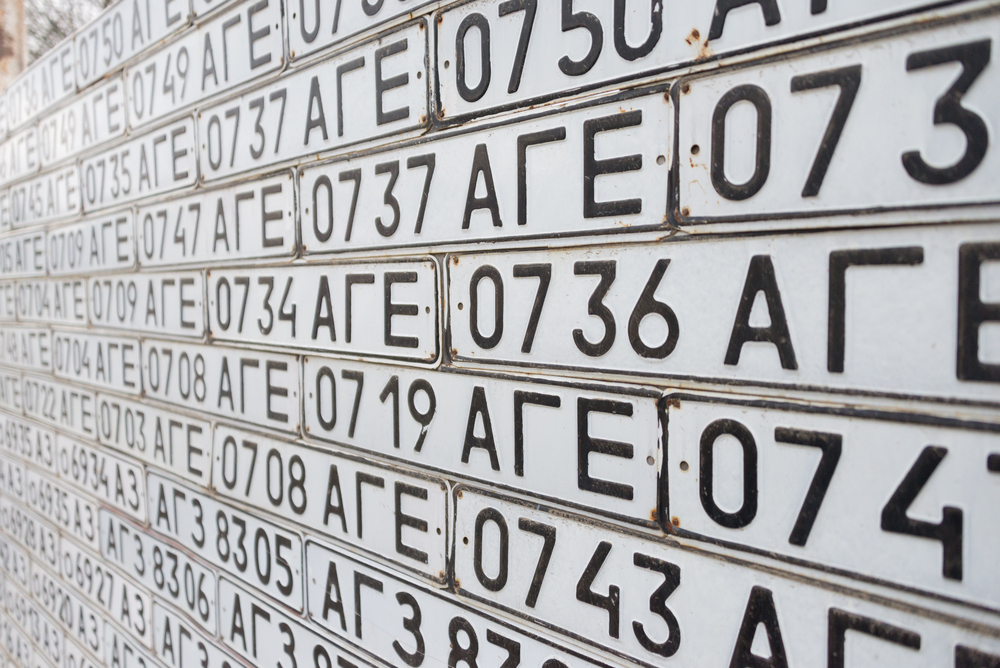
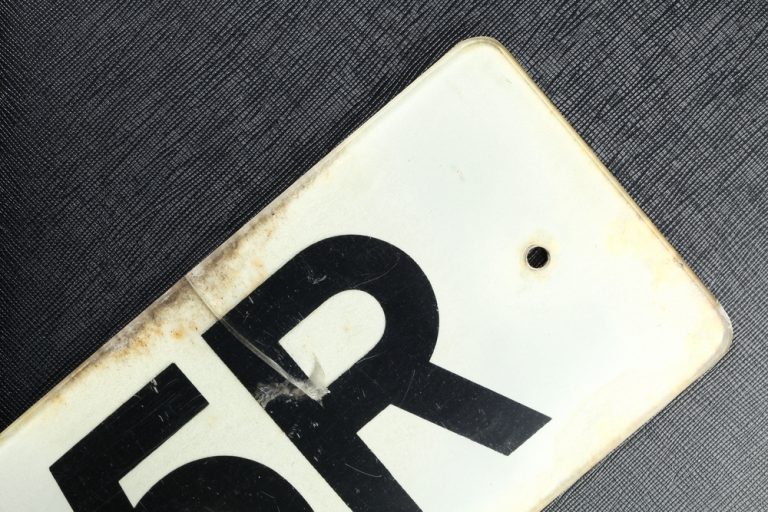
Pressed metal plates—sometimes called embossed or stamped plates—are manufactured by pressing or stamping characters into a sheet of aluminium or steel. The process creates raised (embossed) letters and numbers that stand proud of the plate surface, giving a tactile, three-dimensional feel.
This manufacturing method was the standard in the UK for decades, particularly before the widespread adoption of acrylic materials in the 1970s and 1980s. If you’ve ever seen vintage photographs of British vehicles from the 1950s, 60s, or early 70s, the plates you’re looking at are almost certainly pressed metal.
The embossed characters are typically painted in black (for rear plates) or filled with reflective material to meet visibility requirements. The plate background is coated with retroreflective material—usually a reflective film or paint—to ensure the registration can be read in headlight beams at night.
Unlike modern 2D plates explained here, which use digital printing, or 3D gel plates with acrylic letters bonded to the surface, pressed metal plates are monolithic—the characters and backing are formed from a single piece of material.
Technically, no. Here’s why:
When we talk about 2D number plates in the modern context, we’re referring to flat, digitally printed plates where characters are created using specialist inks applied directly to a retroreflective acrylic or polycarbonate base. The characters have no physical depth—they’re purely visual, printed on the surface.
Pressed metal plates, by contrast, feature characters that are physically raised or recessed depending on which side of the plate you’re viewing. This gives them a textured, embossed finish that you can feel with your fingers.
3D gel plates use separate acrylic letters that are bonded onto a flat backing plate, creating pronounced depth and a glossy, raised appearance.
So while pressed metal plates don’t have the same bold, gel-resin characters as modern 3D plates, they’re not flat-printed like contemporary 2D plates either. They sit in their own category: embossed metal plates with physical depth created through mechanical pressing rather than applied materials or printing.
That said, from a distance or in photographs, pressed metal plates can appear relatively flat compared to chunky 3D gel plates—which is why the confusion sometimes arises.
Understanding whether pressed metal plates are legal for road use in the UK requires looking at current regulations and how older plates are treated.
All number plates displayed on vehicles used on public roads in the UK must meet the requirements set out in current British Standards. As of now, the relevant standard is BS AU 145e, which specifies materials, dimensions, character sizing, spacing, reflectivity, and durability.
Modern pressed metal plates can be manufactured to meet BS AU 145e if they:
In practice, most pressed metal plates you’ll encounter today are either reproduction plates for classic vehicles or show plates intended for off-road display. Not all pressed metal plates currently available meet the full British Standard—it depends on the manufacturer and the materials used.
One key compliance point for pressed metal plates is reflectivity. Current regulations require number plates to be retroreflective, meaning they reflect light back towards its source (such as vehicle headlights) to remain visible at night.
Older pressed metal plates often used painted characters and reflective coatings that may have degraded over time. Modern reproductions typically use reflective films or coatings engineered to meet current standards, but it’s essential to verify this before fitting.
Characters must also be clear and legible. The embossed nature of pressed plates can sometimes create shadows in certain lighting conditions, so reflectivity becomes even more important for nighttime visibility.
Pressed metal plates are most commonly associated with classic and historic vehicles, where owners want to maintain period-correct authenticity. A beautifully restored 1960s Jaguar or Morris Minor looks more authentic with embossed aluminium plates than modern acrylic ones.
For vehicles registered before certain dates, there may be some flexibility in plate style, though current regulations still apply unless specific exemptions exist. If you’re restoring a classic car and want that vintage aesthetic, pressed metal reproduction plates can deliver the look—provided they meet British Standard requirements for road use.
Some owners choose pressed metal plates as show plates for exhibitions, car shows, or static display, where compliance with road-use regulations isn’t required.
While less common, pressed metal plates can be fitted to modern vehicles if they meet current British Standards. Some motorists prefer the distinctive, slightly retro appearance, or appreciate the perceived durability of metal over acrylic.
However, for everyday use on contemporary cars, most people opt for modern 2D printed number plates or 3D gel plates, which offer:
If you’re considering pressed metal plates for a modern vehicle, it’s worth discussing your needs with a knowledgeable supplier who can confirm compliance and suitability.
To help you understand the differences, here’s how pressed metal plates compare to other common formats:
Pressed Metal Plates:
2D Printed Plates:
3D Gel Plates:
For most drivers seeking a straightforward, compliant solution, modern 2D or 3D plates are the go-to choice. Pressed metal plates appeal to those prioritising authenticity, heritage, or a specific aesthetic.
If you have a vehicle with a shorter registration, you might also consider short number plates, which can be made in 2D, 3D, or (in some cases) pressed metal formats.
Before fitting pressed metal plates to your vehicle, run through this compliance checklist:
If your pressed metal plates are intended for show or display use only (not road use), they don’t need to meet these standards—but they must not be fitted to a vehicle on public roads. For display purposes, you can explore our range of show plates.
For specialist formats like hex Lambo-style plates, compliance becomes even more critical, and you should always seek supplier confirmation before purchasing.
If you do choose pressed metal plates, a bit of care will keep them looking sharp and ensure they remain compliant:
For general advice on what to do if a plate becomes damaged or detached, see our guide on what to do if your number plate falls off.
Can I fit vintage pressed metal plates to my classic car?
It depends. If the plates meet current British Standards for reflectivity, dimensions, and materials, they can be road-legal. Many vintage plates don’t meet modern standards and should only be used for display. Check with a registered supplier or consult DVLA guidance.
Are pressed metal plates more durable than acrylic?
In some ways, yes—metal can withstand impacts that might crack acrylic. However, metal plates can corrode over time, especially in salty or wet conditions, whereas quality acrylic plates resist corrosion and UV damage effectively.
Do pressed metal plates cost more than 2D printed plates?
Generally, yes. The embossing process and use of metal materials typically make pressed plates more expensive than standard printed acrylic plates. Pricing varies by supplier and specification.
Can I order pressed metal plates for a motorcycle?
Yes, provided they meet the specific dimension requirements for motorcycle number plates (64mm character height). Not all suppliers offer pressed metal in motorcycle sizes, so check availability.
If you’ve decided pressed metal plates are right for your vehicle, the next step is finding a registered supplier who can manufacture them to British Standards. Look for suppliers who:
At Number Plate Clinic, we specialise in compliant number plates across all formats. Whether you need traditional pressed metal for a classic restoration, modern 2D printed plates for everyday use, or bespoke solutions for unique vehicles, we’re here to help.
You can search for your registration and explore options in our shop, or get in touch if you need specific advice about pressed metal plates or any other format.
We also offer a range of number plate accessories to help you fit and maintain your plates properly, regardless of style.
So, are pressed metal plates classed as 2D plates? Not exactly—they’re a distinct category with their own manufacturing process and aesthetic. While they don’t fit neatly into the modern 2D vs 3D classification, they remain a popular choice for classic vehicle enthusiasts and anyone seeking that vintage, embossed look.
The key is ensuring any pressed metal plates you fit meet current British Standards for road use. Whether you’re restoring a cherished classic or simply prefer the traditional appearance, compliance should always come first. Done right, pressed metal plates can deliver authenticity, durability, and a unique character that sets your vehicle apart.
If you’re unsure which plate type best suits your needs, our team can guide you through the options and help you make an informed decision. After all, the right number plate should look great, last for years, and keep you fully road-legal with complete confidence.
Extra 10% OFF on Sale Product
Use Code ‘Blog10’