


You’re driving home after work when you notice blue lights in your rear-view mirror. A police officer signals you to pull over, walks around your vehicle, and begins examining your number plates closely. Your heart sinks—have roadside plate checks become the new normal?
The short answer is yes, random roadside number plate checks are becoming noticeably more common across the UK. Between enhanced ANPR technology, increased police resources dedicated to traffic enforcement, and a crackdown on non-compliant plates, motorists are far more likely to be stopped and questioned about their registration marks than even five years ago.
Understanding why this is happening, who has the authority to check your plates, and how to respond calmly can transform a potentially stressful encounter into a routine interaction. Let’s examine the evidence, your rights, and the practical steps you should take.
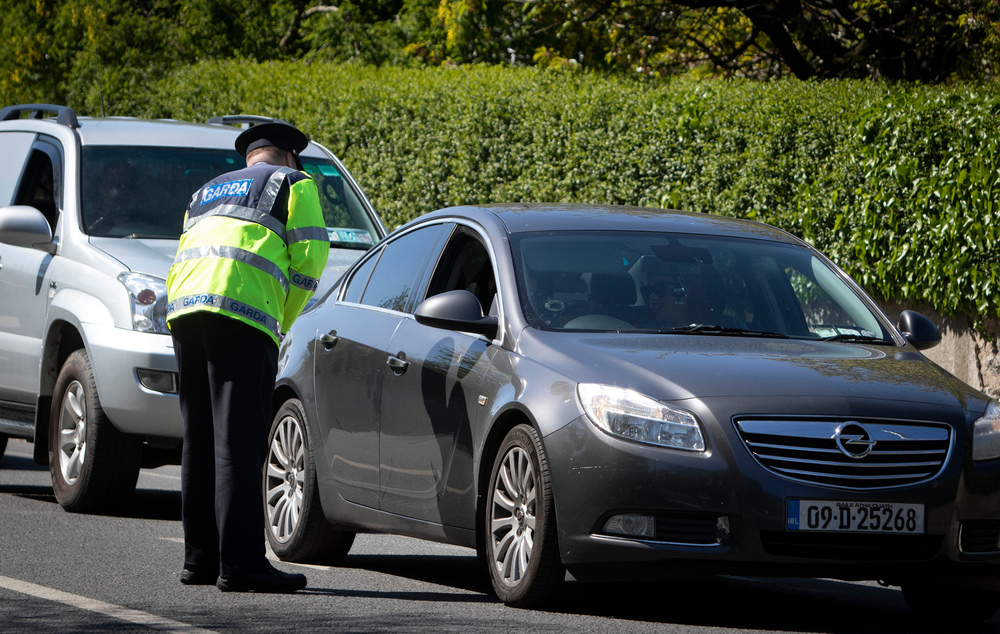
Several factors have converged to make roadside plate checks a higher priority for UK enforcement agencies.
Automatic Number Plate Recognition (ANPR) cameras now blanket Britain’s road network. Police forces operate mobile ANPR units in marked and unmarked vehicles, scanning thousands of plates hourly against databases including the Motor Insurance Database, DVLA records, and lists of vehicles linked to criminal activity. When the system flags a vehicle—whether for insurance issues, tax violations, or suspected cloning—officers receive instant alerts prompting roadside stops.
According to the National Police Chiefs’ Council, ANPR checks have increased by approximately 40% since 2018. The technology has become sophisticated enough to detect not just missing or incorrect registrations but also non-compliant plates that fail to meet DVLA standards. This includes plates with altered spacing, non-standard fonts, tinted covers, and obscured characters—precisely the modifications that many motorists assume are minor cosmetic changes.
Operation Snap initiatives, which allow members of the public to submit dashcam footage of traffic violations, have expanded dramatically. While these programmes initially focused on dangerous driving, they increasingly capture vehicles with illegal plates. Police forces review submissions and can issue penalties or initiate roadside checks based on this citizen-generated evidence.
During the pandemic, routine traffic enforcement dipped significantly. Since 2022, police forces have ramped up operations to address the backlog, with number plate compliance becoming a visible, easily enforceable priority. Unlike investigating complex crimes, checking plates requires minimal resources and generates revenue through fixed penalty notices—making it attractive to forces facing budget constraints.
MOT regulations for number plates tightened in 2018, introducing automatic failures for previously overlooked issues like incorrect spacing and faded number plates. This legislative shift has heightened overall awareness among enforcement agencies, prompting more frequent roadside checks to complement MOT testing.
Understanding who can legally stop and inspect your vehicle matters enormously during a roadside encounter.
Police officers possess the broadest powers. Under Section 163 of the Road Traffic Act 1988, any police officer in uniform can require you to stop your vehicle. They need no reasonable suspicion—the power is absolute. Officers can examine your number plates, request documentation, and issue fixed penalty notices for non-compliance.
Traffic officers routinely conduct spot checks as part of standard patrols. Specialist roads policing units increasingly target modified plates, particularly during high-visibility operations around major events, holiday periods, and in areas with high volumes of personalised registrations.
DVLA enforcement officers work alongside police during joint operations, particularly targeting untaxed vehicles and registration fraud. While DVLA officers cannot independently stop vehicles, they frequently accompany police on roadside checks, providing technical expertise about number plate legality and registration irregularities.
These joint operations have become more common since 2020, with quarterly campaigns focusing on specific regions or vehicle types. If you’re stopped during such an operation, expect thorough scrutiny of your plates’ compliance with British Standard BS AU 145e.
In specific circumstances, Vehicle and Operator Services Agency (VOSA) examiners can inspect commercial vehicles and coaches. Trading Standards officers may investigate businesses manufacturing or selling illegal plates, though they rarely conduct random roadside stops of private vehicles.
Knowing what to expect reduces anxiety and helps you respond appropriately.
When signalled to stop, indicate clearly and pull over safely at the earliest opportunity. Remain in your vehicle unless instructed otherwise, switch off the engine, and keep your hands visible. Officers will typically approach, identify themselves, and explain why you’ve been stopped.
For plate-specific stops, the officer will visually inspect your front and rear plates, checking for compliance with DVLA standards. They’re looking for proper spacing (11mm between characters, 33mm between groups), correct font (Charles Wright), appropriate colours (white front, yellow rear), and the presence of the BS AU 145e marking and registered supplier details.
The most frequently cited violations include tinted or smoked covers that reduce reflectivity, altered spacing designed to create words or phrases, non-standard fonts or stylised characters, missing or incorrect supplier information, and plates that are cracked, faded, or illegible. Even legally purchased 4D plates, 3D gel number plates, or hex lambo plates can attract attention if characters have deteriorated or if the design doesn’t fully comply with current regulations.
Officers may photograph your plates for evidence, particularly if issuing a fixed penalty notice or Vehicle Defect Rectification Notice.
You must stop when directed by a uniformed police officer—failure to do so constitutes an offence carrying penalties including fines and penalty points. You must provide your name, address, date of birth, and details of the registered keeper if requested. However, you are not obliged to answer questions beyond basic identification, and you have the right to remain silent regarding other matters.
If you believe your plates are compliant and the officer disagrees, remain polite and cooperative. Ask for the specific regulation you’re allegedly breaching and request the officer’s collar number and station. You can challenge any penalty through official appeals processes, but roadside arguments rarely help your case.
Understanding the potential outcomes helps you assess risk and prioritise compliance.
For non-compliant plates, officers typically issue a £100 fixed penalty notice. This is the standard fine for displaying plates that breach DVLA regulations, and it can be issued on the spot. Some forces offer seven-day rectification notices instead, allowing you to fit compliant replacements and provide proof before penalties apply.
If your plates are severely defective—illegible, missing, or dangerously obscured—you may receive a prohibition notice preventing you from driving the vehicle until defects are corrected. What happens if you drive without a front number plate includes potential vehicle seizure in serious cases.
As we’ve explored elsewhere, the impact of illegal plates on insurance can be severe. If you’re involved in an accident while displaying non-compliant plates, insurers may reduce or refuse claims, arguing you failed to disclose a material fact affecting risk.
In extreme cases—plates deliberately altered to avoid speed cameras or ANPR detection—you may face prosecution for attempting to pervert the course of justice. This is a serious criminal offence carrying potential imprisonment, not merely a traffic violation.
Roadside plate checks are not uniformly distributed across the UK.
Metropolitan areas, particularly Greater London, Manchester, Birmingham, and Glasgow, see the most frequent checks. These regions combine dense ANPR coverage with higher volumes of modified and personalised plates, creating both more opportunities and greater incentives for enforcement.
Motorways and major trunk roads receive intensive ANPR monitoring, with mobile units often positioned at strategic junctions and service areas. If you’re travelling long distances, expect higher scrutiny.
Rural forces conduct fewer random stops but often run targeted operations during agricultural shows, classic car events, and tourist seasons when modified vehicles congregate. These operations specifically target show plates being used illegally on public roads and non-compliant modifications on enthusiast vehicles.
Prevention remains simpler and cheaper than dealing with penalties.
Examine your current plates against DVLA standards. Are characters in the correct Charles Wright font? Is spacing precisely 11mm between letters and 33mm between groups? Are plates white at the front and yellow at the rear? Is the BS AU 145e marking visible along with supplier details?
If any element fails, replace your plates immediately. Reputable suppliers like Number Plate Clinic guarantee DVLA compliance across all products, whether you choose 2D printed number plates, 3D gel designs, or 4D raised character styles.
Are smoked or tinted number plates legal under UK law? The answer is definitively no. Remove any covers, tinting, or accessories that reduce reflectivity or obscure characters. Even if marketed as “legal” by sellers, enforcement officers follow DVLA standards, not retail claims.
If you need number plate accessories for aesthetic purposes, choose options explicitly designed to comply with regulations—for example, compliant frames that don’t obscure any part of the registration.
Plates that are cracked, faded, or loose fail compliance checks. If you’re experiencing issues like why your number plate keeps falling off, address fixings immediately. Loose plates can obscure themselves or fall off entirely, creating both safety and legal risks.
For vehicles with personalised registrations, ensure plates reflect the current registered mark. If you’re planning a number plate transfer, update physical plates promptly—driving with outdated registrations creates confusion during ANPR checks and guarantees roadside stops.
Motorcyclists should verify their bike plates meet size requirements (smaller dimensions are permitted but must still comply with spacing and font rules). Imported vehicles may qualify for square number plates if specific criteria are met, but this requires proper documentation.
Classic car owners often ask can you use stick-on plates for classic cars—the answer depends on the vehicle’s age and specific exemptions. If unsure whether you qualify for any exemption, seek specialist advice before fitting non-standard plates.
Practical guidance for the moment you see those blue lights.
During the stop:
After the stop:
If you believe the stop was unjustified:
All evidence suggests roadside plate checks will become even more common. The Home Office has announced additional funding for roads policing, ANPR networks continue expanding, and public support for traffic enforcement remains strong following increased awareness of road safety issues.
For motorists, this trend underscores the importance of proactive compliance. Can you make your own number plate and register it? Technically yes, but only registered suppliers can legally manufacture plates—attempting DIY solutions risks both penalties and safety issues.
If you’re considering reserving a future number plate or purchasing a personalised registration, ensure any physical plates you commission meet current standards. The investment in a legal, professionally manufactured plate protects you from roadside stops, penalties, and insurance complications.
Random roadside plate checks are undeniably becoming more frequent, driven by technology, legislative changes, and enforcement priorities. Rather than viewing this trend with anxiety, consider it an opportunity to verify your compliance and avoid easily preventable penalties.
The vast majority of motorists with properly manufactured, correctly fitted, and well-maintained plates will never face issues during roadside checks. By choosing compliant products from reputable suppliers, conducting regular visual inspections, and understanding your rights during stops, you can drive confidently knowing you meet all legal requirements.
Stay informed, stay compliant, and stay calm—roadside checks need not be stressful when you know you’re on the right side of the law.
Extra 10% OFF on Sale Product
Use Code ‘Blog10’