

If you’ve invested in 4D plates for your vehicle, you’ll want them to look their best and stay within the law. But what happens when road grime, winter salt or everyday dirt builds up?
The short answer is yes, it can. A heavily soiled plate may prevent automatic number plate recognition (ANPR) cameras from capturing your details correctly. This could lead to fines, parking issues or even being pulled over by police.
Fortunately, the fix is often straightforward. In this guide, we’ll explain how ANPR systems work, why 4D acrylic plates behave differently, and give you practical steps to keep yours clean, compliant and camera ready.
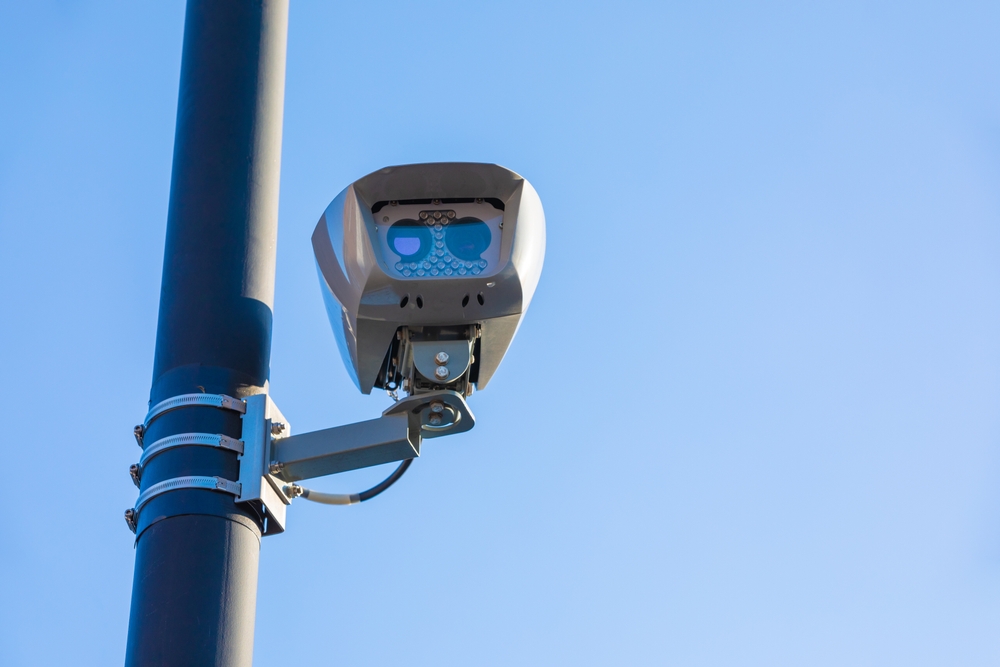
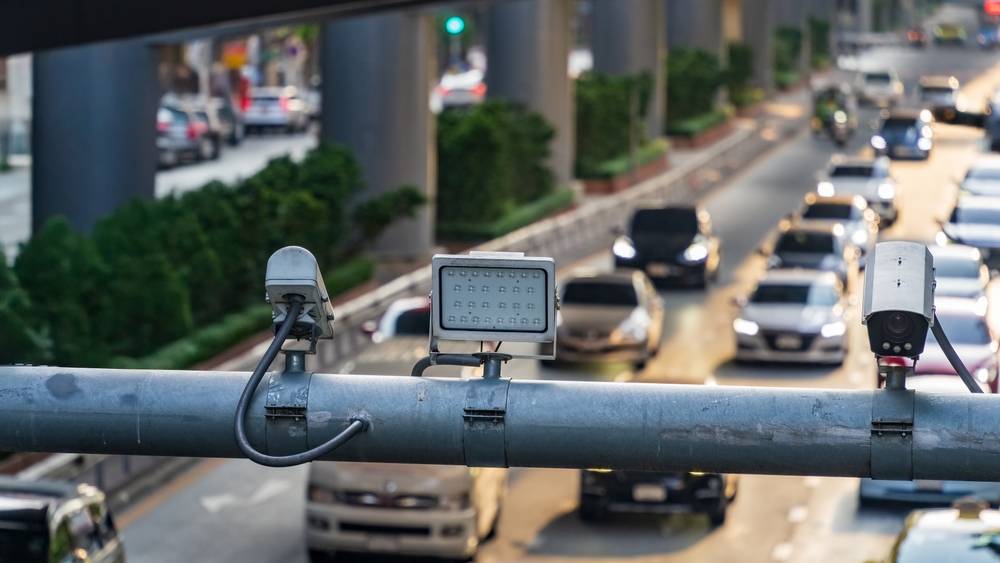
ANPR cameras are used across the UK for traffic enforcement, parking management, congestion zones and security. These cameras rely on optical character recognition software to identify the registration mark on your vehicle as you pass.
Here’s what they need to work properly:
When dirt, mud or road film covers your plate, it can reduce reflectivity, obscure characters or blur the contrast the camera needs. Even a thin layer of grime can cause a misread, especially if the camera is angled or lighting conditions are challenging.
Modern ANPR systems are sophisticated, but they’re not infallible. If your plate isn’t clearly visible, the system may fail to log your vehicle or worse, log it incorrectly.
Understanding the science behind 4D plates and their interaction with speed cameras can help you appreciate why cleanliness matters.
Unlike traditional 2D printed plates or 3D gel plates, 4D plates feature laser cut acrylic characters that are raised and three dimensional. This gives them a premium, modern appearance and excellent durability.
However, the raised surface also means dirt can settle in the grooves around each character, creating shadows or reducing definition. Road spray and grime may cling to the textured edges more readily than on a flat surface.
When manufactured to British Standard, 4D plates are designed to be highly reflective and meet all DVLA regulations for 3D and 4D number plates. But that compliance depends on the plate remaining clean and legible.
A dirty 4D plate loses some of its reflective properties, making it harder for cameras and human eyes to read your registration quickly.
The reflective backing on a compliant number plate is engineered to bounce light back toward its source. This is why your plates glow in headlights or camera flashes.
When dirt covers this surface, it scatters or absorbs the light instead, reducing the plate’s visibility. For ANPR cameras that rely on infrared or flash assisted capture, this can be the difference between a successful read and a failed one.
So, how much dirt is too much? In practice, it depends on the type of contamination and how it interacts with the camera system.
Road grime and mud: Thick layers can completely obscure characters. Even partial covering may confuse the recognition software, especially if it obscures the spacing between letters or numbers.
Winter salt and spray: Road salt can leave a white, crusty residue that reduces contrast. In areas with heavy winter gritting, plates can become coated in a film that looks clean from a distance but significantly impairs reflectivity.
Oil and fuel residue: Diesel splashes or oil mist can create a glossy film that reflects light unevenly, causing glare spots that interfere with camera optics.
Dirt in character grooves: Because 4D plates have raised edges, dirt can accumulate around the base of each letter or number. This creates a halo effect that blurs the character outline.
Even a light covering of road dirt can reduce plate reflectivity by up to 30%. Heavy soiling can make a plate completely unreadable to automated systems.
For drivers, this means you could pass through a camera zone without being logged or be flagged for having an obscured plate, which carries a potential fine of up to £1,000 and three penalty points.
If you’re wondering how 4D plates perform in low light conditions, cleanliness plays a major role.
Most dirty plates can be restored to full readability with a quick clean. Here’s how to do it safely.
Step by step cleaning:
For stubborn residues like tar or tree sap, a dedicated tar remover designed for automotive use is safe for acrylic plates. Always test on a small area first.
If you’re considering whether 4D plates are better than gel plates in winter, regular cleaning becomes even more important during colder months.
Sometimes, cleaning isn’t enough. You should consider replacing your plates if the reflective backing is damaged or peeling, characters are cracked or faded, scratches obscure the registration, or the plate no longer meets legal standards.
A plate that’s damaged beyond repair won’t just fail ANPR cameras. It could also lead to an MOT failure or roadside penalty.
If you’re unsure whether your plates are still compliant, our guide on how to check if your 4D plates are insurance compliant offers a helpful checklist.
Once your plates are clean, a few simple habits can keep them that way for longer.
Quick prevention tips:
If you’re concerned about whether 4D plates are affected by road salt in winter, regular rinsing after gritting season will help protect both the acrylic and the reflective backing.

UK law is clear: your number plates must be kept clean and legible at all times. According to the DVLA and the Highway Code, it’s your responsibility as the vehicle keeper to ensure your registration mark can be read easily, day or night.
Driving with an obscured or unreadable plate is an offence under the Road Vehicles (Display of Registration Marks) Regulations 2001. Penalties can include a £1,000 fine and three points on your licence.
The law doesn’t specify how often you must clean your plates, but the standard is simple: if a camera or a person can’t read your registration from a reasonable distance, you’re not compliant.
For company car drivers, it’s worth checking whether 4D plates are allowed on company cars and understanding your responsibilities for plate maintenance.
If you’re worried about enforcement, remember that police can stop you for an obscured plate just as they would for driving without a front number plate.
Dirty 4D plates absolutely can affect camera readability, but the solution is usually quick and straightforward. A few minutes with warm water and a sponge will restore your plate’s reflectivity and keep you compliant.
If your plates are damaged or no longer meet legal standards, replacing them is the safest option. Whether you need road legal 4D acrylic plates, show plates, bike plates or accessories, we’re here to help.
For more advice on plate care or choosing the right style, including square plates and hex Lambo plates, feel free to get in touch.
Keep your plates clean, stay compliant and drive with confidence.
Extra 10% OFF on Sale Product
Use Code ‘Blog10’