


[vc_row][vc_column][vc_column_text]If your number plate has come loose or fallen off entirely, you’re probably wondering: Can I reattach a number plate myself? The short answer is yes, but there are a few caveats that you should be made aware of. If you’re dealing with a standard reg plate, upgrading to a premium 3D number plate, or fitting a bespoke hex plate, doing it yourself is achievable with the right tools, knowledge and attention to detail.
This guide walks you through the subtle art of reattaching number plates, from legal compliance to choosing between adhesive pads or screws. No matter how handy you are, we’ll help you make an informed decision that will help you get back on the road.
Yes, it is perfectly legal to reattach or replace your number plate yourself. If you want to make sure everything is above board, you must follow UK government rules for number plate visibility, spacing and ensure the plate is safely attached. If you’re looking to replace a broken front plate or fit a new 4D plate to hammer home aesthetic appeal, the fitting process must ensure the plate is:
DIY installation is legal as long as you meet these criteria. However, plates that aren’t fixed securely or are incorrectly positioned can fail an MOT. If you manage to drive without a front plate, chances are you’ll be served with a hefty fine. For more on this, check out what happens if you drive without a front number plate.
 Torrential weather, freak accidents and a deer in the headlights – there are many ways that your number plate can be compromised. There are various scenarios where you might need to refit a number plate:
In most cases, correct reattachment ensures your plate is legally compliant, weather-resistant and securely mounted. If you’re second-guessing yourself, it’s worth getting in touch with a business that knows number plates inside and out.
DIY fitting isn’t rocket science, but if you’re a DIY-phobe, here are the common mistakes you’ll need to be aware of:
If you don’t trust yourself to hit all the marks and have a plate that complies, seek a professional to help reapply your plate. If you are confident, what tools will you need?
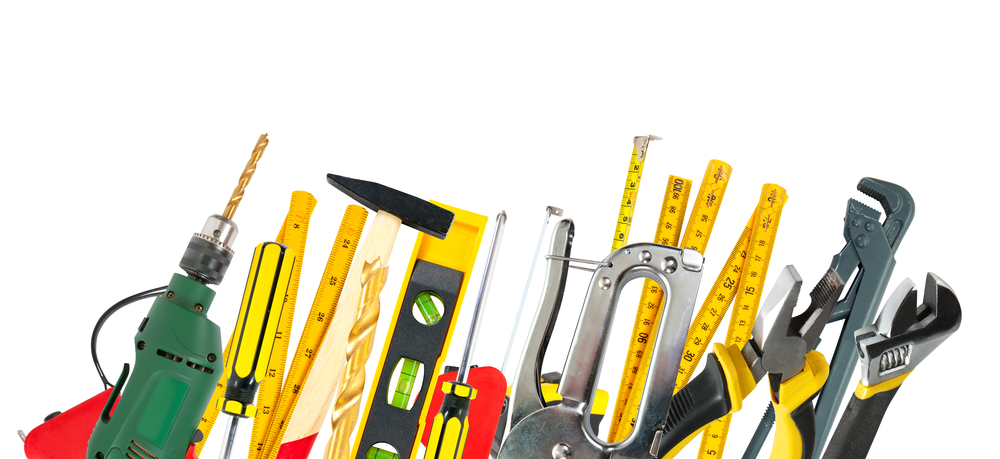 Before getting ahead of yourself, it’s important to understand what tools and materials you’ll need to get the job done:
You can order fit kits directly from Number Plate Clinic, making the fitting process simple, quick and efficient.
Both methods are perfectly legal, but the best choice depends on your vehicle, environment and personal preference.
| Method | Pros | Cons |
| Adhesive Pads | Quick to apply, no tools required and offers a clean look | May fail in extreme cold/wet, not ideal for curved surfaces |
| Screws | Very secure and reliable in all types of weather | Requires drilling, not as aesthetically pleasing |
If you’re installing on a curved bumper or live in an area with lots of rain and frost, screws offer longer-lasting peace of mind. However, adhesive pads are perfect for flat surfaces and those wanting to avoid visible hardware, especially for plates like 4D styles, where aesthetics are king.
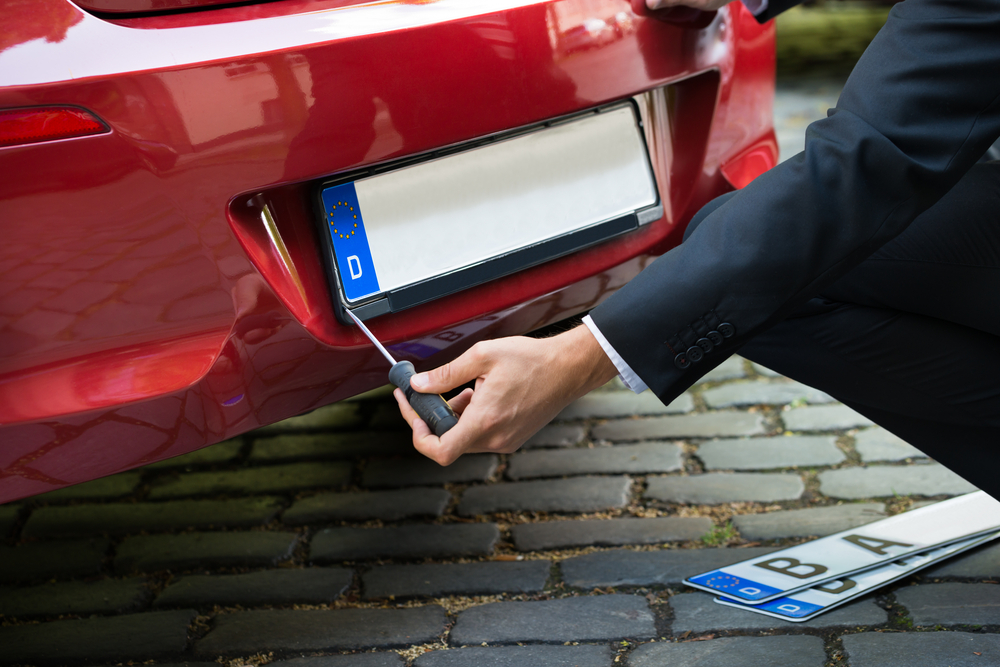 If you’re a DIY veteran or looking to become more handy, you’ll need to understand the step-by-step process.
Step 1: Clean the Surface
Use a degreasing cleaner and microfibre cloth to wipe the bumper area where the plate will sit. Dirt and moisture will compromise both screws and adhesives.
Step 2: Prepare Your Plate
Peel the backing off the adhesive pads and apply evenly to the reverse of the plate. If using screws, align the holes on your number plate with those on the bumper or drill new pilot holes if needed.
Step 3: Measure and Align
Use a spirit level or tape measure to ensure the plate is centred and level. It should be positioned within the standard DVLA-compliant area.
Step 4: Mount the Plate
Step 5: Test the Fixing
Give the plate a gentle tug to check the security of the plate. If it moves, readjustment is needed.
Now that you know the fundamentals, what are the best ways to make sure that this doesn’t happen again?
Once fitted, number plates need occasional care to stay roadworthy and MOT-compliant.
Maintenance Tips:
Plates from Number Plate Clinic are built to stand the test of time, regardless of design. Despite this, regular checks must be carried out to ensure they go the distance.
While DIY fitting is doable for many, there are situations where professional fitting is the smarter route:
Our expert team offers fast, secure fittings for every plate type, from sleek 2D plates to eye-catching 4D plates. You can also request our adhesive pads, screw kits or mounting tools when ordering your plate from our accessories section.
For any questions or help, contact us, and our team will assist with product advice, legal guidance, and installation options.
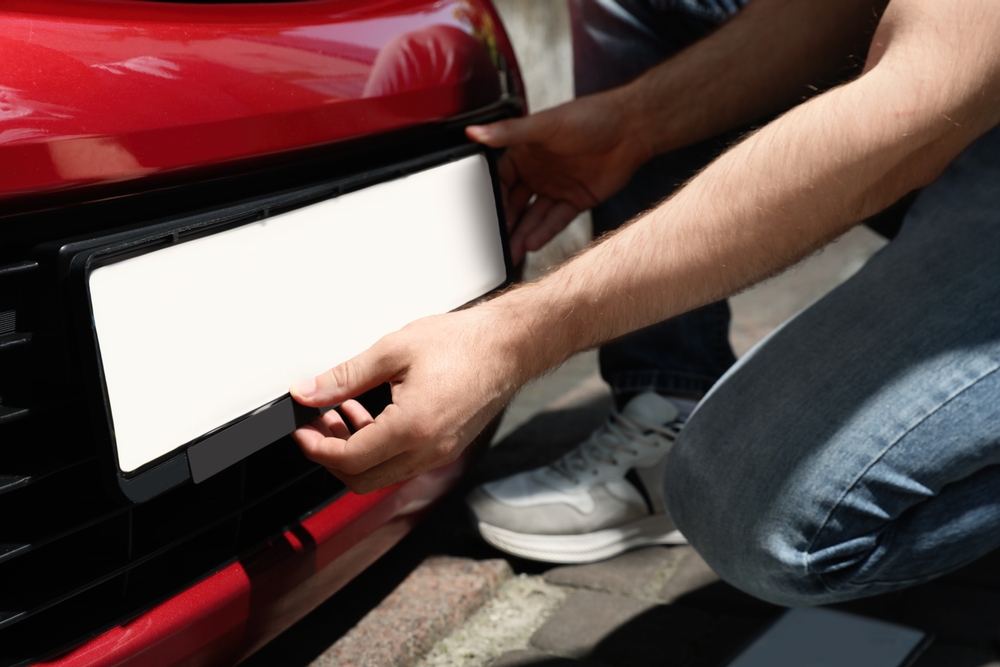 So, can you reattach a number plate yourself? Absolutely. With the right tools and know-how, it’s a quick job that most UK drivers can handle at home. Just be sure to clean the area thoroughly, use the correct fixings, and double-check that your plate is straight, secure and compliant. Receiving a fine for an ill-fitted plate isn’t a great look.
If you’re fitting new plates or repairing old ones, Number Plate Clinic offers everything you need to get the job done, from ready-to-fit show plates to secure mounting kits.
Want a secure, hassle-free fit? Order your number plates with a fitting kit or book professional installation at Number Plate Clinic today.
[/vc_column_text][/vc_column][/vc_row]