

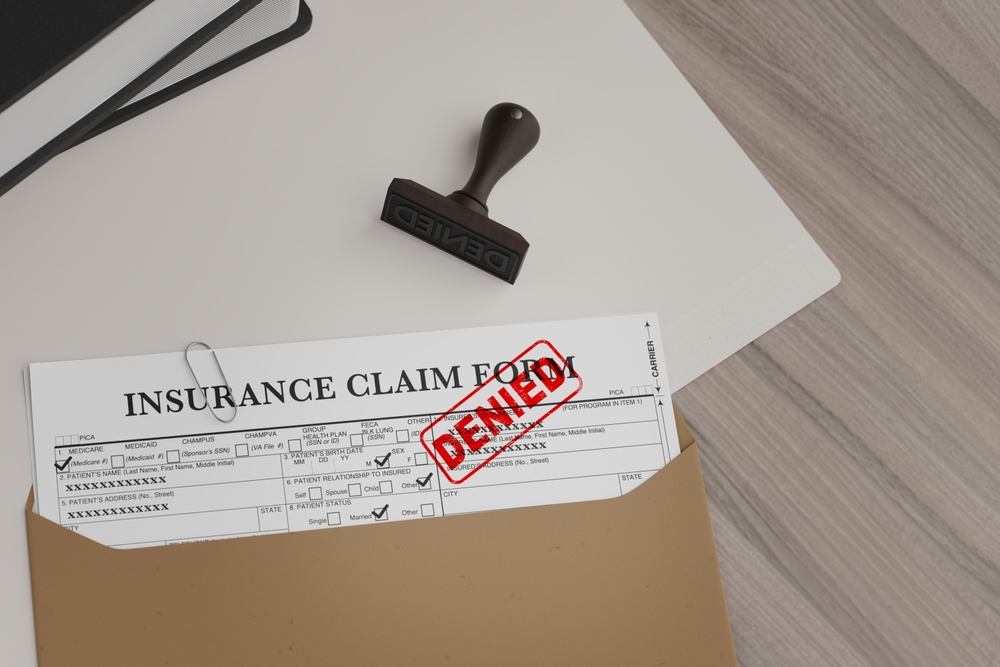
Picture this: you’ve been involved in an accident, and your insurer informs you that your claim might be reduced or even refused because of your aftermarket number plates. It’s a scenario that leaves many UK motorists feeling both confused and anxious. The short answer is yes, insurers can refuse claims over plate modifications in certain circumstances, but the detail matters enormously.
Understanding when and why this happens—and what you can do about it—can save you thousands of pounds and considerable stress. Let’s explore the legal framework, the insurer’s perspective, and your practical options if you find yourself in this position.

Insurance policies require you to disclose all “material facts” that might influence an insurer’s decision to offer cover or set your premium. A material fact is any information that would affect the insurer’s assessment of risk. When it comes to plate modifications, the critical question is whether your changes constitute a material fact that you failed to disclose.
The DVLA maintains strict standards for number plate legality in the UK. Legal plates must display characters in the prescribed Charles Wright font, maintain correct spacing (11mm between characters, 33mm between groups), and meet reflectivity standards. Plates must have a white front and yellow rear, with black characters only.
Common modifications that breach DVLA rules include tinted or smoked covers, altered spacing, non-standard fonts, incorrect sizing, and obscured or faded characters. If your plates don’t comply with these regulations, you’re technically driving illegally—and this is where insurance complications begin.
The Insurance Act 2015 reformed how insurers handle non-disclosure. You must make a “fair presentation of the risk,” which means disclosing every material circumstance you know or should know. Crucially, the insurer can only refuse a claim if they can demonstrate they would not have offered cover at all had they known about the modification, or would have offered it on significantly different terms.
For deliberate or reckless non-disclosure of illegal plate modifications, insurers may void your policy entirely. For careless non-disclosure, the remedy is proportionate: if the insurer would have charged 20% more premium had they known, they might reduce your claim payout by 20%.
Not all plate modifications carry equal risk. Understanding the hierarchy helps you assess your vulnerability.
Plates that render registration marks illegible or difficult to read present the greatest danger. This includes heavily tinted covers, altered spacing that changes how the registration appears to cameras, and deliberately obscured plates designed to avoid speed cameras or congestion charges. Obscured plates suggest intentional tampering, and insurers may argue you’re attempting to evade detection—a clear material fact.
If ANPR cameras cannot read your plates, or if police have previously issued warnings or fines, insurers have strong grounds to refuse claims. The logic is straightforward: if authorities cannot identify your vehicle in the event of an accident or crime, you’ve materially increased the risk profile.
Stylistic plates that use legal fonts and spacing but feature 3D or 4D raised characters occupy a grey area. Provided these 4D plates meet DVLA standards, insurers typically cannot refuse claims solely on aesthetic grounds. However, the impact of illegal plates on insurance becomes relevant if the raised characters later peel, fade, or become unreadable.
Similarly, show plates used on public roads rather than exclusively for display purposes can cause problems. These plates often lack the British Standard (BS AU 145e) markings required for road use, and using them constitutes a breach of regulations.
Legal modifications such as bike plates correctly sized for motorcycles, square number plates for imported vehicles when approved, and properly manufactured 2D printed number plates or 3D gel number plates that conform to standards rarely cause insurance issues. The key is documented compliance.
Receiving a refusal letter is distressing, but you have clear avenues for challenge.
Ask your insurer to specify precisely which policy clause they’re invoking and which regulations your plates breached. Request copies of relevant policy wording, photographs of your plates, and evidence that the modification was material to the claim. Insurers must demonstrate that your non-disclosure directly affected their willingness to cover you.
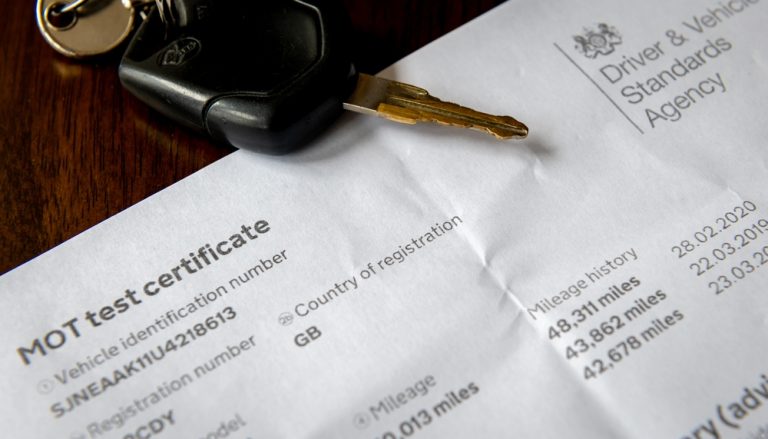
Document everything. Take current photographs of your plates from multiple angles and lighting conditions. Obtain receipts showing when and where plates were purchased—reputable suppliers like Number Plate Clinic provide documentation confirming BS AU 145e compliance. Collect any MOT certificates that show your plates passed inspection (though note that MOT regulations for number plates changed in 2018, tightening enforcement).
If your plates have faded since purchase, photographs from the time of installation can demonstrate your good faith. Evidence that plates were professionally manufactured and fitted strengthens your position.
Most insurers operate a two-stage complaint process. Begin with a formal written complaint to the claims handler, stating clearly:
“I am writing to formally challenge your decision to refuse my claim dated [DATE]. I believe this decision is unfair because [STATE REASONS]. My number plates were purchased from a reputable supplier and I had no reason to believe they were non-compliant. I request a full review of this decision and a detailed explanation of how my plates materially affected the risk you were insuring.”
If the insurer upholds its decision, escalate to their executive complaints team. Insurers must provide a final response within eight weeks.
The Financial Ombudsman Service (FOS) offers free, independent dispute resolution. You can refer your case once you’ve received the insurer’s final response or if eight weeks have passed without resolution. The FOS examines whether the insurer acted fairly and reasonably, considering the Insurance Act 2015’s proportionality requirements.
In 2023, the FOS upheld approximately 30% of motor insurance complaints, so the process is worthwhile. Prepare a clear timeline, all correspondence, photographic evidence, and a concise explanation of why the refusal is disproportionate.
Prevention remains far simpler than cure. Before purchasing or fitting modified plates, verify compliance:
If you’re buying a used vehicle, investigate whether existing plates comply. Can you make your own number plate is a common question—the answer is technically yes, but only if you’re a registered supplier and follow strict manufacturing standards. For most people, purchasing from certified suppliers remains the safest route.
Beyond claim refusals, illegal plates carry additional risks. Police can issue £100 fixed penalty notices for why number plates fail an MOT test, and in serious cases, you may face prosecution. What happens if you drive without a front number plate includes potential vehicle seizure and points on your licence.
The Motor Insurance Database (MID) links vehicle registrations to insurance policies. If your plates cannot be read, enforcement agencies cannot verify your insurance status, potentially leading to wrongful prosecution even when you’re properly covered. For queries about plate transfers or reserving future plates, ensure any new plates you commission meet legal standards from the outset.

While many disputes resolve through the FOS, complex cases may warrant solicitor involvement. Consider legal advice if your insurer alleges fraud (a criminal matter), if the claim value exceeds £25,000 (the FOS’s jurisdiction limit), or if the insurer has reported you for suspected insurance fraud to the Insurance Fraud Bureau.
For straightforward compliance questions or purchasing replacement plates, contact Number Plate Clinic for guidance on legal options including hex lambo plates and smoked or tinted variants, or why your plate keeps falling off if you’re experiencing fixing issues.
Insurers can indeed refuse claims over plate modifications, but only when those modifications represent a material, undisclosed risk. The vast majority of disputes arise from clearly illegal plates—heavily tinted covers, altered spacing, or obscured characters—rather than subtle aesthetic choices.
Your best protection combines compliance with documentation. Choose plates from reputable suppliers who guarantee DVLA conformity, photograph your installation, retain all paperwork, and disclose modifications when asked. If a claim is refused, remember that insurers must justify their decision proportionately under the Insurance Act 2015, and you have robust appeal mechanisms through the FOS.
Understanding your rights and responsibilities transforms a potentially nightmarish scenario into a manageable process. Stay legal, stay documented, and stay informed—your insurance depends on it.
Extra 10% OFF on Sale Product
Use Code ‘Blog10’