


[vc_row][vc_column][vc_column_text]Personalising your car with a sleek 3D or tinted number plate can completely change its look. These designs have become increasingly popular among drivers who want to stand out. But with so many Automatic Number Plate Recognition (ANPR) cameras monitoring the roads, there is one important question to ask. Can number plate cameras misread 3D or tinted plates?
Let us take a closer look at how ANPR systems work, how different plate styles affect them, and what you should know to stay both stylish and fully compliant.

ANPR, or Automatic Number Plate Recognition, is a technology used by police, local authorities, and private parking systems to capture and read registration numbers automatically. These cameras use infrared light to detect the reflective surface of a plate and identify its characters using optical recognition software.
When a plate is clearly visible, the camera instantly reads and checks it against national databases for insurance, MOT, or tax compliance. However, any alteration to the plate’s readability—such as glare, dirt, or non-standard materials—can cause the system to misread or fail to detect the number entirely.
3D and 4D plates use raised lettering made from acrylic or gel resin. While they look premium and give a modern, three-dimensional finish, this very feature can sometimes cause light reflection problems when viewed at certain angles.
Because ANPR cameras rely on infrared light, the shadows created by raised lettering may slightly distort how characters appear, particularly under poor lighting or in wet conditions. This does not mean every 3D plate causes misreads, but poorly manufactured ones without proper reflective backing can.
For example, low-quality plates that do not meet the required reflective plate standards or use incorrect spacing can make it difficult for cameras to interpret the registration correctly.
To avoid this risk, choose approved models such as the 3D gel number plate or explore the 4D plate collection, both designed to comply with DVLA number plate rules and the BS AU 145e standard.
Tinted plates are often more problematic than 3D ones. A tinted cover or smoke effect reduces the plate’s reflectivity, which is the very feature ANPR cameras rely on. Even a light tint can make your registration difficult to read in dark or rainy conditions.
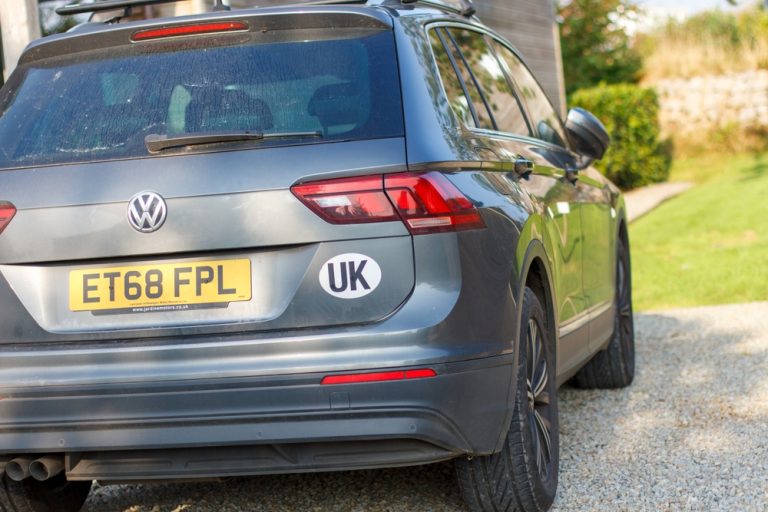
From a legal point of view, the DVLA explicitly states that all number plates must have a white background at the front and a yellow one at the rear, both with black, non-reflective characters. Any tint that changes the contrast between the characters and background breaches this rule, making the plate illegal for road use.
Tinted plates are often classified as show plates, suitable only for display purposes or car events. If you drive with tinted or smoked plates on public roads, ANPR cameras may fail to read them accurately, and you could face fines or even an MOT failure. Learn more about these risks in our guide on why number plates fail an MOT test.
ANPR technology is advanced, but it still has its limits. When a plate uses fonts, materials, or spacing that deviate from the legal standard, the camera’s recognition software can struggle.
Common recognition problems include:
These issues can result in what is known as a partial read, where the camera captures only part of the registration. In some cases, this can even cause mistaken reads, where similar-looking numbers or letters are confused.
That is why compliance with legal number plate requirements is essential—not just for avoiding fines, but to ensure your vehicle can be properly identified by law enforcement if needed.
DVLA regulations allow 3D and 4D plates as long as they comply with the official specifications. The raised lettering must still use the Charles Wright font, follow standard spacing, and be fully reflective. The surface finish cannot obstruct visibility or alter the plate’s colour contrast.
Tinted plates, on the other hand, are not permitted on public roads. Even a mild tint can be considered non-compliant because it reduces visibility, particularly under infrared light. If you use tinted or show plates while driving, it is classed as a legal offence.
For clarification, you can refer to the Number Plate Clinic guide on the impact of illegal plates on insurance and the article on what happens if you drive without a front number plate. Both explain how fines, points, and insurance complications can follow from using non-compliant plates.
Even if your plate looks fine at first glance, there are a few warning signs that it might not perform well under camera detection.
Check for:
If you notice any of these issues, it is best to replace the plate immediately. You can browse compliant replacements like the 2D printed number plate or opt for a distinctive yet legal shape such as the square number plate or hex lambo number plate.
Show plates are intended purely for display or off-road events. They often include tinted covers, coloured backgrounds, or custom graphics. These designs are not made to meet reflective or spacing standards, so they cannot be used on public roads.
If you like the look of a show plate but want to stay legal, you can have a similar design produced within DVLA rules. Learn more about display-only designs by visiting the show plates collection.
Many drivers who choose tinted or stylised plates simply want their vehicles to look unique. Unfortunately, some online sellers advertise plates as “legal style” when they are not. These sellers often skip essential checks like supplier identification or BS AU 145e certification.
This can lead to frustration later when a driver faces fines or MOT failures because the plate was not compliant. Always make sure to buy from a trusted, registered supplier who follows the DVLA number plate rules and provides full documentation. The Number Plate Clinic ensures every plate meets these requirements and is fully road legal.
The good news is that you can still achieve a stylish look while staying compliant. 3D and 4D plates that meet DVLA standards are completely legal, so long as they are produced with approved materials and clear reflectivity.
To keep your plate camera friendly and fully compliant:
You can also customise your vehicle legally with options like bike plates or matching accessories from the number plate accessories collection.

If your number plate fails an MOT due to reflectivity issues, fading, or incorrect spacing, it is usually easy to fix. Most drivers simply need to replace their plate with a compliant one before retesting.
For detailed guidance, take a look at the article on MOT regulations for number plates, which explains how to correct common issues and stay compliant moving forward.
3D and 4D plates can look fantastic, but they must still follow the rules. While ANPR cameras are highly advanced, they are not immune to misreads caused by poor reflectivity or incorrect materials. Tinted plates are the biggest offenders, often causing complete detection failures.
If you want to enjoy custom styling without risking fines or failed readings, always choose DVLA approved designs from recognised suppliers.
If you have any doubts about your current plate or need help choosing a compliant alternative, reach out to the Number Plate Clinic team through contact us for expert advice and trusted replacements.[/vc_column_text][/vc_column][/vc_row]