


It’s a question many drivers ask before investing in 4D plates: will these eye catching number plates make me more likely to be pulled over? The concern is understandable. You want your car to look smart, but not at the cost of unwanted police attention or fines. This guide gives you the facts, cuts through the myths, and helps you make an informed choice.
DVLA compliant 4D plates do not inherently attract police attention. What matters to enforcement is legality, not style. If your plates meet British Standard requirements, display the correct information clearly, and are fitted properly, you’re no more likely to be stopped than someone with standard printed plates.
The real risk comes from non compliant plates: incorrect spacing, wrong fonts, tinted covers, or obscured characters. These issues can occur with any plate type, not specifically 4D. Police and ANPR cameras flag illegible or non standard plates, regardless of whether they’re 2D, 3D gel, or 4D acrylic.
Understanding DVLA regulations of 3D 4D number plates is essential. Compliant plates, properly displayed, should not cause problems.

UK law requires number plates to meet specific standards under the Road Vehicles (Display of Registration Marks) Regulations 2001. These regulations apply to all plate types.
Legal requirements include:
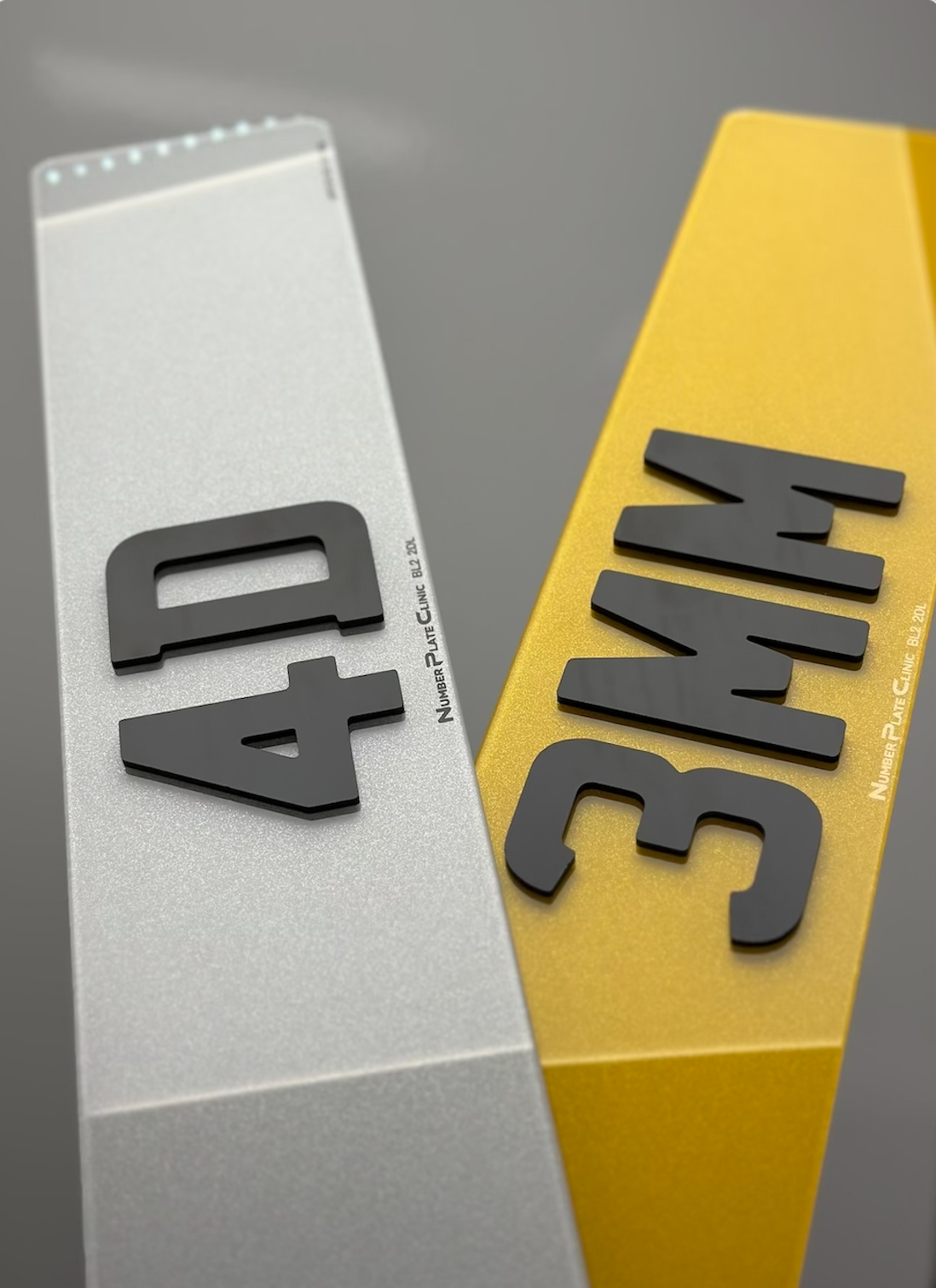
4D acrylic plates from registered suppliers are manufactured to these standards. The three dimensional characters are a style choice, not a legal issue. The laser cut acrylic construction can actually improve visibility and readability, particularly in poor light or adverse weather.
The law does not prohibit raised or three dimensional characters. What it prohibits is anything that makes plates difficult to read, either by eye or by ANPR cameras.
The belief that 4D plates attract police attention likely stems from a few factors.
4D plates look different from standard flat printed plates. The raised characters catch light and create depth. This visual distinctiveness makes some drivers assume police will notice them more readily.
In reality, police attention is driven by vehicle behaviour and obvious compliance issues, not subtle aesthetic differences. Officers are looking for dangerous driving, defective vehicles, or clearly illegal modifications. A neatly fitted, compliant 4D plate simply isn’t a priority.
Some modified or performance vehicles feature 4D plates, and modified cars sometimes attract more scrutiny. However, the attention comes from the modifications themselves (lowered suspension, loud exhausts, tinted windows), not the number plates. A standard family car with compliant 4D plates in Leicester or Sheffield will pass unnoticed.
Non compliant plates sold online, often marketed as “show plates” with incorrect fonts, spacing or tinted covers, do attract police attention. Some buyers mistakenly believe all styled plates fall into this category. Quality 4D plates from registered suppliers are completely different. They meet every legal requirement whilst offering a modern, quality finish.
Understanding what enforcement officers look for helps put 4D plates in perspective.
Plates covered in mud, damaged, faded, or fitted with tinted covers are red flags. What happens if you drive without a front number plate or with an obscured one? Fixed penalties, MOT failures, and potential points on your licence.
ANPR cameras constantly scan plates. If a camera cannot read your registration, it flags the vehicle for manual checks. Officers then look for the cause: dirt, damage, or deliberate obstruction.
Plates with altered spacing to create words or names are illegal and easily spotted. Custom fonts that deviate from the Charles Wright standard are also non compliant. These issues occur with 2D, 3D gel, and 4D plates when buyers choose non registered suppliers or deliberately request illegal variations.
Show plates are designed for off road display only. They often feature non standard fonts, backgrounds or formats. Using them on public roads is illegal and will attract attention. This has nothing to do with 4D plates specifically, it’s about using the wrong product in the wrong context.
Speeding, erratic driving, or vehicle defects (broken lights, excessive noise) are what initially draw police attention. Once stopped, officers will check everything, including plates. If your plates are compliant, they’re not an issue. If they’re not, they become an additional offence.
Hearing from drivers who actually use 4D plates provides useful context.
Sarah drives a 2019 Audi A3 in Coventry and fitted 4D plates two years ago. “I was nervous at first, thinking they might stand out too much. I’ve done over 30,000 miles with them, including motorway driving and city centre parking. I’ve never been stopped or questioned. They just look neat and well made.”
Tom runs a small courier business with three vans operating in Edinburgh and Dundee. “We fitted 4D plates to all our vehicles for a more professional appearance. They go through regular MOTs and roadside checks without any issues. The key is buying from registered suppliers who guarantee compliance.”
Not all stories are positive, but the problems relate to compliance, not the 4D format itself. Mark bought cheap plates online and was stopped within a month. “The spacing was slightly off, and the font wasn’t quite right. I thought it wouldn’t matter, but ANPR flagged it. I ended up with a £100 fine and had to replace them immediately. I should have bought proper ones from the start.”
These experiences reinforce a clear pattern: compliant plates cause no problems, non compliant plates cause trouble regardless of style.
Modern traffic enforcement relies heavily on ANPR (Automatic Number Plate Recognition). Understanding how the science behind 4D plates and their interaction with speed cameras works is important.
ANPR systems use contrast, shape recognition and reflective properties to read plates. Quality 4D plates with properly reflective backing and clearly defined characters actually perform well with these systems. The raised edges create strong shadows that enhance character definition, particularly in varied lighting.
Problems occur when plates have poor reflectivity, incorrect colours, or obscured characters. These issues affect camera recognition with any plate type. A faded 2D printed number plate causes the same ANPR problems as a non compliant gel or 4D plate.
If you’re purchasing 4D plates, ensure the supplier confirms British Standard reflective material and proper construction. This guarantees ANPR compatibility and avoids automated flags.
Do certain plate styles attract more attention than others? The evidence suggests not, provided they’re compliant.
2D printed plates are the most common. They’re affordable, legal when properly made, and completely unremarkable. Police see thousands daily without a second glance.
3D gel plates have been popular for years. The raised resin characters create a glossy effect. When compliant, they’re equally legal and equally ignored by enforcement.
4D plates offer a crisper, more defined appearance. The solid acrylic construction is durable and maintains clarity longer than gel or printed alternatives. Police perception is the same: if they meet standards, they’re fine.
The determining factor is always compliance, never style. A 3D gel number plate from a dodgy supplier with incorrect spacing will cause problems. A quality 4D plate from a registered supplier will not.
Two related concerns often arise: insurance and MOT testing.
You should tell your insurer about new 3D and 4D number plates. This is straightforward and rarely affects premiums. Insurers care about modifications that affect safety or value, not compliant number plates. A quick call or online notification keeps your policy valid.
Failing to notify is the risk, not the plates themselves. It’s a five minute task that provides complete peace of mind.
MOT testers check that number plates are present, secure, clean and compliant. Compliant 4D plates pass MOT inspection just as readily as any other legal plate. Testers look for damage, fading, incorrect information or non standard fonts. If your plates meet DVLA requirements, they’ll pass.
The durability of 4D plates can actually be an advantage here. They resist fading and wear better than printed alternatives, meaning they’re more likely to remain compliant and legible throughout their lifespan.
Choosing quality plates is the first step. Maintaining compliance afterwards matters too.
When purchasing:
After fitting:
Drivers in Bradford, Belfast, Nottingham and across the UK follow these simple steps and drive with complete confidence.
The question “do 4D plates attract more police attention” has a clear answer: no, when they’re compliant.
Police enforcement focuses on safety, legality and vehicle behaviour. Compliant 4D plates meet legal standards and cause no issues. Non compliant plates of any type attract attention because they break the rules, not because of their style.
The real risk is buying from suppliers who don’t understand or don’t care about regulations. Cheap plates with incorrect fonts, spacing or materials will cause problems whether they’re 2D, 3D or 4D.
Choose 4D plates if:
Avoid non compliant plates that:
If you’re considering 4D plates, focus on quality and compliance. Registered suppliers provide plates that meet every legal requirement whilst offering excellent durability and appearance. You can browse our range of road legal 4D acrylic plates or contact us for specific advice.
Your number plates represent your vehicle to the world, to enforcement systems, and to other road users. Choose quality, choose compliance, and drive with confidence. That’s what matters, not myths about police attention.
Further reading:

Extra 10% OFF on Sale Product
Use Code ‘Blog10’