

You’ve been considering window tint for your car. Perhaps you want UV protection for your children, privacy from prying eyes, or simply the sleek aesthetic that tinted windows provide. Before you book an installation appointment, there’s a crucial question you need to answer: will window tint affect your car insurance?
The straightforward answer is that window tint can affect your insurance, but the extent depends on several factors including whether it’s legal, whether you declare it, and how your specific insurer views modifications. Understanding these nuances before you tint could save you from claim refusals, policy cancellations, and premium increases that catch many drivers completely off guard.
Before examining insurance implications, you must understand what’s actually legal. What’s the legal limit for window tint in the UK? The rules are precise and non-negotiable.
UK law mandates minimum Visible Light Transmission (VLT) percentages for vehicle windows. VLT measures how much light passes through the glass, expressed as a percentage. Higher percentages mean more light transmission and less tinting.
For the front windscreen, you must allow at least 75% of light through. Only a light tint strip along the very top of the windscreen is permitted, and even this must not extend into the swept area used by windscreen wipers. For front side windows (driver and passenger windows beside the front seats), at least 70% of light must pass through. These rules apply to all passenger vehicles registered after 1985.
Rear windows face no legal VLT restrictions. You can apply any level of tint to rear side windows and the rear windscreen, provided the vehicle has two functioning door mirrors (one on each side). This explains why many vehicles display very dark rear windows while maintaining lighter front glazing.
An important distinction exists between factory fitted privacy glass and aftermarket window film. Many modern vehicles leave the factory with tinted rear windows meeting privacy glass specifications. This factory tinting is built into the glass during manufacture and falls within legal limits automatically, requiring no special consideration.
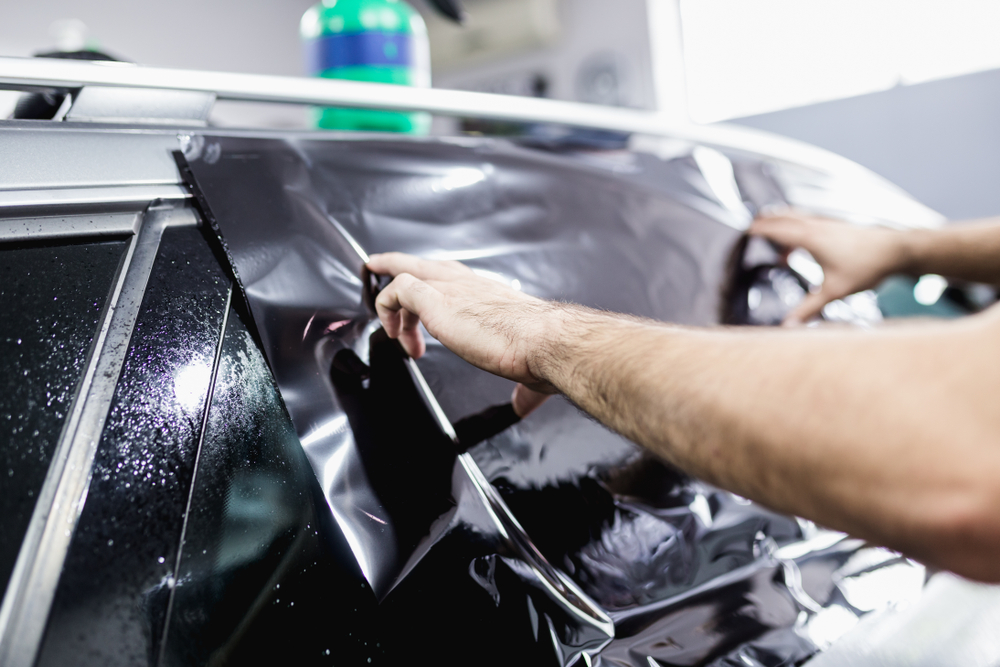
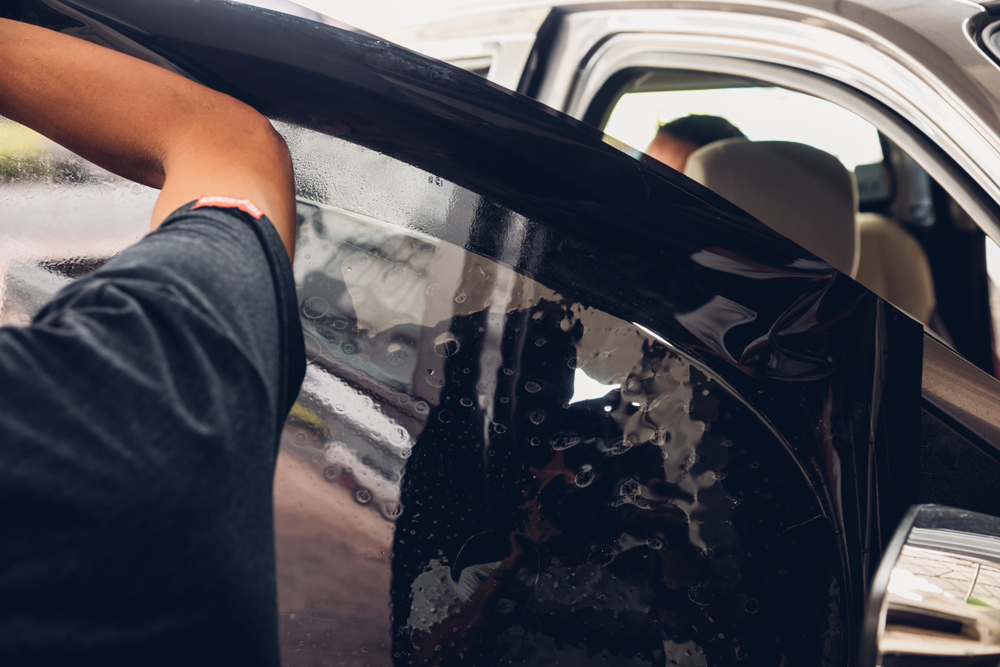
Aftermarket tinting involves applying film to existing glass after the vehicle has been manufactured. This is where legal compliance becomes your responsibility. Professional installers should measure VLT percentages before and after application, providing documentation confirming legal compliance. Always request and retain this paperwork.
Understanding the insurance perspective helps you anticipate how your policy might be affected.
Most UK insurers classify aftermarket window tinting as a vehicle modification, regardless of how subtle or practical it may seem. This categorisation matters because insurance contracts require you to declare all modifications that could affect the vehicle’s value, appearance, performance, or risk profile.
The insurance industry’s logic is straightforward. Modifications suggest the vehicle differs from manufacturer specifications, potentially affecting replacement costs, repair complexity, or even driver behaviour and visibility. Even modifications you consider purely cosmetic or protective may influence an insurer’s risk assessment.
Here’s where it gets interesting. Factory fitted privacy glass typically does not require declaration because it’s part of the vehicle’s original specification. When you obtain insurance quotes for a vehicle with factory privacy glass, comparison sites and insurers already account for this feature in their standard pricing. The glass was installed during manufacture and meets all legal requirements by default.
However, if you add aftermarket tinting to factory privacy glass on rear windows, making them darker than originally specified, this does constitute a modification requiring declaration. The modification is the change from original specification, not the mere presence of tinted glass.
The critical question many drivers ask is whether they’re legally or contractually obligated to inform their insurer about window tinting.
Your insurance contract almost certainly requires you to notify the insurer of any modifications. Look for clauses stating you must inform them of “any changes to the vehicle” or “modifications from manufacturer specification.” These broad wordings encompass window tinting.
Failure to notify constitutes non-disclosure of a material fact. Under the Insurance Act 2015, insurers can refuse claims or reduce payouts proportionately if you fail to disclose modifications. For deliberate non-disclosure, where you knowingly avoid telling them about significant changes, insurers may void your entire policy.
The safest approach is notifying your insurer before installing aftermarket tint. Call them, explain what you’re planning, ask if it affects your premium or cover, and document the conversation including the date, time, and representative’s name. Request written confirmation of their position.
Many insurers charge nothing for legal window tint on rear windows. Some may add modest premium increases for front window tinting (even when legal) because it suggests modification culture or higher vehicle value. A few insurers refuse to cover vehicles with any aftermarket tinting, regardless of legality.
Discovering your insurer won’t cover tinted windows before you spend money on installation saves considerable frustration compared to finding out after the fact or, worse, when attempting to claim.
When contacting your insurer, be specific and factual. Try this approach:
“I’m considering having window tinting professionally applied to my vehicle. The tinting will be on the rear side windows and rear windscreen only, with legal VLT percentages well within UK requirements. The front windscreen and front side windows will not be tinted. I’m calling to confirm whether this affects my policy, whether my premium will change, and what documentation you require me to provide once the work is completed.”
This script demonstrates you’ve researched legality, you’re being proactive about disclosure, and you’re seeking clear guidance. Most insurers appreciate this approach and respond positively.
The million pound question: will your premium increase?
Responses vary significantly between insurers. Many mainstream insurers charge no additional premium for legal window tinting on rear windows, viewing it as a cosmetic modification with minimal risk impact. Some insurers add modest increases, typically between £20 and £50 annually, reflecting administrative costs and slightly increased vehicle value.
A minority of insurers, particularly those offering the cheapest policies with strict underwriting criteria, may refuse to cover vehicles with any aftermarket tinting. These insurers typically target high volume, low complexity business and prefer vehicles in completely standard specification.
Specialist modified vehicle insurers generally welcome window tinting as a relatively benign modification. If your insurer quotes prohibitively high premiums or refuses cover, shopping around often reveals insurers comfortable with tinted windows at reasonable rates.
Several variables affect whether and how much your premium changes. The extent of tinting matters; rear only versus front and rear creates different perceptions. Legal compliance is crucial as illegally dark tinting suggests disregard for regulations, prompting higher premiums or refusals. Your driving history influences insurer confidence about accepting modifications. Vehicle value and type also matter, with expensive or high performance cars facing greater scrutiny. Your age and postcode factor into calculations alongside modification considerations.
Understanding the consequences of non-disclosure helps you appreciate why declaration matters.
Imagine you’re involved in an accident. Your insurer investigates and discovers your windows are tinted, something you never mentioned. They may refuse the claim entirely, arguing you failed to disclose a material modification. Even if the tinting had no causal relationship to the accident whatsoever, non-disclosure alone can trigger refusal under Insurance Act 2015 provisions.
Alternatively, the insurer might agree to handle the claim but reduce the payout proportionately. If they calculate they would have charged 15% more premium had they known about the tinting, they may reduce your claim settlement by 15%, leaving you to cover the shortfall personally.
For deliberate non-disclosure where you knowingly avoided telling the insurer about significant modifications, they may void your policy retrospectively. This means treating it as if it never existed, refunding your premiums and leaving you personally liable for all losses. If you’ve caused injury to third parties, you could face personal bankruptcy trying to cover compensation claims the insurer refuses to handle.
Even if a refused claim doesn’t lead to court proceedings, you’ll need to disclose it on future insurance applications. Questions asking “Have you ever had insurance refused, cancelled, or had special terms imposed?” require honest answers. Many insurers refuse applicants with such histories or charge significantly higher premiums.
Window tinting implications vary depending on your specific circumstances.
If you drive a company car or leased vehicle, you likely cannot install aftermarket tinting without explicit permission from your employer or leasing company. These vehicles remain someone else’s property, and modification without consent may breach your employment contract or lease agreement.
Lease agreements typically prohibit any alterations to the vehicle beyond normal wear and tear. Installing window tint could trigger end of lease penalties, charges to remove the tinting, or even termination of the lease agreement. Always obtain written permission before modifying vehicles you don’t own outright.
Fleet managers considering window tinting across multiple vehicles must verify that fleet insurance policies accommodate modifications. Some fleet policies automatically cover minor cosmetic modifications, while others require specific notification and potentially charge per vehicle surcharges.
The administrative burden of documenting tinting across dozens or hundreds of vehicles, maintaining compliance records, and managing policy variations can be substantial. Centralised documentation systems tracking which vehicles have been modified, installation dates, installer details, and VLT certification become essential.
Parents often install window tinting for UV protection, particularly for young children. This represents a perfectly reasonable motivation, but the insurance implications remain identical. Legitimate safety reasoning doesn’t exempt you from declaration requirements.
When explaining the modification to insurers, mentioning child safety may help contextualise your decision, though it won’t typically affect premium calculations. Focus on demonstrating you’ve chosen legal tinting installed professionally rather than emphasising motivation.
Window tinting affects not just insurance but also your vehicle’s MOT status.
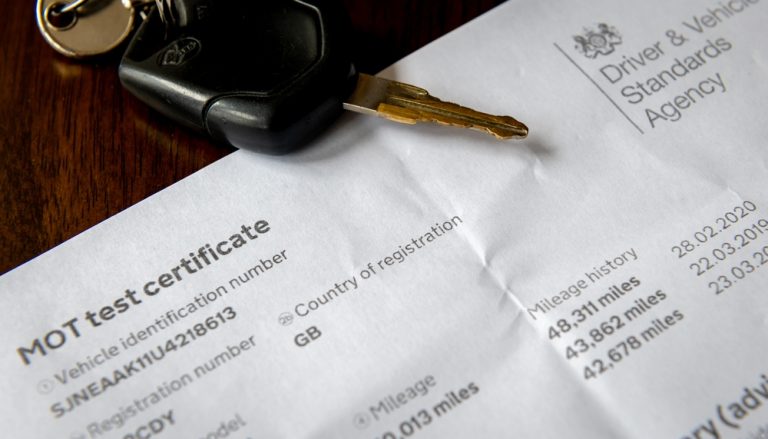
Since MOT testing regulations updated, testers must check front windscreen and front side window VLT percentages. Tinting that reduces light transmission below legal limits results in automatic MOT failure. You cannot legally drive the vehicle until you remove the illegal tinting and obtain a valid MOT certificate.
This creates a double bind. Illegal tinting fails your MOT, preventing legal road use. Simultaneously, if you’re involved in an accident while driving with expired MOT due to illegal tinting, your insurer will almost certainly refuse the claim, citing both the illegal modification and the MOT failure as grounds for rejection.
The message is clear: ensure any window tinting you install comfortably exceeds minimum VLT requirements, leaving margin for testing equipment variations and material degradation over time.
Your choice of installer affects both legal compliance and insurance peace of mind.
Select installers who are members of recognised trade bodies or hold relevant certifications. Professional installers measure VLT percentages accurately, provide written documentation confirming legal compliance, offer warranties on their work, and use quality films less likely to fail or degrade prematurely.
Request evidence of insurance covering their work. If installation causes damage to your vehicle or creates non-compliant results, you need confidence that the installer can rectify problems without leaving you financially exposed.
After installation, obtain an invoice detailing what work was performed and which windows received tinting, VLT certificates confirming light transmission percentages for each window, warranty information covering the film and installation, and the installer’s contact details and any professional memberships.
Photograph your vehicle showing the tinted windows clearly. Store this documentation with your vehicle records, making it available if your insurer requests evidence or if you sell the vehicle later.
Window tinting affects resale just as it affects insurance.
When selling privately, consumer protection law requires you to disclose known modifications. Mentioning window tinting to prospective buyers demonstrates transparency. Some buyers view it as desirable; others prefer standard specification vehicles. Either way, disclosure prevents subsequent disputes.
If selling to a dealer or part exchanging, they’ll inspect the vehicle thoroughly and identify tinting during appraisal. Dealers factor modifications into valuations, though legal, professional window tinting rarely reduces value significantly and may enhance it depending on buyer preferences.
Some sellers remove aftermarket tinting before sale to appeal to wider buyer pools. Professional removal costs less than installation and returns the vehicle to standard specification. This decision depends on your target market and whether you believe the tinting adds value.

Before installing window tint, work through this systematic approach.
Research phase: Verify legal VLT requirements for your vehicle type and registration date. Check your insurance policy wording regarding modifications. Research accredited installers in your area with good reviews. Obtain quotes from multiple installers comparing film quality and warranties.
Pre installation: Contact your insurer to notify them of your intentions. Document their response including any premium changes or requirements. Choose a professional installer with appropriate accreditation. Confirm they’ll provide VLT certification documentation.
Post installation: Obtain all documentation from the installer including invoices and VLT certificates. Photograph your vehicle showing tinted windows. Provide copies to your insurer if requested. Store documentation with your vehicle records. Update your policy documentation if the insurer issues modified paperwork.
Ongoing maintenance: Monitor tinting condition for degradation or damage. Keep documentation accessible for MOT testing and insurance reviews. Disclose tinting when switching insurers or renewing policies.
If concerns about insurance complications discourage you from window tinting, alternatives exist.
Sunshade accessories provide UV protection and privacy without permanent modification. Detachable sunshades don’t require insurer notification and can be removed when selling the vehicle. While less aesthetically seamless than tinting, they offer flexibility without insurance or legal complications.
For those interested in vehicle personalisation more broadly, questions about modifications frequently overlap. Readers curious about whether 4D plates are too flashy for a daily driver face similar considerations about balancing personalisation with practical insurance and legal compliance.
For comprehensive guidance on window tinting beyond insurance implications, consult our window tinting resource centre covering legal requirements, installation processes, maintenance, and more.
Window tinting does affect your insurance in the UK, but understanding exactly how enables you to make informed decisions and take appropriate action. Legal window tinting on rear windows rarely causes significant premium increases with most mainstream insurers, provided you declare it properly and obtain professional installation with proper documentation.
The critical steps are straightforward: verify legality before installation, notify your insurer proactively rather than reactively, choose accredited installers who provide comprehensive documentation, and retain all paperwork demonstrating compliance. These simple measures transform window tinting from a potential insurance minefield into a manageable vehicle modification that enhances your driving experience without creating coverage gaps or claim complications.
If you’re ready to explore window tinting or need advice about compliance and installation, contact us for guidance from professionals who understand both the technical and insurance dimensions of vehicle modifications. Making informed choices today protects your coverage and gives you confidence that your personalisation decisions won’t create problems tomorrow.

Extra 10% OFF on Sale Product
Use Code ‘Blog10’