

You’ve probably heard the rumours at the petrol station or seen the warnings on motoring forums: certain stretches of motorway, particular roundabouts, or specific town centres seem to attract an unusually high number of number plate related stops and fines. Are these stories just urban myths, or are some roads genuinely more heavily monitored for illegal, obscured, or non-compliant plates?
The answer is yes, police and ANPR enforcement is strategically concentrated in specific locations, and understanding where and why can help you avoid unwanted attention and costly penalties. More importantly, knowing what enforcement officers look for and how to ensure your plates comply can save you from fines, points, and the broader complications that stem from non-compliant registration marks.

Before examining specific hotspots, it’s essential to understand the enforcement mechanisms that identify problematic plates.
Automatic Number Plate Recognition systems form the backbone of modern plate enforcement. These cameras capture and analyse registration marks in real time, cross referencing them against multiple databases including the Motor Insurance Database, DVLA vehicle records, lists of untaxed vehicles, vehicles linked to criminal investigations, and stolen vehicle registers.
What many drivers don’t realise is that sophisticated ANPR algorithms now detect more than just missing or mismatched registrations. Modern systems identify plates with altered spacing, non-standard fonts, reduced reflectivity from tinted covers, and characters that deviate from prescribed British Standard specifications. When the system flags a vehicle, patrol officers receive instant alerts containing photographs of the offending plates and the vehicle’s precise location.
According to the National Police Chiefs’ Council, the UK maintains over 11,000 fixed ANPR cameras plus thousands of mobile units deployed in marked and unmarked police vehicles. This extensive network generates millions of reads daily, with sophisticated filtering algorithms identifying potential violations for human review.
Beyond automated ANPR monitoring, police forces conduct targeted operations focusing on specific violations. Roads policing units regularly run campaigns specifically targeting number plate legality, often timed around peak travel periods, major sporting events, or following publicity about plate related offences.
These operations involve multiple patrol vehicles positioned at strategic locations, often working alongside DVLA enforcement officers who provide technical expertise about compliance standards. Officers receive briefings highlighting current enforcement priorities, which frequently include modified plates, obscured registrations, and vehicles displaying show plates on public roads.
Certain locations attract disproportionate enforcement attention, and the patterns reveal clear strategic thinking.
Motorways and principal A roads host the densest concentration of fixed ANPR cameras in the UK. The M25 London Orbital, M1, M6, M4, and M5 corridors feature particularly intensive coverage, with cameras positioned at regular intervals to create comprehensive vehicle tracking capability.
These routes attract enforcement focus for several reasons. High traffic volumes increase the likelihood of detecting violations, making deployment of resources efficient. Motorways connect major population centres, creating natural chokepoints where vehicles must pass. Long distance travel means vehicles from across the country traverse these routes, capturing a diverse range of registration styles and compliance levels. Major trunk roads serve as primary routes for vehicle crime, stolen goods transportation, and other serious offences where obscured plates play a role.
Junctions where motorways meet, particularly complex intersections like the M6/M5 junction near Birmingham or the M1/M25 interchange, feature especially dense camera coverage. Vehicles cannot avoid these points, making them ideal for systematic monitoring.
London’s Congestion Charge zone operates the most comprehensive urban ANPR network in the UK, with cameras positioned at every entry and exit point plus extensive internal coverage. Transport for London’s system captures every vehicle entering the zone, making plate compliance essential for avoiding both traffic penalties and enforcement action.
Similar patterns exist in Birmingham, Manchester, Edinburgh, Glasgow, and other major cities with low emission zones or traffic management schemes. These urban areas combine high ANPR density with regular patrol presence, creating environments where non-compliant plates face near certain detection.
City centre retail and entertainment districts also attract attention. Police forces often position mobile ANPR units near popular nightlife areas on Friday and Saturday evenings, targeting drink driving and other offences but simultaneously capturing plate violations.
Roads approaching international borders, ferry terminals, and Channel Tunnel access points feature intensive monitoring. The A55 approaching Holyhead, M20 to Dover and Folkestone, A1/M1 approaching Scottish border crossings, and routes to Portsmouth, Southampton, and other major ferry ports all host comprehensive ANPR coverage.
Border crossing points require systematic vehicle identification for customs, immigration, and security purposes. This creates natural enforcement opportunities where non-compliant plates stand out immediately. Vehicles transporting goods internationally or travelling to/from continental Europe must have clearly identifiable registrations, making these routes enforcement priorities.
Affluent neighbourhoods where personalised and modified plates are common attract targeted enforcement. Areas of London including Chelsea, Kensington, Mayfair, and Knightsbridge see regular police operations targeting high value vehicles with modified plates. Similar patterns exist around Manchester’s city centre, Edinburgh’s New Town, and Birmingham’s Edgbaston district.
Business parks, retail parks, and industrial estates also feature regular patrols. These locations combine high daytime traffic volumes with convenient stopping areas where officers can safely conduct roadside checks without disrupting traffic flow.
Police forces actively monitor events attracting modified vehicles. Regular car meets at retail park car parks, classic car shows, performance vehicle gatherings, and informal weekend meetups often see marked and unmarked police presence specifically targeting plate compliance.
Organisers of legitimate events sometimes coordinate with police to conduct checks at entry points or within venue grounds. While this causes inconvenience, it reflects determination to address modified plate prevalence in enthusiast communities.
Plate enforcement is not uniformly distributed across the UK, and understanding regional patterns helps contextualize your risk.
The Metropolitan Police area covering Greater London maintains the most intensive enforcement regime in the UK. The combination of comprehensive ANPR coverage, substantial roads policing resources, congestion charge enforcement, and high vehicle density creates an environment where plate violations face near certain detection.
London’s ULEZ expansion has added further layers of monitoring, with every camera capable of identifying non-compliant plates alongside emission standard verification. Drivers entering London from elsewhere often express surprise at the enforcement intensity compared to their home regions.
The West Midlands and Greater Manchester police forces operate sophisticated ANPR networks rivalling London’s coverage. Birmingham and Manchester city centres feature particularly intensive monitoring, supplemented by regular targeted operations on surrounding motorway networks.
Both forces have publicly stated priorities around tackling modified plates and vehicle crime, translating into regular high visibility enforcement campaigns. Social media channels operated by these forces frequently showcase stopped vehicles with illegal plates, underscoring commitment to this enforcement area.
Counties including Devon and Cornwall, North Yorkshire, Cumbria, and Norfolk conduct less frequent but highly targeted operations. These forces deploy mobile ANPR units to specific locations during peak tourist seasons, targeting routes to coastal resorts, national parks, and popular attractions.
While overall enforcement density is lower than urban areas, when operations occur they tend to be thorough and systematic. Rural forces often coordinate checks around agricultural shows, country fairs, and classic car runs where modified plates are statistically more common.
Police Scotland operates intensive ANPR monitoring around Glasgow and Edinburgh, with significant coverage on routes connecting these cities. The M8 corridor faces particularly heavy scrutiny. Approach roads to tourist destinations in the Highlands receive seasonal monitoring, especially during summer months.
Welsh forces concentrate resources around Cardiff, Swansea, and routes connecting Wales to England. The M4 through South Wales and A55 along the north coast feature comprehensive fixed camera coverage supplemented by mobile patrol units.
Understanding what actually prompts stops helps you assess your vehicle’s compliance.
Certain plate issues guarantee enforcement action when detected. These include completely missing plates front or rear, which constitute serious offences, deliberately obscured characters suggesting attempts to avoid ANPR detection, plates with significantly altered spacing creating words or phrases, and heavily tinted or smoked covers reducing reflectivity below legal thresholds.
What happens if you drive without a front number plate includes immediate stopping, fixed penalties, and potential vehicle seizure. Missing plates suggest possible cloning, theft, or deliberate evasion, prompting thorough investigation beyond simple plate compliance.
Less severe violations still attract attention during targeted operations. Plates using non-standard fonts or stylised characters, incorrect spacing that doesn’t completely obscure registration but deviates from prescribed measurements, faded number plates with reduced legibility, and plates missing British Standard markings or supplier details all risk penalties.
Even legal 4D plates, 3D gel number plates, or hex lambo plates can attract scrutiny if characters have deteriorated, creating partial obscurity or reflectivity issues.
Enforcement likelihood increases based on additional factors beyond the plates themselves. Vehicles displaying other modifications, particularly lowered suspension, tinted windows, or aftermarket body kits, receive closer attention. High value or performance vehicles attract disproportionate scrutiny, reflecting assumptions about owner willingness to modify plates. Driving behaviour including aggressive acceleration, speeding, or erratic manoeuvres prompts stops during which plate compliance gets checked alongside other factors.
Time and location matter significantly. Late night driving in city centres, presence near known crime hotspots, or travel during announced enforcement operations all increase stop likelihood even for marginal plate issues.
Regardless of where you drive, ensuring plate compliance eliminates enforcement risk entirely.
Examine your plates carefully checking that characters use Charles Wright font exclusively (no stylised alternatives), spacing measures exactly 11mm between individual characters and 33mm between groups, colours are pure white front and yellow rear with black characters only, BS AU 145e marking appears clearly at the bottom alongside supplier name and postcode, and plates are clean, undamaged, and fully reflective.
If you’re uncertain about compliance, compare your plates to official DVLA guidance or consult registered suppliers for professional assessment.
Strip away any covers, tints, or accessories that reduce visibility or reflectivity. Are smoked or tinted number plates legal under UK law? The answer is definitively no, regardless of marketing claims. Remove them immediately.
Check number plate accessories carefully. Even decorative screw caps or frames can obscure portions of characters or markings, creating compliance issues. If your number plate keeps falling off, address fixing problems urgently as loose plates create both safety and legal risks.
Replace plates showing wear, damage, or deterioration. UV exposure, weather, and age transform once compliant plates into violations. Cracked, chipped, or significantly faded plates fail standards even if originally legal.
For vehicles requiring replacement plates, choose from compliant options including 2D printed number plates for traditional styling, 3D gel plates for subtle dimension, or 4D raised character plates for premium appearance, ensuring all meet DVLA standards.
Motorcyclists should verify bike plates meet dimensional requirements while maintaining spacing and font compliance. Imported vehicle owners need to confirm whether square number plates are permissible for their specific vehicle type. Classic car owners should research whether stick on plates are legal for classic cars and under what conditions exemptions apply.
If you’ve recently completed a number plate transfer, ensure physical plates match your current DVLA registered mark precisely. Displaying outdated registrations guarantees enforcement attention.
Photograph your compliant plates from multiple angles immediately after installation. Retain purchase receipts, compliance certificates, and fitting records. This documentation proves invaluable if questioned during stops or if contesting penalties.
For those asking can you make your own number plate and register it, remember that only DVLA registered suppliers can legally manufacture plates. DIY approaches guarantee non-compliance and serious legal consequences.
Despite your best efforts, you may find yourself stopped during targeted operations. Knowing how to respond reduces stress and complications.
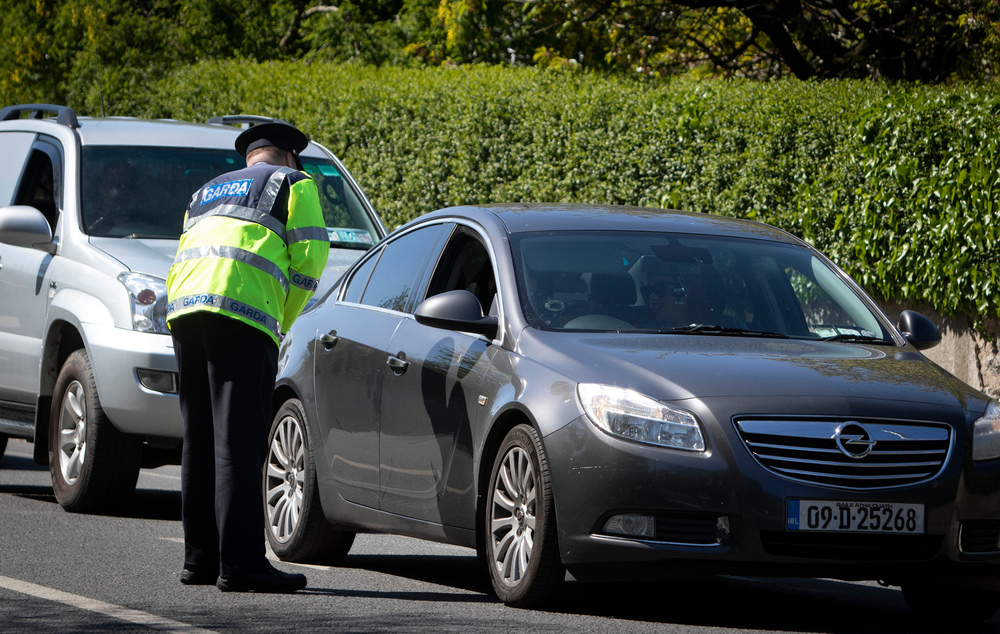
Pull over safely when signalled, switch off your engine, and remain calm. Officers will identify themselves and explain the reason for the stop. If plate compliance is questioned, listen carefully to their specific concerns. Avoid arguing or becoming defensive as this rarely helps your situation. Request the officer’s details including name, collar number, and station for your records.
If you genuinely believe your plates comply, politely ask which specific regulation you’re allegedly breaching. Take photographs of your plates if safe and permitted, establishing your own record of their condition at the time of the stop.
If issued a fixed penalty notice, you typically have 28 days to pay or 14 days to request a court hearing if contesting. Vehicle Defect Rectification Notices give seven days to fit compliant plates and provide photographic proof. Verbal warnings carry no formal penalty but get recorded on police systems, potentially affecting future encounters.
Consider whether contesting is worthwhile. For clear violations like tinted covers or altered spacing, paying the penalty and fitting compliant plates proves more efficient than fighting justified citations. For marginal issues where you believe your plates actually comply, gathering evidence and formally appealing may succeed.
Remember that the impact of illegal plates on insurance extends beyond immediate penalties. Being stopped for plate violations creates records that may affect future insurance premiums and coverage. Notify your insurer if required by your policy terms, providing evidence of immediate remedial action.
Plate compliance isn’t only about avoiding roadside stops. Why do number plates fail an MOT test? includes all the violations that trigger roadside penalties. Since 2018, MOT testers must fail vehicles displaying non-compliant plates, regardless of the vehicle’s mechanical condition.
This creates a pincer effect where you face both roadside enforcement in hotspot areas and mandatory MOT failures until plates achieve compliance. A breakdown of MOT regulations for number plates explains the full scope of testing requirements and how they intersect with roadside enforcement.

If you regularly drive through known enforcement hotspots, proactive compliance becomes essential rather than optional.
For commuters travelling M25, M1, M6, or other major motorway corridors daily, prioritising plate compliance eliminates ongoing anxiety about enforcement. City centre workers in London, Birmingham, Manchester, or other urban areas with comprehensive ANPR coverage should verify plates meet standards before each congestion charge zone entry.
Professional drivers including taxi operators, delivery drivers, and courier services face heightened scrutiny and cannot afford licence points or insurance complications. Fleet managers should implement regular compliance audits across all vehicles, recognising that corporate liability extends beyond individual driver responsibility.
For guidance on ensuring compliance or sourcing replacement plates, contact Number Plate Clinic for expert advice on legal options that maintain your vehicle’s appearance while meeting DVLA standards.
Police hotspots for bad plate enforcement are real, strategic, and increasingly sophisticated. Major motorways, urban centres, border crossings, and affluent areas where modified plates are common all face intensive monitoring that makes detection of non-compliant plates virtually certain.
Rather than trying to avoid these areas or hoping enforcement will miss you, the sensible approach is ensuring your plates comply fully with DVLA standards. Modern ANPR technology and coordinated patrol operations mean that non-compliant plates face detection sooner rather than later, regardless of how carefully you plan your routes.
Take thirty minutes today to inspect your plates properly, address any issues immediately, and document your compliance thoroughly. This modest investment of time eliminates the risk of fines, points, insurance complications, and the broader consequences that flow from plate violations. Whether you drive through enforcement hotspots daily or occasionally, compliance provides peace of mind that’s worth far more than the effort required to achieve it.

Extra 10% OFF on Sale Product
Use Code ‘Blog10’