

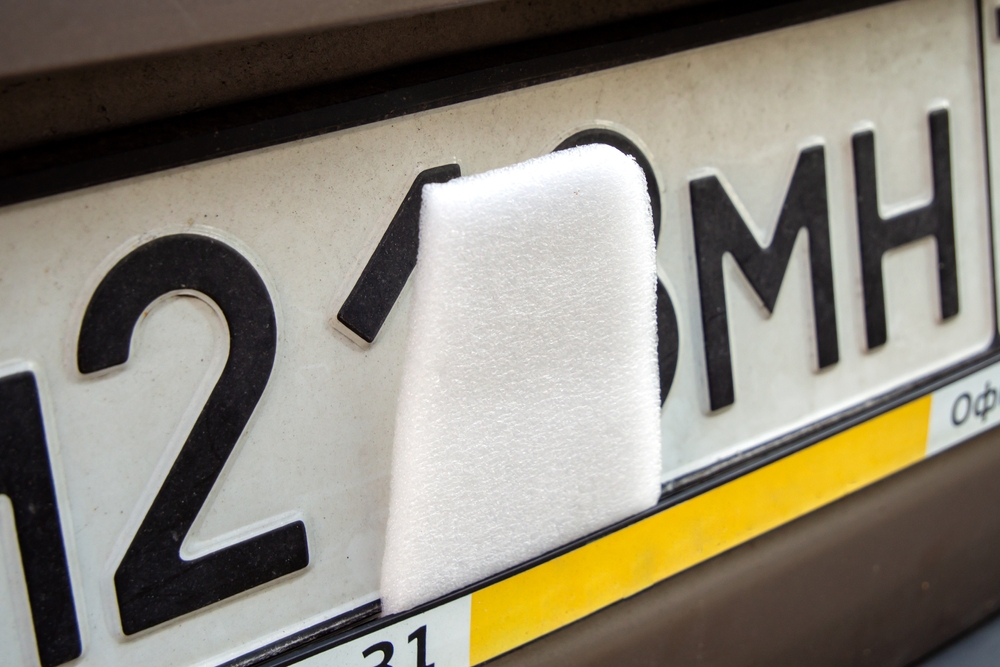
Most drivers know that displaying an illegal number plate can result in a £100 fine. What they don’t realise is that this headline penalty represents merely the tip of the iceberg. Beneath the surface lurk consequences that can cost thousands of pounds, derail vehicle sales, invalidate insurance policies, and even create criminal records that affect employment prospects.
If you’re driving with modified spacing, tinted covers, non-standard fonts, or any other non-compliant plate feature, you’re exposed to a cascade of penalties that extend far beyond a simple fixed penalty notice. Understanding these hidden consequences and taking immediate action can save you from financial and legal complications that persist for years.
Before exploring the hidden impacts, let’s establish the baseline penalties that receive most public attention.
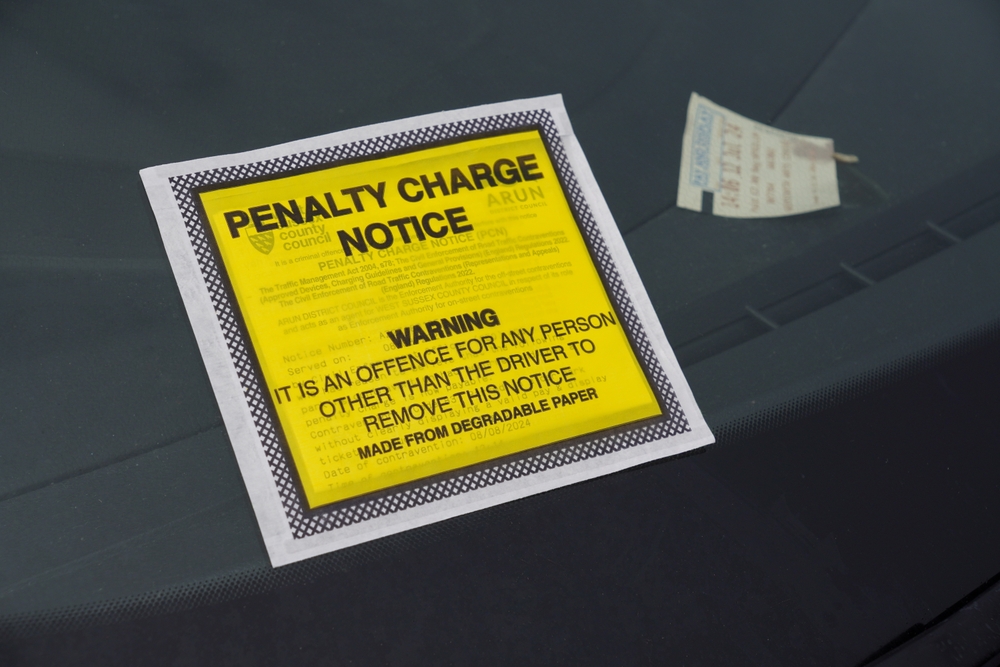
The standard £100 fixed penalty notice for displaying an illegal number plate represents the most common enforcement outcome. Police officers issue these on the spot citations for violations including incorrect spacing, non-standard fonts, tinted or smoked covers, missing British Standard markings, and illegible or deteriorated plates. You typically have 28 days to pay, with the option to contest through official channels.
Alongside the fine, officers often issue a Vehicle Defect Rectification Notice requiring you to fit compliant plates within seven days and provide photographic proof. Failure to comply escalates the matter to court proceedings, potentially resulting in prosecution under the Vehicle Excise and Registration Act 1994.
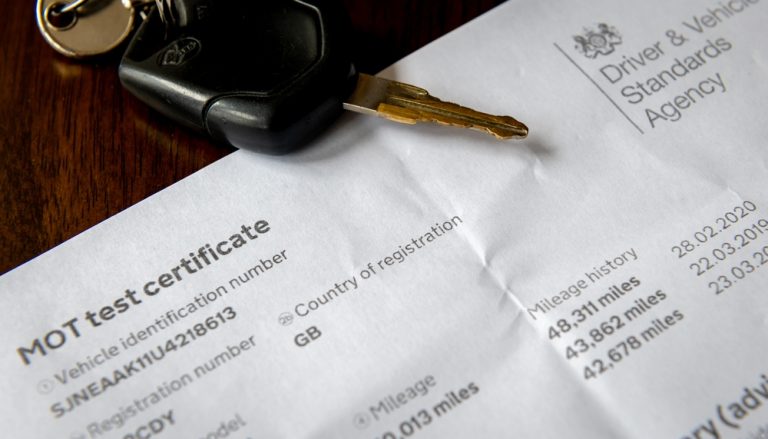
Since 2018, MOT regulations for number plates have tightened considerably. Non-compliant plates now constitute automatic failures, preventing you from legally driving the vehicle until rectified. Why do number plates fail an MOT test? Incorrect spacing, altered fonts, missing markings, and faded number plates all trigger immediate failure.
These penalties, while frustrating, are predictable and relatively contained. The hidden consequences prove far more damaging.
Perhaps the most financially devastating hidden consequence involves your insurance coverage, and most drivers remain completely unaware until they attempt to claim.
Insurance contracts require you to disclose all material facts that might influence the insurer’s assessment of risk. An illegal number plate constitutes a material fact for several reasons. Firstly, it suggests reduced attention to legal compliance generally, indicating potentially higher risk taking behaviour. Secondly, plates designed to obscure registration marks from ANPR cameras suggest possible attempts to avoid detection for motoring offences. Thirdly, non-compliant plates may render your vehicle unidentifiable in hit and run scenarios or after theft.
Under the Insurance Act 2015, insurers can refuse claims or reduce payouts proportionately if you fail to disclose material facts. For deliberate non disclosure, such as knowingly driving with plates altered to avoid speed cameras, insurers may void your policy entirely, leaving you personally liable for all damages and third party costs.
The impact of illegal plates on insurance extends beyond theory. Consider a motorist involved in a serious accident resulting in substantial third party injury claims. If their insurer discovers they were displaying illegal plates at the time, even if the plates had no causal relationship to the accident, the insurer may refuse the claim entirely, arguing the driver failed to disclose a material fact affecting risk assessment.
The driver then faces personal liability for the full amount, potential bankruptcy, and likely court proceedings from injured parties. Even if the insurer agrees to handle the claim, they may reduce the payout substantially depending on the severity of non disclosure, leaving the driver to cover the shortfall personally.
Even if you never claim, being caught with illegal plates affects future insurance. Many insurers ask whether you’ve received any motoring penalties, including fixed penalty notices for plate offences. Answering yes typically results in premium increases, as insurers categorise you as higher risk. Answering no when you have received such penalties constitutes insurance fraud, a criminal offence.
Some insurers refuse to offer cover entirely to drivers with recent plate offence convictions, forcing you into specialist high risk insurance markets with significantly elevated premiums.
Selling a vehicle with a history of illegal plates creates unexpected obstacles that can cost thousands in reduced sale price or failed transactions.
When selling privately, you have a legal obligation under consumer protection law to disclose known defects or legal issues. If you’ve previously received penalties for illegal plates, some legal advisers recommend disclosing this history to avoid subsequent accusations of misrepresentation. This disclosure can prompt buyers to negotiate significant price reductions or withdraw entirely, fearing hidden compliance issues.
Motor dealers conduct increasingly sophisticated pre purchase checks, including DVLA history searches and ANPR database queries. Evidence of previous plate offences raises red flags, prompting dealers to reduce trade in offers or refuse purchase entirely. Dealers must warrant that vehicles they sell meet legal standards. Buying vehicles with illegal plate histories creates liability they understandably wish to avoid.
If your vehicle is financed or leased, using illegal plates may breach your finance agreement. Many contracts require you to maintain the vehicle in road legal condition and comply with all applicable regulations. Breaching these terms can trigger penalty clauses, accelerated repayment demands, or even vehicle repossession.
For individuals considering personalised plate transfers, any history of plate offences complicates the process and may affect the resale value of cherished registrations.
Many motorists assume plate offences represent minor administrative matters with no lasting impact. In reality, serious violations can create criminal records affecting employment and travel.
Simple display of non-compliant plates typically results in civil penalties, fixed penalty notices and rectification orders. However, aggravating factors can elevate matters to criminal prosecution. These include deliberately obscuring plates to avoid speed cameras or ANPR detection, which constitutes perverting the course of justice, a serious criminal offence carrying potential imprisonment. Using false plates or plates registered to another vehicle amounts to fraud. Repeatedly ignoring fixed penalties or rectification notices creates persistent breaches under the Vehicle Excise and Registration Act. Driving without a front number plate after receiving multiple warnings also triggers escalation.
Criminal convictions appear on standard and enhanced DBS checks, affecting employment in sectors requiring clean driving records: delivery drivers, commercial vehicle operators, taxi and private hire drivers, and jobs requiring business travel or company vehicles.
For professionals whose licences require demonstration of good character, including solicitors, accountants, medical practitioners, and financial advisers, criminal convictions for motoring fraud or persistent non compliance can trigger regulatory investigations and potential licence sanctions.
The immediate financial sting of a £100 fine pales compared to the costs of vehicle seizure and recovery.
Police possess powers to seize vehicles for various offences, including those related to number plates. Seizure typically occurs when plates are so severely non-compliant that they prevent ANPR identification, when plates appear deliberately altered to avoid detection, suggesting links to broader criminal activity, when drivers cannot provide proof of insurance, which illegal plates may invalidate, or when drivers accumulate multiple unresolved penalties creating persistent offence patterns.
Seized vehicles are transported to police compounds where daily storage charges accrue. Recovery fees apply, and you cannot reclaim your vehicle until you’ve paid all fees, fitted compliant plates with proof, satisfied outstanding penalties, and demonstrated valid insurance and MOT.
For a vehicle impounded for even a short period, total costs easily reach several hundred pounds before accounting for the original fine and replacement plates. Vehicles not reclaimed within specified periods, usually between two and four weeks, may be sold at auction or scrapped, with owners receiving minimal proceeds after deducting all fees.
While private land clamping regulations have tightened, vehicles displaying illegal plates face additional vulnerability. Some private parking operators specifically target vehicles they cannot trace through DVLA databases, including those with illegible or non-compliant plates, as they assume such drivers are attempting to avoid parking penalties.
For businesses operating vehicles, the consequences of illegal plates multiply exponentially.
Company directors and fleet managers can be held personally liable for ensuring all company vehicles display compliant plates. Corporate vehicles caught with illegal plates may result in prosecution of the business entity, individual directors under corporate manslaughter or health and safety regulations if plate offences contribute to accidents, and significant reputational damage affecting client relationships and tender opportunities.
Fleet insurance policies typically include stricter compliance requirements than personal policies. Discovery that company vehicles display illegal plates may void cover for the entire fleet, not merely the offending vehicles. This creates catastrophic exposure, potentially millions of pounds of uninsured liability across dozens or hundreds of vehicles.
Employees driving company vehicles with illegal plates face personal fixed penalties despite not owning the vehicles. Where employees have modified company vehicle plates without authorisation, they may face disciplinary action including dismissal, alongside personal liability for any resulting business losses.
Owners of imported vehicles or those using specialist plates face unique additional complications.
Imported vehicles often arrive with non UK compliant plates. Failure to fit legal UK plates promptly after importation creates compounding issues: inability to register with DVLA, inability to obtain UK insurance, failure to pass MOT tests, and accumulating daily penalties once the temporary import period expires.
Questions like can you use stick on plates for classic cars or whether square number plates are permissible for certain imports receive frequent attention, but using non compliant solutions creates the full cascade of hidden consequences described here.
Show plates clearly marked “not for road use” serve legitimate purposes for vehicle displays and shows. However, some owners fit these decorative plates to vehicles used on public roads, assuming cosmetic modifications carry minimal risk. In reality, show plates used on roads constitute illegal number plates attracting all standard penalties plus potential charges for knowingly using false plates.

Understanding these hidden impacts is merely the first step. Taking action to prevent or mitigate them is essential.
If you’re currently displaying illegal plates, act immediately following these steps:
Within 24 hours: Remove any covers, accessories, or non-compliant features that can be addressed without full plate replacement. Photograph your vehicle showing current plates for evidence. Order compliant replacement plates from registered suppliers.
Within 7 days: Fit compliant plates. Choose from 2D printed number plates, 3D gel number plates, or 4D plates ensuring all meet DVLA standards. Photograph new compliant plates with dated evidence. Retain all purchase receipts and compliance certificates. For specialist vehicles, ensure you source appropriate formats: bike plates for motorcycles or hex lambo plates for luxury vehicles where compliant options exist.
Within 28 days: Notify your insurance company if you’ve received any penalties, providing evidence of remedial action. Review your insurance policy terms regarding disclosure requirements. Consider whether to contest any penalties received, though focus on achieving compliance rather than fighting justified citations.
A particularly common violation involves tinted covers or smoked plates. These are categorically illegal under UK law regardless of marketing claims. Remove them immediately. They provide no legal benefit and create maximum exposure to hidden consequences.
Beyond initial remediation, establish ongoing compliance habits. Regularly inspect plates for damage, fading, or deterioration. If you notice your number plate keeps falling off, address fixing issues immediately. Consider quality number plate accessories that enhance appearance without breaching regulations.
For those considering future personalisation, questions like can you make your own number plate and register it or can I reserve a future number plate should always be researched through registered suppliers who guarantee compliance.
Certain situations warrant professional legal or specialist advice beyond DIY remediation.
Seek legal advice if you’re facing criminal prosecution for plate related offences, if your insurer has refused a significant claim citing illegal plates as grounds, if your employer threatens disciplinary action or dismissal over company vehicle plate issues, or if you’re involved in complex import situations with multiple regulatory requirements.
For straightforward compliance questions and purchasing replacement plates, contact Number Plate Clinic for guidance on legal options that meet DVLA standards while maintaining your vehicle’s aesthetic appeal.
The visible £100 fine represents only a fraction of what illegal number plates can truly cost you. Insurance invalidation, vehicle sale complications, criminal record implications, seizure expenses, business liability, and ongoing premium loading create cumulative financial and legal exposure potentially reaching tens of thousands of pounds.
Every day you continue displaying non-compliant plates accumulates additional risk. The investment in compliant replacement plates represents trivial expense compared to the catastrophic potential costs outlined throughout this guide. Beyond the financial calculations, there’s the peace of mind that comes from knowing you’re fully legal, properly insured, and protected from the cascade of hidden consequences that catch so many drivers unaware.
Don’t wait for enforcement action to force your hand. Verify your plates meet DVLA standards today, and if they fall short in any way, prioritise immediate replacement. Your financial security, insurance coverage, and legal standing depend on this simple but critical compliance step. The hidden consequences are real, they’re severe, and they’re entirely avoidable through proactive action now.
Extra 10% OFF on Sale Product
Use Code ‘Blog10’