

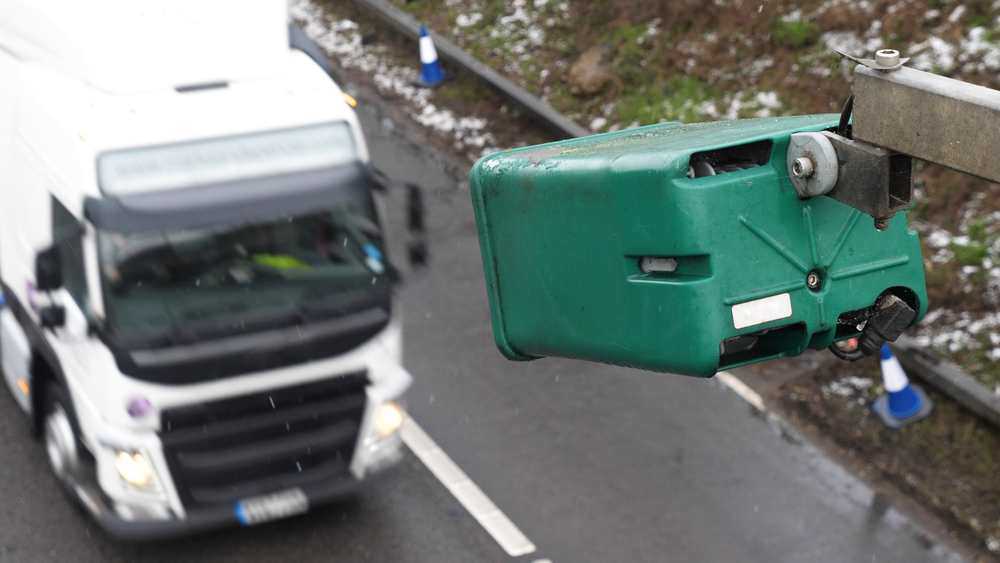
You’re driving through a car park barrier, waiting for it to lift, but nothing happens. Or perhaps you’ve received a parking fine despite paying, because the system didn’t recognise your vehicle. In some cases, drivers discover their number plates aren’t being read by Automatic Number Plate Recognition (ANPR) cameras, leading to frustration, unexpected charges, and even legal concerns.
If you have 2D printed number plates fitted to your vehicle, or you’re considering switching to this style, it’s natural to wonder whether they work reliably with ANPR systems. The good news is that properly manufactured, compliant 2D plates should be read accurately by ANPR cameras. When problems do occur, they’re usually caused by specific issues, many of which you can identify and fix.
In this guide, we’ll explain how ANPR technology works, why readability problems happen, what the consequences might be, and most importantly, what you can do to ensure your plates are always recognised correctly.
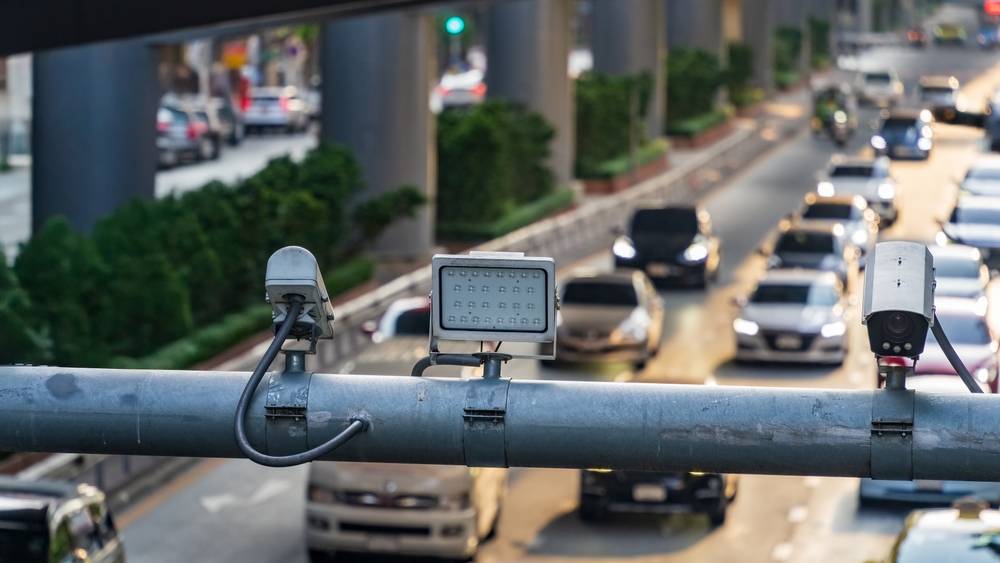
ANPR (Automatic Number Plate Recognition) uses cameras and specialised software to capture images of vehicle registration plates and convert them into readable text data. The technology is widespread across the UK, used by:
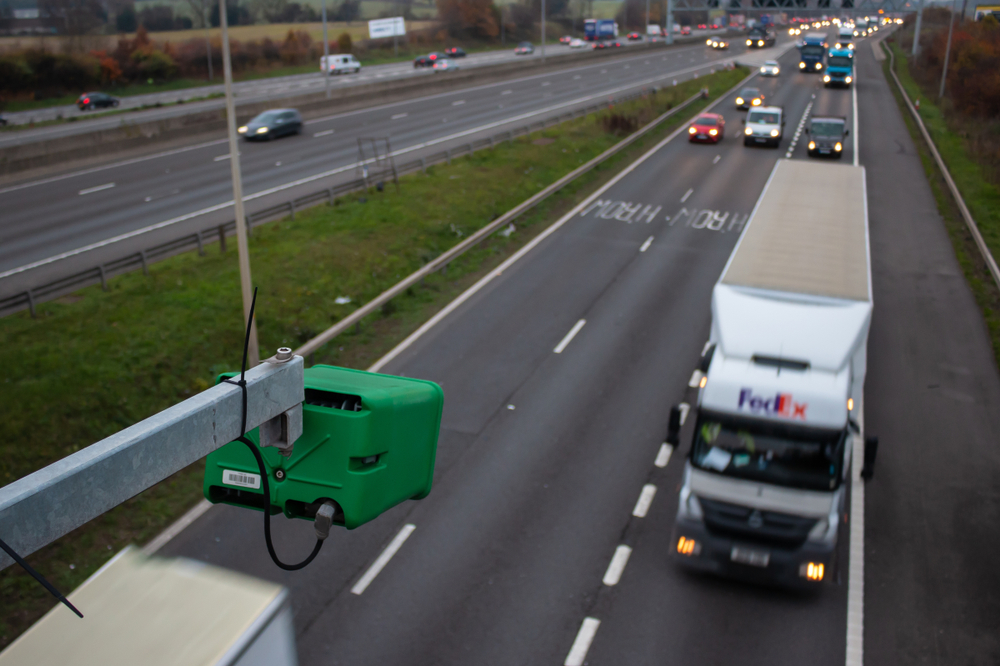
When a vehicle passes an ANPR camera, the system takes a high resolution photograph, identifies the area containing the number plate, and uses optical character recognition (OCR) software to extract the registration number. This happens in a fraction of a second.
For the system to work effectively, the plate must be clearly visible, properly lit (either by ambient light or infrared illumination), and meet specific standards for character size, spacing, and reflectivity. 2D plates are designed to meet these requirements when manufactured to British Standards.
When ANPR systems fail to read a plate, whether it’s 2D, 3D, or any other style, it’s usually down to one or more of the following issues.
Incorrect Character Spacing or Sizing
If your plate was manufactured with characters that are too small, too close together, or unevenly spaced, ANPR software may struggle to distinguish individual letters and numbers. This is why British Standard BS AU 145e specifies exact dimensions: 79mm character height for cars, with precise spacing requirements.
Non compliant plates, including some illegally modified plates or show plates that shouldn’t be used on public roads, often have these spacing issues.
Poor Reflectivity
Number plates must be retroreflective, meaning they reflect light back towards its source. This is crucial for ANPR cameras, many of which use infrared illumination. If your plate’s reflective surface has degraded, been damaged, or wasn’t properly manufactured, cameras may not capture a clear image, especially at night or in low light.
Cheap, non compliant plates or plates that have been fitted for several years without replacement may suffer from reflectivity loss.
Dirt, Grime, and Damage
Mud, road salt, snow, or general dirt buildup can obscure characters and reduce reflectivity. Similarly, cracks, scratches, or fading can make plates harder for cameras to read, even if they were compliant when new.
This is why regular cleaning and inspection matter. If you’ve experienced plate damage, our guide on what to do if your number plate falls off can help with next steps.
Non Standard Fonts or Illegal Modifications
Some aftermarket plates use altered fonts, italicised text, or decorative borders that don’t meet DVLA regulations. While these might look stylish, they confuse ANPR software and are illegal for road use. Stick to the standard Charles Wright font specified in British Standards.
Camera Angle and Positioning
ANPR cameras are typically positioned to capture plates at specific angles. If your plate is fitted at an extreme angle, recessed deeply into a bumper, or obscured by a tow bar or bike rack, the camera may not get a clear shot.
For vehicles with unusual bumper configurations or tight mounting spaces, short number plates or specialist formats like hex Lambo style plates should still meet dimensional standards even if they’re physically smaller.
Lighting Conditions and Weather
Heavy rain, fog, snow, or direct sunlight can all reduce ANPR effectiveness temporarily. While you can’t control the weather, ensuring your plates are clean and highly reflective improves the chances of successful reads in poor conditions.
Camera Calibration and Maintenance
Sometimes the issue isn’t your plate at all. It’s the camera system. Poorly maintained or miscalibrated ANPR equipment can fail to read even perfectly compliant plates. This is more common in private car parks than with police or local authority systems, which are typically well maintained.
If ANPR cameras consistently fail to read your number plate, you may face several issues:
Many car parks use ANPR to track entry and exit times, automatically linking your registration to payment systems. If the camera can’t read your plate:
Most parking operators allow you to input your registration manually as a backup, but this defeats the purpose of automated systems and can still lead to errors.
Police use ANPR for enforcement and crime prevention. If your plate can’t be read:
While having a 2D printed number plate that’s manufactured correctly shouldn’t cause these issues, it’s worth understanding the risks if your plate is damaged, dirty, or non compliant.
In extreme cases, fitting illegal or heavily modified plates could:
These scenarios are rare with genuine, compliant 2D plates from registered suppliers, but they highlight why compliance matters.
You don’t need specialist equipment to test whether your number plate is likely to work with ANPR cameras. Here’s a simple checklist:
Visual Inspection:
Reflectivity Test:
Real World Testing:
If your plate fails any of these checks, it’s time to consider replacement.
If you’ve identified readability issues, here are your immediate options:
Clean your plates thoroughly: Use warm soapy water and a soft cloth to remove dirt, grime, and road salt. Avoid abrasive cleaners that could scratch the reflective surface. Regular cleaning should be part of your vehicle maintenance routine.
Check mounting and positioning: Ensure plates are securely fitted, not obscured by accessories, and positioned as vertically as possible. Remove any plate frames or covers that might interfere with camera visibility.
Inspect for damage: If you notice cracks, deep scratches, or fading, cleaning won’t help. You’ll need a replacement.
Replace your number plate if:
Replacing a damaged or non compliant plate is straightforward and affordable, far less costly than accumulated parking fines or enforcement penalties.
If you need new plates, here’s what to look for:
British Standard Compliance:
Ensure plates meet BS AU 145e and display the required markings. All plates from registered suppliers like Number Plate Clinic are manufactured to this standard.
Quality Materials:
Look for high grade retroreflective acrylic with UV resistant inks. Quality materials ensure longevity and consistent ANPR readability.
Registered Supplier:
Only buy from suppliers who verify your entitlement and follow DVLA rules. We cover the full verification process in our guide on what documents you need to buy 2D number plates.
Correct Sizing:
Standard plates are 520mm × 111mm for cars. If your vehicle has limited space, check whether you qualify for smaller dimensions. See our article on smaller 2D number plates for guidance.
You can search for your registration and order compliant plates through our shop, with fast turnaround and delivery across the UK.
This is a common concern, but the evidence doesn’t support it. When manufactured correctly, 2D printed number plates perform just as well as 3D gel plates or traditional embossed plates with ANPR systems.
The key difference isn’t the manufacturing style. It’s compliance with British Standards. A non compliant 3D plate will cause just as many problems as a non compliant 2D plate. Similarly, a compliant 2D plate from a registered supplier will be read accurately by ANPR cameras.
For context on how different plate types compare, see our explanation on whether pressed metal plates are classed as 2D plates.
The bottom line: focus on compliance and quality, not just plate style.
Will 2D plates always work with ANPR cameras?
Compliant 2D plates manufactured to British Standards should work reliably with ANPR systems. Problems typically arise from damage, dirt, or non compliant manufacturing, not from the 2D style itself.
Can I contest a parking fine if the ANPR system failed to read my compliant plate?
Yes. If your plate meets all legal requirements and the failure was due to camera malfunction or poor maintenance, you can appeal. Provide photographic evidence of your plate’s condition and compliance markings.
How often should I replace my number plates?
There’s no fixed replacement schedule, but inspect plates annually for wear. Replace immediately if you notice fading, cracks, or reduced reflectivity. Most quality plates last five to seven years with normal use.
Do I need special plates for ANPR systems?
No. Standard British Standard compliant plates work with ANPR. You don’t need specialist “ANPR friendly” plates, just properly manufactured, clean, and well maintained standard plates.
ANPR cameras are an everyday part of UK driving, and having plates that work reliably with these systems saves frustration, time, and money. The vast majority of readability issues stem from damaged, dirty, or non compliant plates, not from the 2D plate style itself.
If you’re experiencing ANPR problems, start with a thorough inspection and cleaning. If your plates show signs of wear or don’t meet British Standards, replacing them is a simple, affordable solution that restores full functionality and keeps you compliant.
At Number Plate Clinic, we manufacture every plate to BS AU 145e, using quality materials and precise processes that ensure ANPR reliability. If you’re unsure whether your plates need replacing, or you’d like advice on the best option for your vehicle, our team is here to help. Just get in touch. We’re always happy to answer your questions.

Extra 10% OFF on Sale Product
Use Code ‘Blog10’