
If you’re considering personalised number plates, you might have heard that certain combinations get banned by the DVLA. This can be confusing, especially when you see similar registrations on the road without any issues.
First, let’s clear up a common misunderstanding. When we talk about 4D plates, we’re referring to the style of the plate itself, with raised laser cut acrylic characters. The 4D style is perfectly legal when made to British Standard.
What gets banned is specific registration combinations, regardless of whether they’re displayed on 2D printed plates, 3D gel plates or 4D plates. The DVLA reviews new registrations twice a year and removes any that could cause offence or be considered inappropriate.
In this guide, we’ll explain how the DVLA decides which plates to ban, give you examples of what gets stopped and what doesn’t, and show you how to check a registration before you buy.
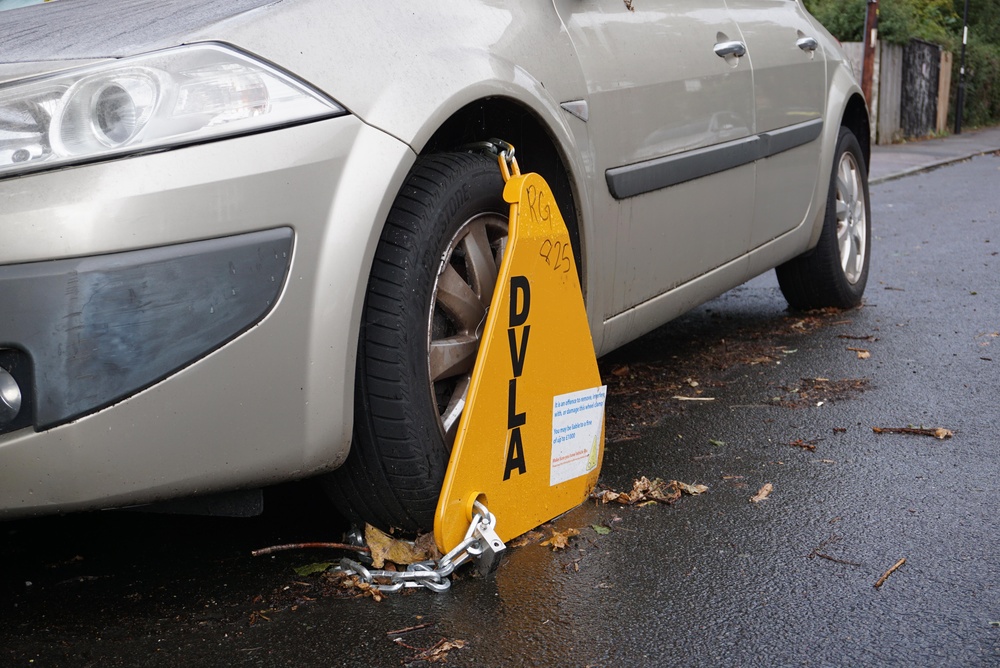
The DVLA maintains a suppression list of registration combinations that cannot be issued or transferred. This list is reviewed every six months by a team who assess new registrations against strict criteria.
Plates can be banned for several reasons. The most common include combinations that reference offensive words, make light of serious issues, suggest illegal activities, or could be considered racist, sexist or otherwise discriminatory.
The DVLA takes a cautious approach. Even if a combination only hints at something inappropriate when letters and numbers are misread or spaced creatively, it may be suppressed.
Understanding DVLA regulations of 3D 4D number plates helps you see that legal requirements cover both the physical plate construction and the registration combination itself.
For context on enforcement, see our guide on do 4D plates attract more police attention. While legal 4D style plates don’t attract problems, inappropriate combinations certainly do.
The DVLA publishes general guidance but doesn’t release the full suppression list. This prevents people from deliberately targeting borderline cases or trying to work around the rules.
Common reasons for banning include:
Offensive language: Any combination that clearly spells or suggests swear words, insults or vulgar terms. This includes using numbers to substitute letters, such as using 5 for S or 1 for I.
References to illegal activities: Plates that hint at drug use, violence or criminal behaviour. Even seemingly innocent combinations can be banned if they’re commonly associated with illegal content.
Discriminatory terms: Anything that references race, religion, gender, sexuality or disability in a derogatory way. The DVLA has a zero tolerance policy on discrimination.
Sensitivity around serious issues: Combinations that make light of death, disease, war or tragedy. For example, registrations that could reference September 11 attacks or well known disasters are typically suppressed.
Misleading formats: Plates that might be confused with official vehicles, such as those suggesting police, ambulance or government use.
The rules apply whether you’re buying a brand new registration from the DVLA or transferring an existing private plate. If the DVLA believes a combination could cause offence, it will be refused or withdrawn.
You might spot plates on the road that seem borderline or even clearly inappropriate. This happens for a few reasons.
Some combinations were issued years or decades ago, before the DVLA tightened its review process. Older plates may remain in circulation simply because they pre date current standards.
Other combinations are genuinely innocent but look questionable when certain letters or numbers are misread. The owner may have no intention of causing offence, and the DVLA judged the combination acceptable at face value.
Finally, some drivers illegally alter the spacing, font or layout of their plates to create offensive words from otherwise innocent combinations. This is a separate offence and can result in fines, penalty points or the plate being withdrawn. For more on this, see what happens if you drive without a front number plate, which covers broader plate compliance issues.
If you spot a plate you believe is offensive, you can report it to the DVLA. They’ll review the registration and may withdraw it if they agree it breaches guidelines.
The safest approach is to check a registration thoroughly before purchasing. Here’s a practical checklist.
Pre purchase checklist:
Some private plate dealers offer pre purchase vetting. They’ll review the combination against DVLA criteria and flag potential issues before you commit. This service can save you from losing money on a refused registration.
You should also check how to check if your 4D plates are insurance compliant, since insurers may have their own rules about personalised plates.
For company vehicles, read are 4D plates allowed on company cars to understand employer policies alongside DVLA rules.
To help you understand where the DVLA draws the line, here are some general examples based on publicly available guidance.
Typically banned:
Combinations that clearly spell profanity, even with number substitutions. Registrations that reference illegal drugs or drug culture. Plates that could be read as offensive slang or insults. Anything that mocks serious tragedies or sensitive historical events.
Usually allowed:
Combinations that spell innocent words, names or phrases. Registrations that match initials and birth years. Plates that reference hobbies, interests or professions in appropriate language. Numbers or letters that coincidentally resemble words but have no offensive intent.
The key difference often comes down to intent and interpretation. If a reasonable person could see the combination as offensive, it’s likely to be banned.
For high value or rare plates, the stakes are higher. If you’re considering an expensive purchase, professional vetting is strongly recommended. To get a sense of what collectors pay for premium registrations, see the 10 most expensive private number plates ever sold in the UK.
If you apply to transfer a registration and the DVLA refuses it, you’ll receive a letter explaining the decision. In most cases, you can request a refund of the transfer fee, though the initial purchase price of the registration itself may not be refundable depending on where you bought it.
If you already own a plate that the DVLA later decides to suppress, they’ll write to inform you. You may be offered a replacement registration at no extra cost, and in some cases, a partial refund.
You do have the right to appeal. Appeals are reviewed by a senior team at the DVLA who will reconsider the decision. However, success rates are low unless you can demonstrate clear evidence that the registration is innocent and the DVLA’s interpretation was unreasonable.
If appealing, include:
The appeal process can take several weeks. During this time, you won’t be able to use the registration on your vehicle.
If your appeal is unsuccessful and you disagree with the outcome, you can escalate to the Independent Case Examiner or seek legal advice. However, most drivers find it easier and cheaper to choose a different registration.
The best way to avoid a banned plate is to think carefully before purchasing. Here are some practical tips.
Choose registrations that clearly represent your name, initials, a meaningful date or a straightforward word. Avoid anything that relies on creative spacing, unusual fonts or number substitutions to make sense. The more obvious and innocent the combination, the less likely you’ll face issues.
Buy from reputable dealers who offer guarantees and vetting services. Check reviews and ask about their refund policy if the DVLA refuses a transfer.
If you’re buying a plate as a gift, double check that the recipient will appreciate it and that it won’t cause them embarrassment or legal problems.
Remember that fashion and language change over time. A combination that seems harmless today might be viewed differently in a few years. Choose something timeless and unambiguous.
For drivers considering whether plates suit their vehicle, see are 4D plates worth it for older cars for guidance on matching plate style to vehicle age and type.
Once you have an approved registration, make sure it’s displayed correctly. This means using road legal 4D acrylic plates that meet British Standard BS AU 145e.
Illegal spacing, altered fonts or tinted covers can turn a legal registration into a compliance issue. Police can issue fines, remove the plates or require you to fit compliant replacements.
For technical detail on how plates interact with enforcement systems, see the science behind 4D plates and their interaction with speed cameras.
If you need plates in specific regions, we serve customers across the UK, including Coventry, Leicester, Sheffield, Bradford, Edinburgh, Belfast, Northern Ireland, Dundee, Doncaster, Shrewsbury, Nottingham, Oldham, Southampton, Blackpool and Falkirk and Stirling.
Wondering does Halfords do 4D plates? We compare high street options with specialist suppliers.
We also offer bike plates, square plates, hex Lambo plates, show plates and a full range of number plate accessories.
The DVLA bans certain number plate combinations to prevent offence and maintain standards. Whether you display them on 4D style plates or any other format, inappropriate registrations will be refused or withdrawn.
The key to avoiding problems is simple: choose a registration that’s clearly innocent, check it thoroughly before buying, and display it on compliant plates using correct spacing and fonts.
If you’re unsure about a combination, ask for professional advice or use a vetting service before committing. A little caution upfront can save you from costly mistakes or embarrassment down the line.
Need help choosing or checking a registration? We’re happy to advise. Get in touch with any questions.
Choose wisely, stay compliant, and enjoy your personalised registration with confidence.
Extra 10% OFF on Sale Product
Use Code ‘Blog10’