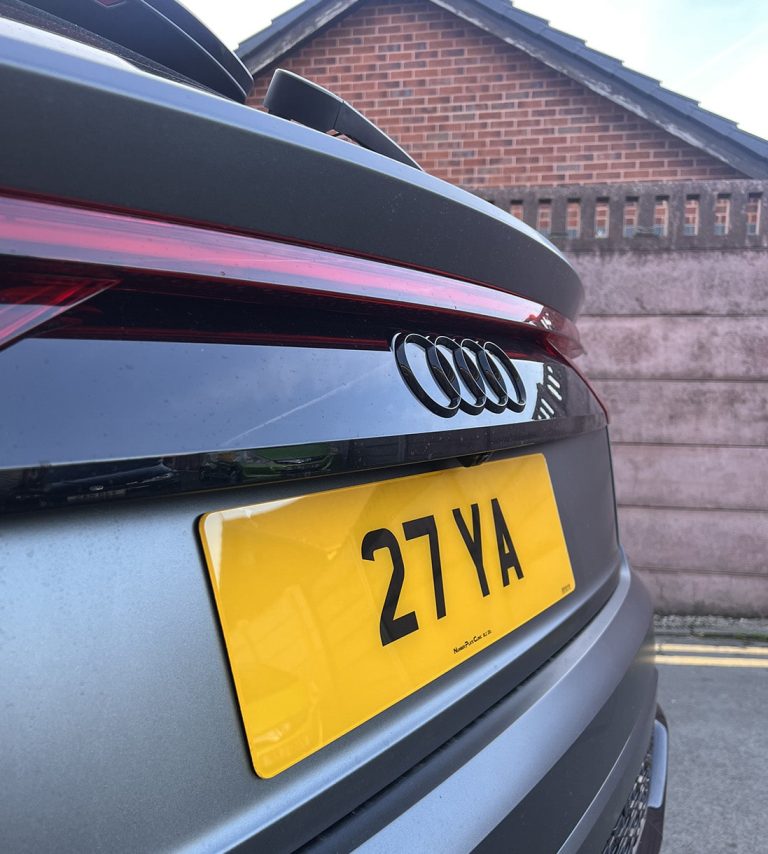
The 10 most frequently asked questions about UK classic car number plates
1. What are classic car number plates in the UK?
Classic car number plates in the UK are unique identification markers reserved for vintage vehicles that are at least 40 years old. These plates, with their black background and silver text, lend a touch of historical authenticity and aesthetic appeal to old vehicles. They are a bridge connecting modern cars to the past.
Contact us to order your vintage plates call us on 0777 444 55 16 or email:- info@numberplateclinic.co.uk
2. What are the types of classic car number plates in the UK?
There are two main types of classic car number plates in the UK:
– Pre-1963 Number Plates
These plates, also known as “pre-63” plates, feature a white background with black letters and numbers. They are highly sought-after by classic car enthusiasts due to their rarity, as fewer cars from before 1963 remain on the roads. Their age and scarcity make them historically significant. Pre-63 plates can command very high prices at auction.
– Post-1963 Number Plates
These plates, commonly referred to as “post-63” plates, have a black background with silver letters and numbers. Post-63 plates are more readily available than the pre-63 variety since more cars from the late 1960s onward still exist. They offer classic car owners a more affordable way to add a touch of vintage flair. However, well-preserved post-63 plates still have good resale value.

3. What are the eligibility criteria for displaying classic car number plates in the UK?
To legally display classic car number plates in the UK, strict eligibility criteria must be met:
- Vehicle Age: The vehicle must be at least 40 years old to qualify for the use of these plates. No exceptions to this rule are permitted.
- Original Condition: The vehicle is expected to be in largely original form, maintaining most of its historical integrity to be considered a true classic car. Significant modifications could jeopardise eligibility.
- Valid MOT Certificate: A current MOT certificate is mandatory, demonstrating the vehicle’s continued roadworthiness and active status. Outdated or failed certificates will need to be renewed before plates are permitted.
- Insurance Coverage: Comprehensive insurance coverage specific to the use of a classic or antique car is legally required. Standard insurance may not provide adequate protection.
Strict adherence to these criteria ensures the preservation of automotive history. The regulations safeguard vintage cars and prevent abuse of classic plates. Owners must renew proper documentation annually.
4. How can I acquire classic car number plates in the UK?
Classic car number plates can be obtained through various channels if you own a qualifying vehicle:
- Online Retailers – Numerous online sellers offer classic plates for sale via speciality websites focused on collectable number plates. These retailers have a wide variety of plates to peruse.
- Classic Car Shows and Auctions – Events focused specifically on vintage motors are an excellent place to find plates for sale from various third-party sellers and private owners. The atmosphere of these events also adds to the nostalgia.
- Private Sellers – Checking classified ads online or in speciality print publications may lead you to private individuals looking to offload their unused classic number plates. Exercise caution and carefully validate any plates you purchase through private sales.
- DVLA Registration – In some instances, owners of qualifying vehicles can apply to the Driver & Vehicle Licensing Agency for personalised classic number plates. However, availability is tightly restricted.
Cast a wide net across these channels to locate your preferred design at a fair price. Having patience usually pays off.
5. What factors influence the cost of classic car number plates in the UK?
A wide range of factors impacts how much you can expect to pay for classic number plates:
- Plate Type – As covered previously, the pre-1963 plates are far less common than the post-1963 variants, making them much pricier on the open market. Their rarity drives higher auction bids.
- Vehicle Age – Plates destined for the UK’s oldest roadworthy classic cars tend to achieve higher sale prices. The most coveted plates often go to vintage cars from the 1920s or 30s.
- Plate Condition – A pristine plate in “show quality” condition with minimal wear or defects will trade for more than one that exhibits considerable pitting, corrosion or damage. Proper care adds value.
- Personalisation – Plates featuring a unique slogan, name, location or special date typically sell for more. Vanity plates have extra appeal to some collectors.
In rare instances, these factors combine to push certain show-quality plates over £100,000 at auction if multiple enthusiastic bidders take interest!
6. What are the legal considerations for using classic car number plates in the UK?
To avoid any issues with the authorities, keep these laws and regulations around classic number plates in mind:
- Eligibility Rules – As outlined already, your vehicle must meet the stringent age, condition and documentation prerequisites to qualify for use of these plates. Violations can yield severe penalties.
- Display Regulations – It is illegal to show anything but your official plates when driving on public roads. Plates must be cleanly attached and clearly legible according to the prescribed formatting standards. Obstructing the plates can incur fines.
- Vehicle Restrictions – Large goods vehicles over 3 tons, motorcycles and certain other vehicles are prohibited from utilising classic number plates according to DVLA rules. Consult their guidelines for specifics.
- Remain mindful that the DVLA oversees all regulations pertaining to official number plates. Keep your qualifying vehicle properly registered and insured at all times.
7. What are the benefits of using classic car number plates?
Opting to add classic car number plates to your eligible vehicle offers several advantages:
- Enhanced Authenticity – More than any other accessory, iconic plates boost the period-correct look and spirit of vintage automobiles. That heightened sense of historical accuracy is invaluable to enthusiasts.
- Personalised Touches – Choosing a custom plate with special meanings adds a layer of individuality and self-expression for collectors to enjoy.
- Preserved Heritage – Retaining these plates on the road helps conserve UK’s rich motoring history for future generations to witness firsthand.
- Increased Asset Value – Documented investment-grade plates bolster lucrative resale prices for properly preserved classic vehicles. Like fine art, coveted plates appreciate over decades.
Beyond these tangible benefits, utilising era-appropriate plates simply enhances pride and emotional connection for collectors by reviving nostalgia from the past.
8. What are the potential drawbacks of using classic car number plates?
Despite their immense appeal among enthusiasts, classic plates do come with a few disadvantages to consider as well:
- Cost – As collectible artefacts , these plates command premium pricing in line with fine antiques and artworks. Budgeting for the expense is wise before setting your heart on coveted plates. Rare plates often sell at auction for five-figure sums.
- Limited Availability – Since surviving plates over 60 years old are relatively uncommon, acquiring exact designs can involve long searches and wait lists. Flexibility helps when dealing with limited supplies.
- Legal Requirements – Strict registration laws for age, condition and insurance must remain satisfied or else privileges can get revoked. This limits plates to genuinely preserved classics rather than modern Daily Drivers.
- Restricted Use – Outside of car shows and occasional leisure outings, many collectors are wary of adding excessive mileage that could degrade their prized vintage vehicle and plates over time.
9. How can I ensure I am purchasing authentic classic car number plates?
To safeguard against counterfeits or replicas when procuring classic number plates, adopt these best practices:
- Buy from Established Sellers – Seek out highly regarded suppliers like Christie’s or recognised clubs like the RREC that deal exclusively in guaranteed original plates. Avoid unverified sellers.
- Review Documentation – Request copies of any paperwork documenting the full chain of custody for the plates back to their initial vehicle assignment over 40 years prior. Crosscheck records for consistency.
- Inspect Plates Thoroughly – Carefully examine plates in person before purchase whenever feasible. Look for proper materials, manufacturing methods and weathering consistent with different eras. Each detail must align.
- Confirm Registration Transfer – Review the process to legally transfer the plates’ vehicle assignment into your name. This may involve contacting the DVLA directly for guidance after purchase to avoid problems.
Undertaking careful due diligence eliminates doubt and helps ensures your prized classic number plates are utterly authentic artefacts.
10. What is the future outlook for classic car number plates in the UK?
Given the longstanding passion for automotive history residing in the UK, the demand for scarce classic car number plates shows no signs of abating among collectors anytime soon. If anything, as iconic heritage models from Jaguar, Bentley, Rolls Royce and others accelerate in value worldwide, appetite for period accessories like vintage plates continues gaining momentum as well. Even contemporary premium vehicles are starting to adopt the classic black and silver designs on European plates.
However, with finite supplies, costs may increasingly put the rarest plates out of reach for casual enthusiasts over time. Prudent collectors remain vigilant of tightening regulations as well. But well-preserved plates of any era will always have appeal across Britain’s thriving classic car culture.
Browse our collection of number plate designs, or for more information, call us on 0777 444 55 16 or email:- info@numberplateclinic.co.uk
Check Out our YouTube
Trustpilot