


[vc_row][vc_column][vc_column_text]Custom number plates are hugely popular, and the technology is improving fast! So who do you need to tell about your new 4D number plates? Do you have to declare them to your insurance? Let’s take a look in more detail.

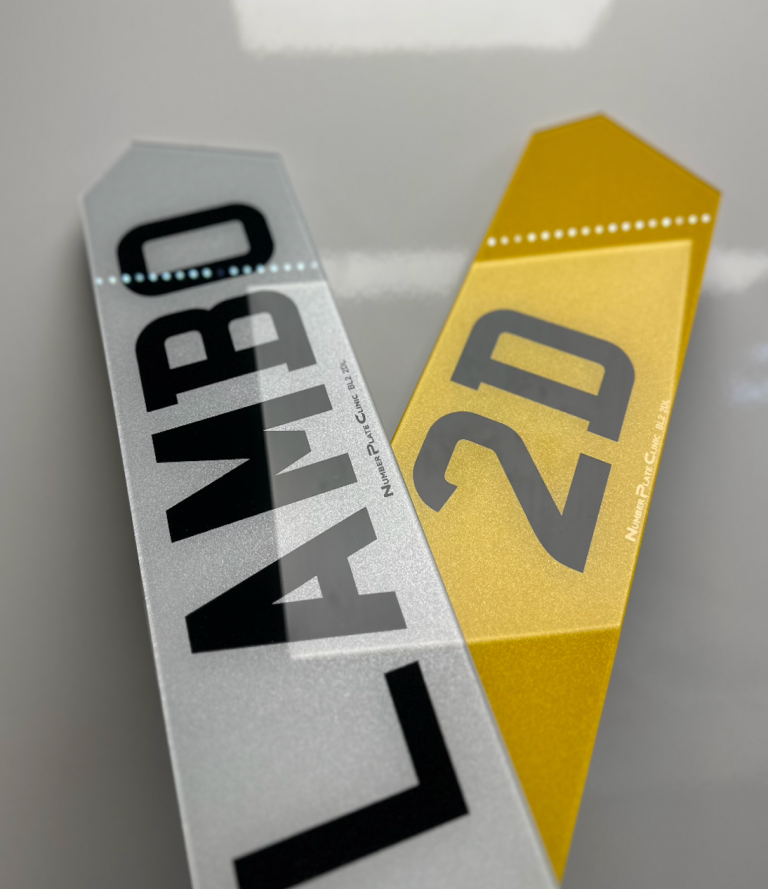
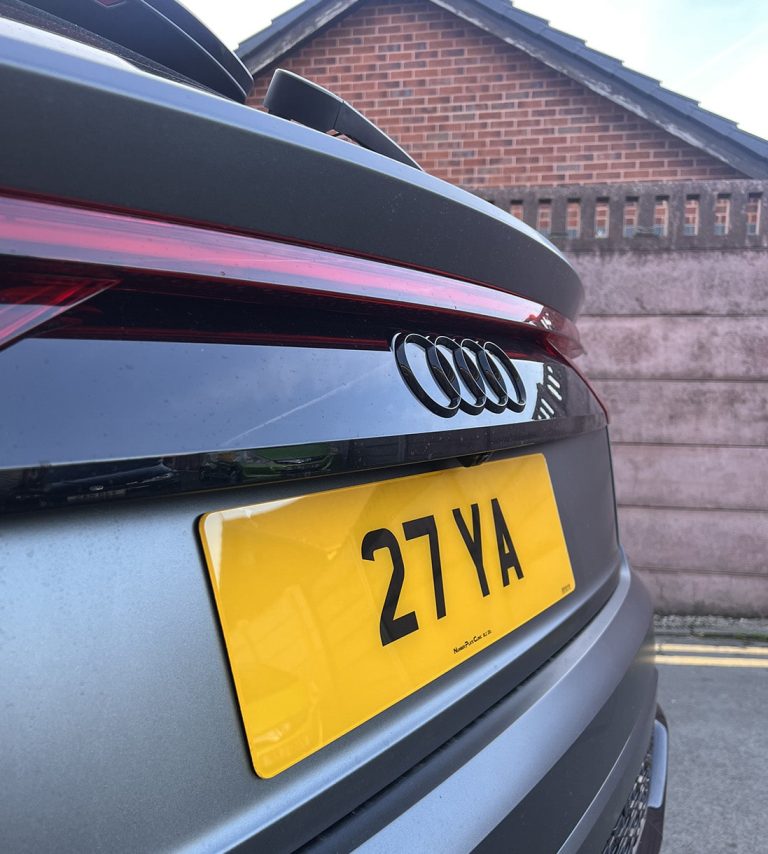
4D number plates are a type of vehicle licence plate that utilises raised characters made from a special material, typically acrylic, allowing for a unique three-dimensional effect. The term “4D” is used to describe the depth perception created by the raised characters, giving them a more striking and unique appearance compared to traditional flat licence plates.
4D number plates are popular among vehicle owners for their unique appearance and customization options. The raised characters of 4D plates create a three-dimensional effect, setting them apart from traditional flat licence plates and appealing to those seeking to personalise their cars or motorcycles and express their personality and style preferences through their licence plates.
Beyond aesthetics, 4D plates are perceived as exclusive accessories, adding a touch of sophistication and status to vehicles. Despite their distinctive appearance, 4D plates must comply with legal standards for visibility and legibility. When properly manufactured and installed, they maintain adequate visibility and legibility, ensuring compliance with regulations while still offering a unique look.
Whether as a statement of personal style or a way to stand out on the road, 4D number plates continue to attract attention and admiration from vehicle owners looking to enhance the visual appeal of their vehicles.
Getting a 4D number plate is a simple process, but you must ensure you buy your number plate from an approved supplier in the UK to ensure it meets the specifications set out by the DVLA.
Once you’ve found a registered supplier that complies with the relevant regulations and standards, you can choose your custom plate. You cannot choose different fonts or colours as there are strict regulations regarding these aspects of number plate design, however, you can choose a personalised number plate and the material to make your plate 3D, 4D, or sometimes even 5D. But more on that later…
When you order your number plate, you’ll need to provide several documents, including:
If you’ve ordered your custom 4D number plate online, you’ll need to take it to a garage to have it properly fitted to ensure you don’t lose the plate. Otherwise, you can go to pick up your new 4D number plate when it’s ready and the manufacturer should be able to fit it for you.
If you’ve changed the licence number you’ll need to inform the DVLA of the number plate change; you may also have to inform your insurance of your new number plate.
 Your car insurance company needs very specific information about your vehicle to accurately assess risk and provide appropriate coverage. Here’s what they typically need to know:
Each of these factors can affect the safety and risk attached to your car as well as being crucial for identification purposes and informing your insurance of when expensive car parts need replacing, so it’s important you provide your insurance company with accurate detailed information.
4D plates are a cosmetic feature so some insurance companies may require you to declare it if it significantly increases the value of your vehicle, for example, however, it’s not commonly a requirement. When changing your number plate to a 3D or 4D plate, it’s best to check with your insurer in case, as, although it’s unlikely they’ll need to know, it’s better to be safe than sorry.
Failure to disclose relevant details about your car could result in coverage gaps or policy cancellations, so it’s essential to be honest and thorough when providing information to your insurer.
In the UK, licence plates must adhere to certain standards regarding font, size, spacing, and visibility of characters. This ensures that they are easily readable by automatic number plate recognition (ANPR) cameras used for law enforcement and vehicle identification.
If 4D plates meet these requirements and are manufactured by reputable suppliers, they are perfectly road legal. However, it’s crucial to ensure that any modifications, regarding the plate size or characters comply with the relevant regulations. Non-compliant plates could result in penalties such as fines and the rejection of a vehicle’s MOT (Ministry of Transport) test.
To make sure you’re on the right side of the law, you should purchase 4D number plates from reputable suppliers who guarantee that their products meet legal standards.

Insurance companies in the UK want to be able to assess the safety and risk of a vehicle – their role is to protect those who are involved in road incidents, while still making money. So insurers will want to assess in detail any risks of damage or theft related to your vehicle before giving you a quote.
Therefore, they’ll have strict rules on letting them know when you make any modifications to the standard specification of your vehicle so that they have an accurate record of the parts featured on your car (should they need replaced in the event of an insurance claim) and to accurately reflect the value of your vehicle with these modifications present.
If you customise your vehicle in any way, you should check with your insurer how much detail they need, as customisations can greatly increase the value of your vehicle which may impact the risk of theft or wrongdoing. They may not need to know small changes, but it’s best to check to avoid any complications.
For personalised number plates, you will have to inform the DVLA and your car insurance company of the change.

Many of us think of images, shapes or cinema when we come across the terms 2D, 3D and 4D, so trying to understand how number plates can have that effect can be a little confusing.
2D plates are standard number plates across the world with the characters flat against the background. 3D and 4D plates have raised characters against the plate, and so are more similar. 3D number plates usually use gel resin for the characters, so while they’re raised against the background, they have smoother, rounded edges and don’t create a shadow. 4D number plates, on the other hand, stand further out with solid acrylic, squarer characters that create a shadow on the number plate.
Both 3D and 4D number plates are road legal, as long as they adhere to other number plate specifications.
So what are 5D plates? Well 5D number plates are not very common, but it’s natural for each step of customisation to go bigger, bolder and better. 5D number plates have a layer of solid acrylic (like 4D characters) but are finished with a domed gel (as in 3D characters), creating an even larger and eye-catching appearance.
3D, 4D and 5D number plates can be available as show plates if you want something special for taking your vehicle to car shows, for example, but they’re also perfectly legal if you want to enhance your vehicle’s appearance on the road.
If you want a new number plate from a registered manufacturer in the UK, look no further than the Number Plate Clinic! With our excellent customer service, our experts in our workshop and our brilliant affiliate program where you can make money simply by advertising us, we’re ahead of the game in the world of custom plates.
Check out our terms and conditions, refund policy and privacy policy for more information.[/vc_column_text][/vc_column][/vc_row]