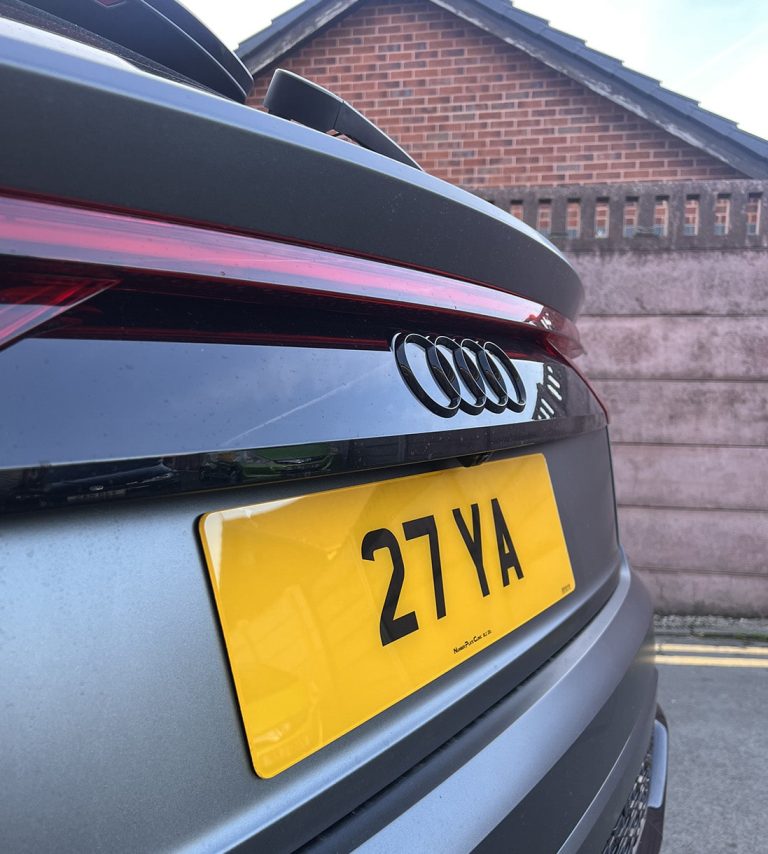

[vc_row][vc_column][vc_column_text]How much road tax will electric cars pay in 2025, and is it something to be worried around? We will explore everything you need to know.
If you are thinking of buying an EV in the UK, you are going to be asking yourself one very important question: how much road tax will electric cars pay in 2025? Are you going to be paying more for a bar with the green strip on the EV number plate, or is this something that you shouldn’t be worrying about?
With rules and guidance always altering as time goes on, it’s important to stay on top of all the changes if you don’t want to be caught out. Unfortunately, road tax for electric cars is one of the things that will be changing in 2025. But, what is the difference, and what do you need to do about it? We’re going to cover everything you need to know.
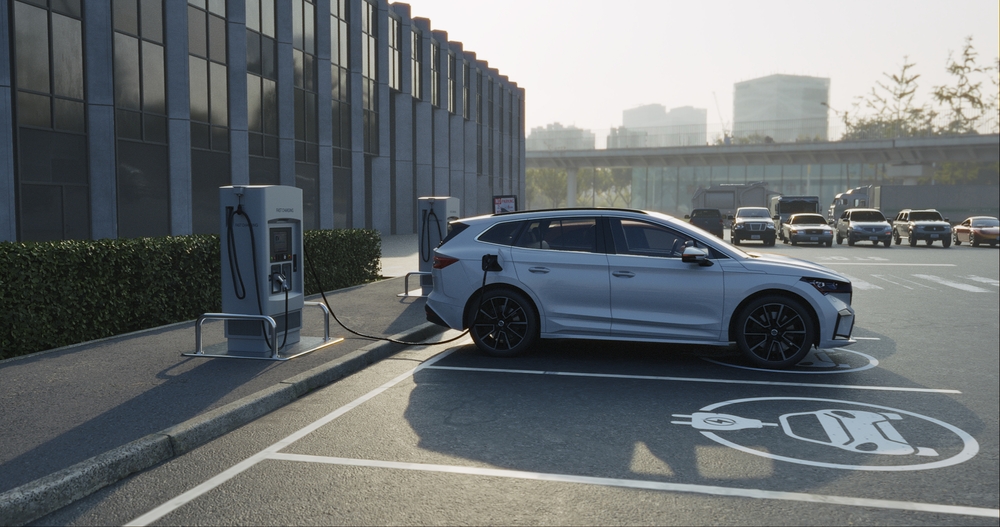
Electric cars are, like the name suggests, cars that run on electricity rather than fuel such as petrol or diesel. Fossil fuels are a thing of the past with EVs, and the future is greener – but not completely without its own issues to consider.
The biggest draw of electric cars is that they are better for the environment. In recent years, more and more people are opting for these vehicles rather than the fuelled alternatives, which is helping to bring down CO2 emissions around the world.
It’s worth noting here that the UK government plans to ban the sales of fuelled cars from 2035, so newer drivers or anyone who needs a new car from that point onwards will have to purchase an electric car, unless plans change.
With that being said, these vehicles are much better for the environment than fuelled cars, and only produce around half the amount of greenhouse gas emissions that a fuelled car would. They result in less CO2 being made during production of the vehicle itself, but the operation is significantly lower, too.
However, there are pros and cons to electric cars just like anything else, and in order for them to be more reliable, we can only hope that some minor changes can be made as time goes on – namely, the mileage on a single charge.
Below are the pros and cons of EVs that we think you should know about, starting with the pros:
These are the notable cons of electric vehicles currently:
As it stands in 2024, electric cars do not pay any road tax (or Vehicle Excuse Duty/VAD) because they are zero-emission vehicles. However, this is changing from April 1st 2025 as new changes will come into effect in the new financial year.
Starting from April 1st 2025, electric cars will pay £10 road tax for the first year, then £190 from the second year onwards. As always, though, these numbers are subject to change, as stated on the government website.
On the site, it states that low emission and electric vehicles that were registered between April 1st 2017 and March 31st 2025 will pay the standard rate, white those vehicles registered between March 1st 2001 and March 31st 2017 will be moved to the VED value first band. Currently, this is £20, but this can change.
Alternatively fuelled vehicles (AFVs) and hybrid cars currently get a £10 discount to their road tax. Moving into the new financial year of 2025, though, this discount will be removed, and the payment will depend on when the vehicle was registered.
Vehicles registered after April 1st 2017 will be paying the standard rate of £190 unless this changes, while cars registered before April 1st 2017 will get a rate dependent on the CO2 emissions.
Fuelled cars pay the standard rate of road tax, but diesel cars that don’t meet the RDE2 (Real Driving Emissions 2) need to pay higher rates for nitrogen oxide emissions. For more information, visit the above link.
Luxury vehicles (any car that costs £40,000 or more), are required to pay a higher fee, or the ‘expensive car supplement’ from the second tax payment going forward. This is a road tax payment of £410, compared to the £190 for vehicles sold below £40,000.
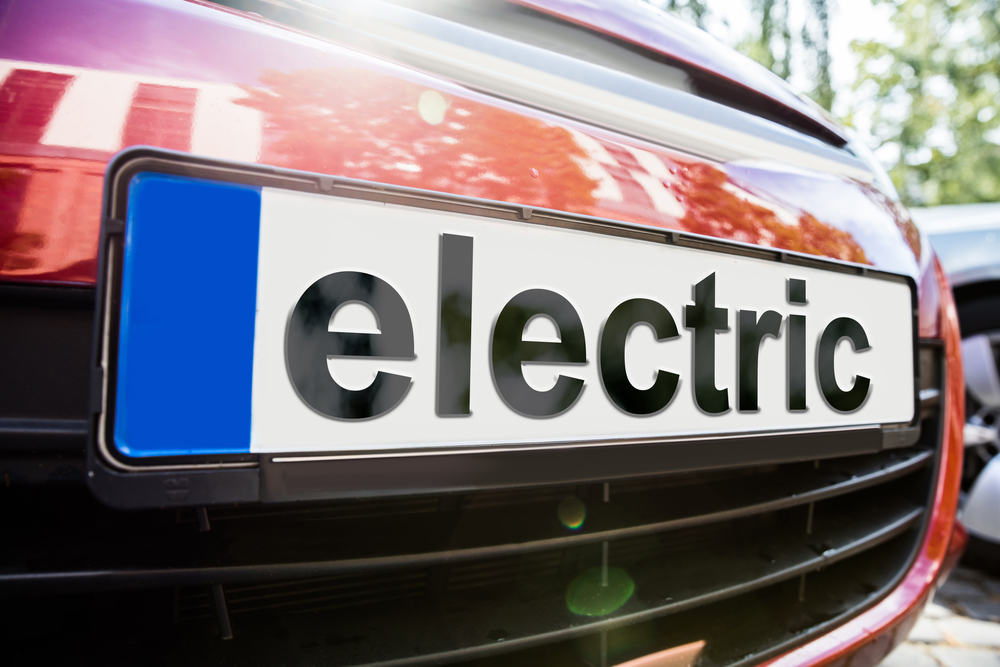
Knowing how much road tax electric cars will pay in the coming years is crucial for anyone who has one of these vehicles, or plans to get one. Unfortunately, with laws and guidance always changing, road tax can fluctuate and is likely to go up, and this is something that you need to be vigilant of.
At Number Plate Clinic, we love to keep you informed. If you want to learn more, why not check out our articles on why electric cars have green number plates and if all EVs have green on their plates. If you want to get EV number plates for yourself, we have a range to choose from, as well as square plates, bike plates, clear krystal plates and double clear krystal bike plates.
To find out more, reach out to our customer service team or read through our refund and privacy policies. Familiarise yourself with our terms and conditions, or learn about the NPC affiliate program and workshop, as we have plenty to offer there, too.
So, how much road tax will electric cars pay in 2025? Currently, the government has outlined that EVs will pay £10 for the first year, then £190 in road tax from the second year onwards, just like fuelled vehicles. However, this price is subject to change as we get closer to April 2025, so keep an eye out. For luxury EVs, this cost will be £410 for five years after the first year.
[/vc_column_text][/vc_column][/vc_row]