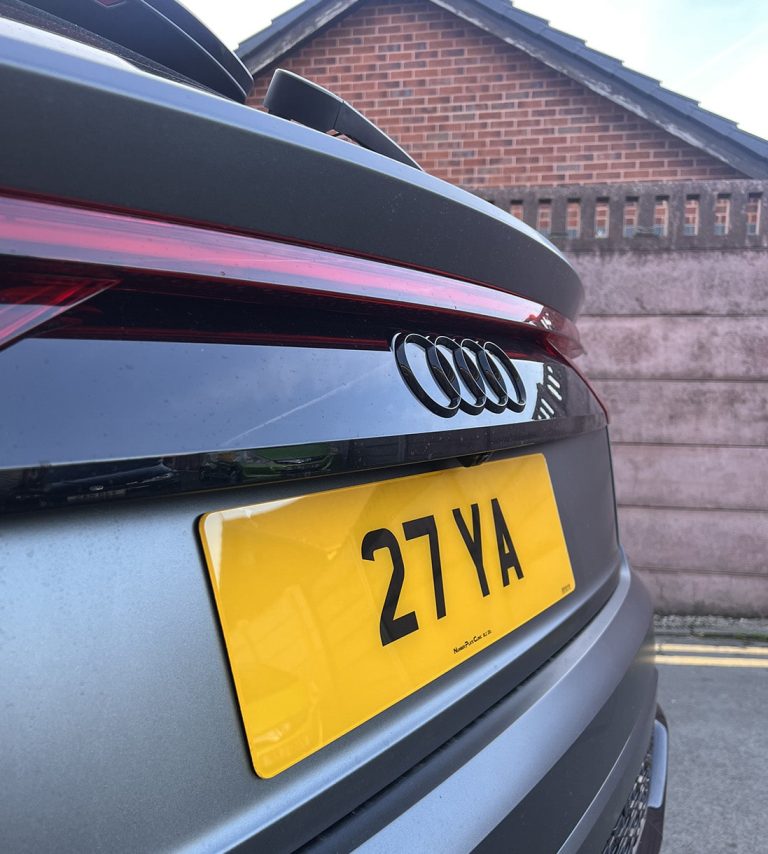
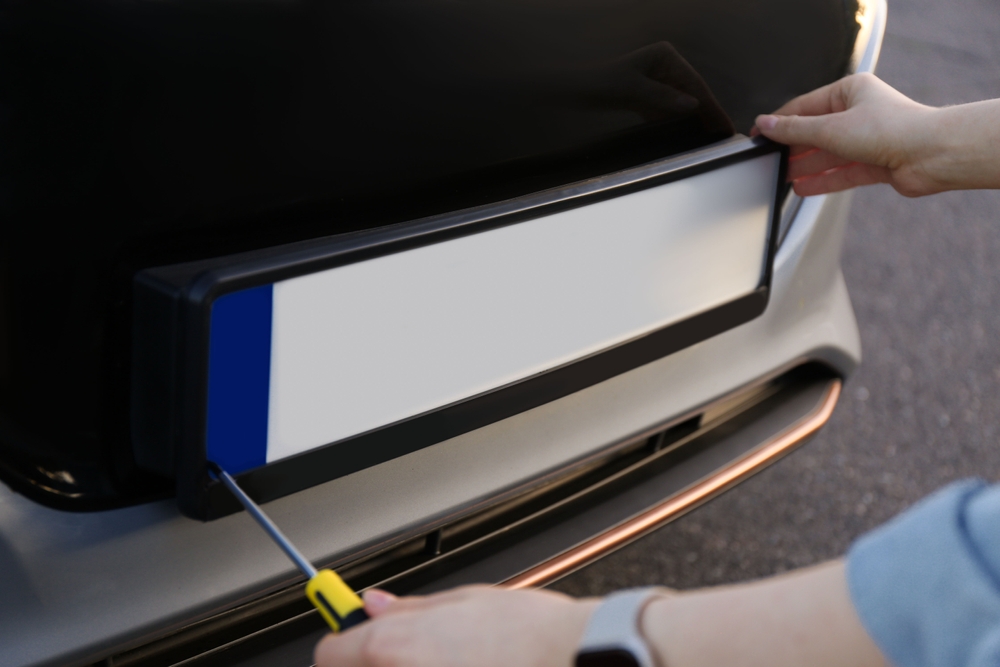
As a driver, it is important to make sure you take the right steps that are going to help your vehicle look better. Aesthetic appeal is an essential part of owning a car, and you need to consider the way your vehicle looks, as well as what the regulations are surrounding your car.
There are many factors that play a role in allowing you to make this work better for your car, and number plates are a key component of boosting your vehicle’s aesthetic. Getting the right licence plate for your vehicle means you need to enhance the stylistic element of your car, as well as making sure you fulfil legal compliance.
Pressed metal number plates have been a popular and fun way of being able to ensure your vehicle looks great, stands out, and brings something a little different to the market. They have received attention for their aesthetic appeal and authenticity, especially among those who love classic cars.
However, there are also legal questions that surround the use of pressed metal number plates, especially when it comes to evolving regulations and enforcement. In this blog, we seek to clarify the legal status of pressed metal number plates, and what the compliance criteria is, as well as what happens if you don’t follow regulations.
Pressed metal number plates have been popular for some time among car enthusiasts, especially those who enjoy vintage or classic cars. But it is important to gain an understanding of the legal status of these number plates, and how they relate to UK regulations set by the DVLA.
The DVLA mandates that all number plates must meet the requirements outlined in the British Standard BS AU 145e.
Furthermore, pressed metal number plates must be made from reflective materials to make them more visible at night. Characters must be displayed in a solid black font on a white background for the front plate and a yellow background for the rear.
One critical aspect to consider is the recent changes in regulations that took effect in March 2022. These changes included the requirement for plates to have a solid black font for easier identification by Automatic Number Plate Recognition (ANPR) systems.
This means that while pressed metal number plates can still be used, they must comply with the updated font and manufacturing standards.
Vehicle owners should also be aware of the importance of displaying the supplier’s name and postcode on the plates, along with the BS AU 145e code. This information is crucial for verifying the legality of the number plates.
It’s important to consider whether you want to use square number plates, hex lambo number plates, show plates, or any other kind of number plate. If pressed metal number plates meet these criteria, they can be considered legal for use on UK roads. However, if they fail to comply with any of the outlined standards, they may be deemed illegal, leading to potential fines and enforcement actions
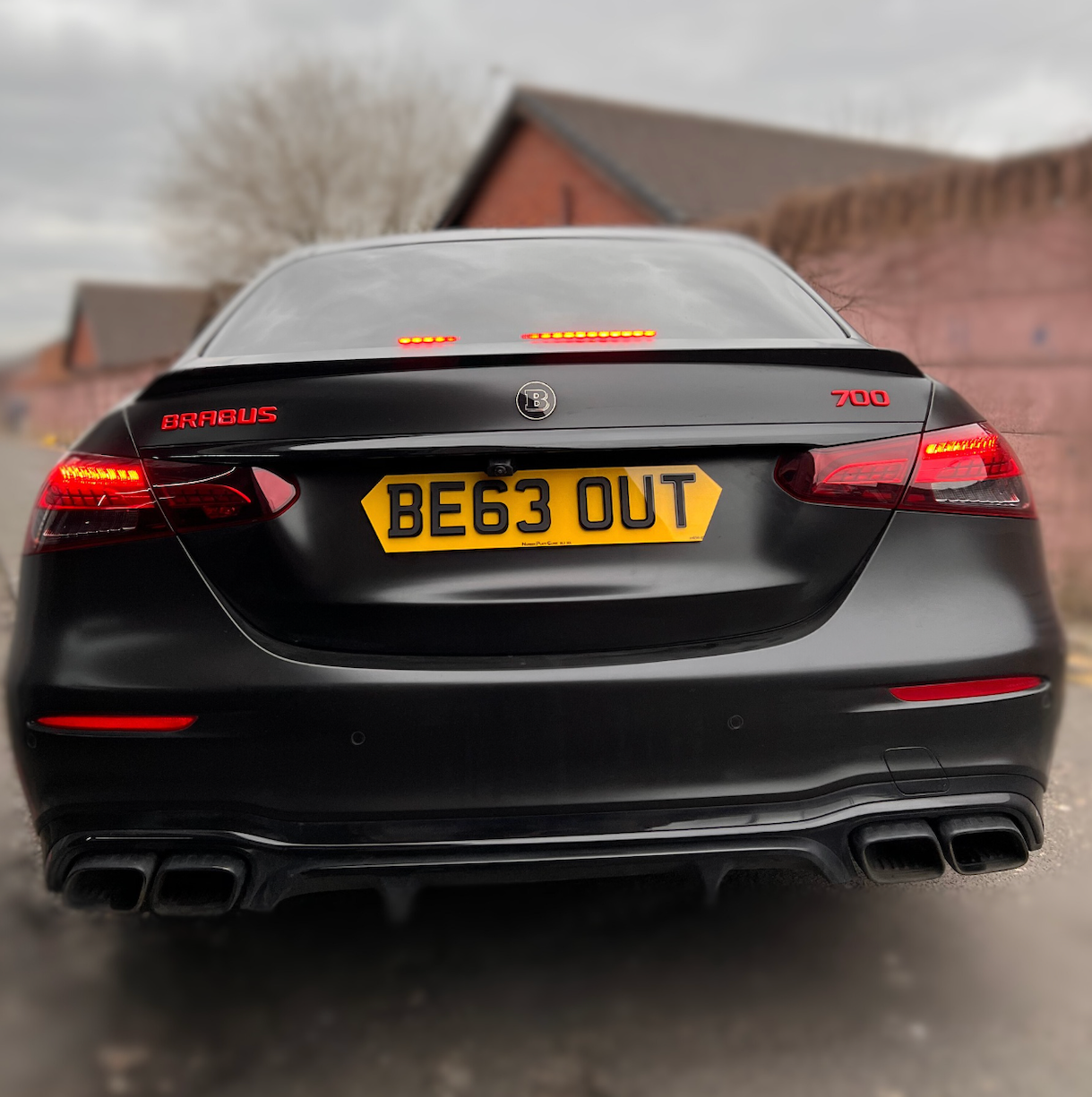
To ensure that pressed metal number plates are legal on UK roads, vehicle owners must adhere to several compliance criteria established by the DVLA. Understanding these criteria is essential for avoiding legal complications and ensuring that your number plates pass MOT inspections. Below are the key compliance criteria to consider:
By adhering to these compliance criteria, vehicle owners can ensure that their pressed metal number plates remain legal and avoid potential enforcement issues. It is advisable to purchase number plates from reputable suppliers who guarantee compliance with DVLA regulations.
Despite the clear guidelines set forth by the DVLA, enforcement issues regarding pressed metal number plates can still arise. Law enforcement agencies and MOT testers are vigilant in identifying illegal number plates, and failure to comply with regulations can result in significant consequences.
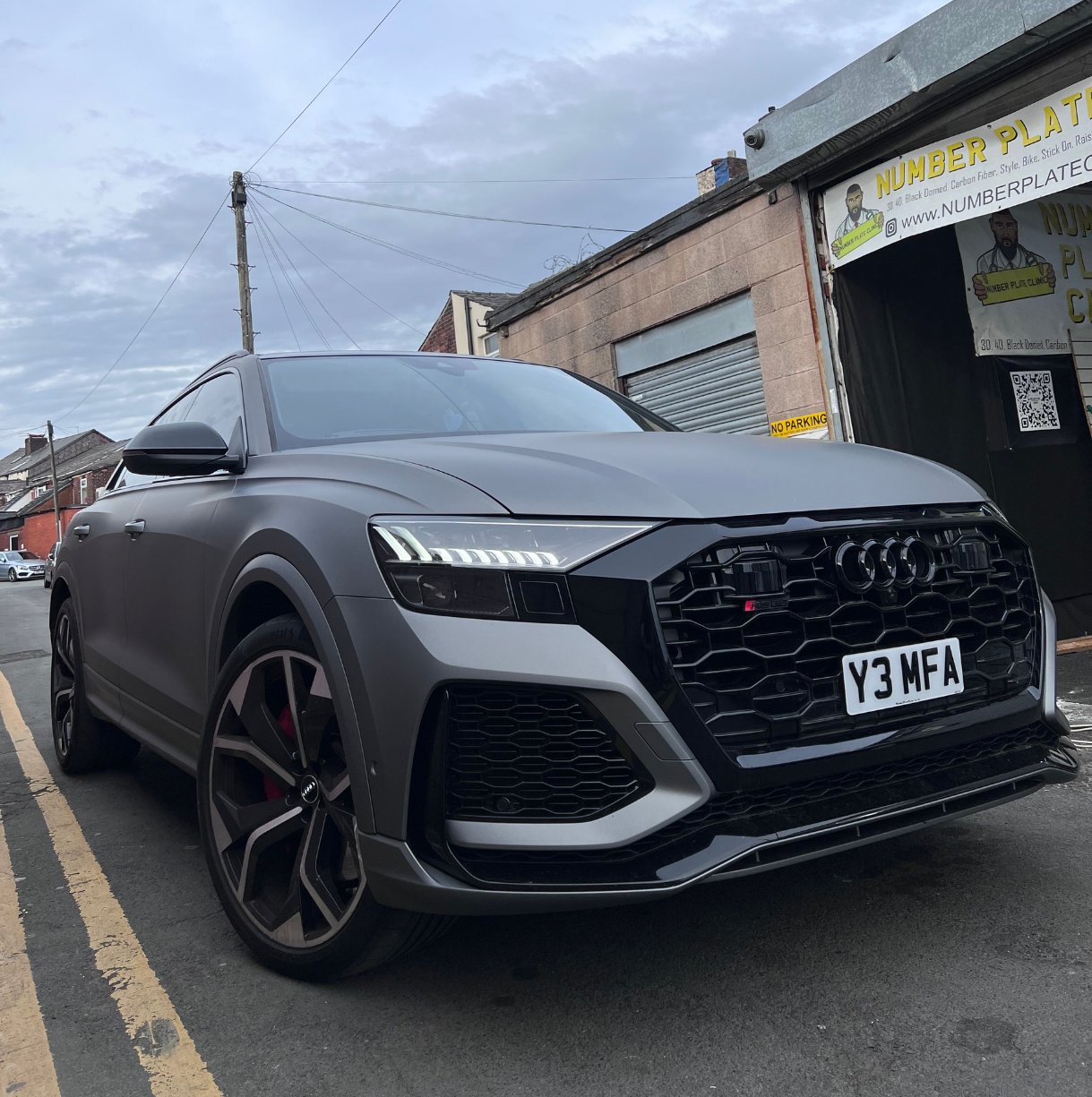
For vehicle owners considering pressed metal number plates, having a clear checklist can aid in ensuring compliance and making informed decisions. Below is an actionable checklist along with alternatives for those seeking legal number plates.
It’s important to keep your options open, and it might be the case that pressed metal number plates do not meet your needs. If this is true for you, then here are some alternative options to keep in mind:
To further assist vehicle owners in understanding compliance, we recommend including diagrams or images that illustrate compliant versus non-compliant plates. These visuals can help clarify the specific features that make a plate legal or illegal, enhancing the reader’s understanding.
As a car owner, you can make the best decisions regarding the right number plate for you by exploring all available options and familiarising yourself with compliance checklists.
In conclusion, pressed metal number plates can remain legal in the UK if they comply with the specific criteria set forth by the DVLA. Vehicle owners must be aware of the materials, reflectivity, font, spacing, and supplier information required for compliance.
By understanding the legal landscape and adhering to regulations, vehicle owners can enjoy the aesthetic appeal of pressed metal number plates while avoiding potential fines and enforcement actions. For those considering alternatives, options such as 3D and 4D plates provide stylish and compliant solutions. Get in touch with the Number Plate Clinic today to find out more about how these plates can work for you.