
[vc_row][vc_column][vc_column_text]
What is a number plate holder? Essentially, they are frames or brackets designed to securely attach a registration plate (also known as a number plate) to a vehicle. They serve practical and aesthetic purposes, by securely displaying your vehicle registration, linking the unique number to a vehicle.
Whether you’ve purchased a new car and are dealing with car registrations for the first time, or transferring a private number plate, understanding the paperwork involved is crucial. If you’re assigning a new registration number to a vehicle, you might need to have completed a v62 form.
For those transferring a private plate, you’ll likely encounter the v750 or v778 retention document, a document proving ownership of the registration mark. This is especially important if the vehicle is not currently taxed or has had a SORN (Statutory Off Road Notification) declared.
If you are applying to put a registration number on a vehicle you may be asked for a v317 form. All of these processes are part of managing registered vehicle information and ensuring compliance with regulations. Using a suitable number plate holder ensures that your registration is displayed correctly and legally.
A majority of vehicles don’t have a number plate holder as standard (they may have been attached via sticky pad or screws) your number plate must be as secure as possible. Unsecured number plates can result in a failed MOT, or penalties in some cases.
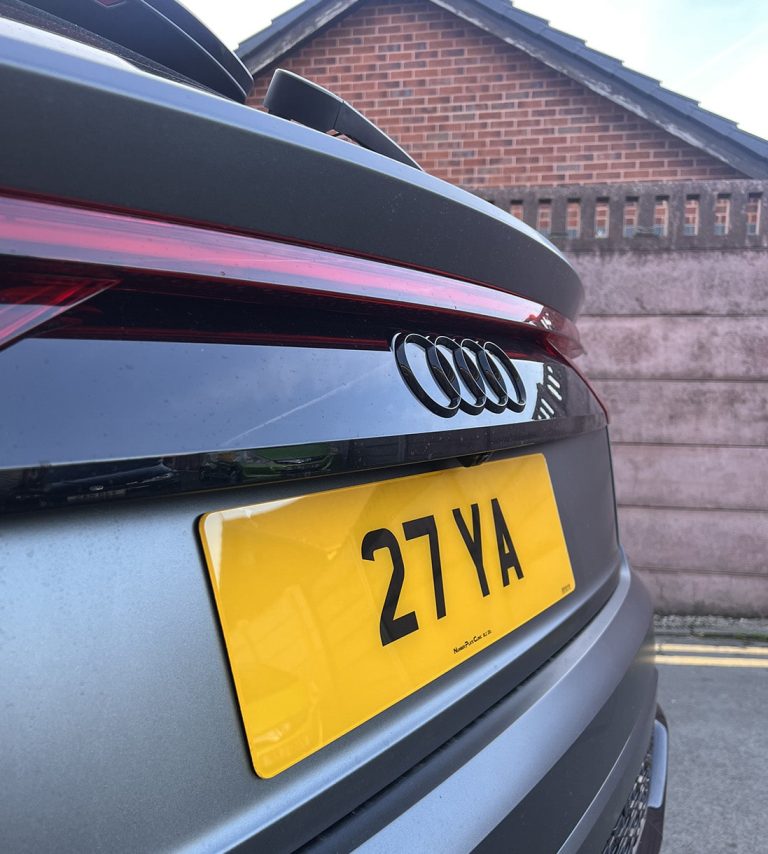
Aesthetically, what is a number plate holder? They provide a defined and distinct look, which compliments vehicles with a standard registration, private plate, and/or custom plate (personalised registration plate) alike. The options available include basic frames, clip-on holders, custom holders and more.
Each option compliments the overall look of a vehicle, especially if there is a personalised registration number used.
 When it comes to what is a number plate holder, there are variations, which we will share below.
The most common and basic type, designed to fit standard-sized number plates. They typically consist of a simple frame, often made of plastic, that surrounds the plate. They may be plain black or have a very subtle design.
Generally they are the most budget-friendly option, designed for straightforward installation, often using screws or clips. They are readily available at most auto parts stores and online retailers.
Offering personalised options, allowing for customisation with text, logos, or other design elements. They can be made from various materials, including plastic, metal, or carbon fiber.
Some manufacturers offer the option to include vehicle manufacturer logos or custom-designed graphics. Custom holders may come in different colours or finishes, such as chrome, matte black etc.
They allow you to express your individual style or promote a brand. As a result they can significantly improve the vehicle’s aesthetics, Especially with private plates.
These are designed to fit a wide range of vehicle models and number plate sizes, often featuring adjustable components or flexible designs. They are intended to simplify the selection process by eliminating the need to find a holder specifically designed for a particular make and model.
Speciality holders are designed for specific vehicle types, often with unique features or requirements. Examples of speciality holders can be for motorbikes, vintage vehicle and off-road vehicles.
Motorbike holders may have adjustable angles to improve visibility. Vintage car holders may be made from period-correct materials or have specific mounting mechanisms. And off-road vehicle holders may be designed to be impact-resistant or have quick-release mechanisms.
Number plate holders are typically made of different materials, each of with provide a certain look.
Plastic, which is affordable, weather-resistant and has a basic appearance.
Metal which is durable, corrosion-resistant, and has a premium/stylish look.
Carbon fiber which is lightweight, and has a high-end/sporty aesthetic. But do these materials affect how to put a personalised number plate on a car? Thankfully, not really.
 This is how to put a personalised number plate on a car.
Alternatively, visiting a platemaker who provides installation services can ensure your plate holder is installed correctly. Or they can show you how to put a personalised number plate on a car for you.
When it comes to legal requirements for number plate holders, how to install a number plate holder comes into play heavily. Proper installation means that the holder must not obscure the number plate’s characters, background, or reflective properties. Compliance may vary or change, but you should Check the DVLA website to stay in the know. Failure to comply with legal considerations can result in consequences such as fines, vehicle inspection failure and more.
When it comes to tips for cleaning your number plate holder, it is as simple as washing with soapy water, and avoiding harsh chemicals. You can apply protection over the plate holder by applying car wax/sealant, and avoiding direct sunlight/extreme temperatures if possible.
Number plate holders are somewhat durable, but must be replaced when cracked, damaged, or can no longer securely hold the plate.
 Consider your vehicle’s type (car, motorbike, truck, etc.), the dimensions of your number plate, and your personal style preferences (basic, custom, sporty, classic).
Before purchasing, ask yourself: Does the holder securely fit my number plate and vehicle’s mounting points? Does it comply with all local legal requirements regarding visibility and size? Do I know how to a fit number plate holder if I have no other option?
For most cars, universal or basic frames are recommended as they work well with almost any vehicle. Although, you can match the holder’s style to your vehicle’s overall aesthetic how to fit a number plate holder in both instances regarding frames should be similar and straightforward.
For motorbikes, choose smaller, curved holders. For vintage or unique vehicles, consider specialty or custom-made holders for a period-correct or personalised look. How to fit a number plate holder will vary depending on the type of vehicle.
Maintenance:
[/vc_column_text][/vc_column][/vc_row]