


When you’re shopping for 4D plates, the price difference can be striking. Budget options might cost £20 to £30, while premium plates can run to £60 or more. It’s natural to wonder whether the cheaper ones will fade, crack or lose their finish faster than the pricier alternatives.
The honest answer is: yes, they usually do. Budget 4D plates often use thinner acrylic, lower grade adhesives and less durable reflective backing. Over time, these materials are more vulnerable to UV damage, temperature changes and everyday wear.
But that doesn’t mean budget plates are always a poor choice. If you understand what causes fading and how to care for your plates properly, you can make an informed decision that balances cost with durability.
In this guide, we’ll explain why some 4D plates fade faster, what materials make the difference, and how to choose the right option for your needs and budget.
Fading happens when the materials in your number plate break down over time. The main culprits are UV exposure, heat, moisture and chemical damage.
UV radiation: Sunlight contains ultraviolet rays that gradually degrade plastics and dyes. Cheaper acrylic often lacks UV stabilisers, meaning it yellows, becomes brittle or loses clarity within a year or two.
Heat cycling: Plates expand and contract as temperatures rise and fall. Budget materials may warp, crack or separate from the backing plate, especially if the adhesive isn’t heat resistant.
Moisture and dirt: Water can seep behind poorly sealed characters, causing the reflective film to peel or bubble. Road grime and salt accelerate this process, particularly in winter. For more on winter conditions, see are 4D plates affected by road salt in winter.
Harsh cleaning chemicals: Solvents, abrasive cleaners and automated car washes can strip the surface coating from lower quality acrylic, leaving it dull and prone to scratching.
Premium plates are manufactured with UV resistant acrylic, weatherproof adhesives and thicker reflective film. These materials cost more to produce, but they hold up better under daily exposure.
The key difference between budget and premium road legal 4D acrylic plates comes down to the quality of materials and manufacturing standards.
Budget plates typically use 2mm to 3mm cast acrylic with no UV stabilisers. This type of acrylic is cheaper to source but yellows noticeably after 12 to 18 months of outdoor use.
Premium plates use 3mm to 5mm UV stabilised acrylic, often with a protective coating. This material resists discolouration and stays clear for five years or longer.
Cheap plates may rely on standard double sided tape or low grade adhesive foam. These can fail in extreme heat or cold, causing characters to lift or fall off entirely.
Higher quality plates use automotive grade adhesive designed to withstand temperature swings from minus 20°C to plus 60°C. The bond stays secure through UK winters and summer heatwaves.
All legal UK number plates must meet British Standard BS AU 145e, which includes specifications for reflectivity. However, the durability of that reflective layer varies widely.
Budget plates often use thin reflective film that scratches easily and loses its reflective properties within a couple of years. Premium options use thicker, laminated film that remains bright and compliant much longer.
Understanding DVLA regulations of 3D 4D number plates helps you ensure any plate you buy meets legal standards from day one.
A well made 4D plate should last between five and seven years under normal UK driving conditions. Budget plates, by contrast, often show visible fading, yellowing or damage within 18 months to two years.
Of course, lifespan depends on how and where you drive. Plates exposed to heavy sun (south facing parking, long motorway miles) will fade faster than those garaged overnight or used mainly in shaded urban areas.
If you’re considering whether 4D plates are worth it for older cars, durability becomes even more important. A budget plate that needs replacing every two years may end up costing more than a premium option that lasts five.
Let’s look at the numbers. A budget 4D plate at £25 that lasts two years costs £12.50 per year. A premium plate at £55 that lasts six years costs around £9 per year.
Over the life of your vehicle, the premium option often works out cheaper and saves you the hassle of repeated replacements.
It’s not always obvious when a plate starts to degrade. Here are the warning signs to watch for:
If you notice any of these, your plate may no longer meet legal standards for reflectivity and clarity. Driving with a faded or damaged plate can result in fines, MOT failure or issues with ANPR cameras.
For more on camera readability, see our guide on the science behind 4D plates and their interaction with speed cameras.
You should also check how to check if your 4D plates are insurance compliant to make sure any plate you buy meets insurer requirements.
Even budget plates can last longer if you take care of them properly. Here are some simple steps:
Clean regularly with mild products: Use warm water and car shampoo. Avoid solvents, bleach or abrasive pads that can scratch the acrylic.
Rinse after winter driving: Road salt and grit accelerate fading. A quick rinse after snowy or icy conditions helps preserve the reflective backing.
Park in the shade when possible: Direct sunlight speeds up UV damage. Garaging your car or using a shaded spot extends plate life.
Avoid automated car washes: High pressure jets and harsh chemicals can strip the protective coating from budget acrylic. Hand washing is gentler.
Inspect fasteners: Make sure screws or clips are tight. Loose fittings allow dirt and moisture to get behind the plate, causing damage from the inside.
If you’re wondering how 4D plates perform in low light conditions, keeping them clean and well maintained makes a significant difference.
For winter drivers, our article on are 4D plates better than gel plates in winter offers useful comparisons.
Budget 4D plates aren’t always a bad choice. They can be suitable if you’re on a tight budget, planning to sell or trade in your vehicle within a year or two, or fitting plates to a vehicle used only occasionally.
They may also make sense for show vehicles or off road use, where legal compliance and long term durability matter less. For these purposes, show plates offer more design flexibility.
However, for everyday drivers who want hassle free compliance and a smart appearance over several years, investing in quality plates usually pays off.
Before you buy, ask yourself these questions:
What to look for in a quality plate:
If you’re shopping locally, check out options in Coventry, Leicester, Sheffield, Bradford, Edinburgh or Belfast.
For those in other regions, we also serve Northern Ireland, Dundee, Doncaster, Shrewsbury, Nottingham, Oldham, Southampton, Blackpool and Falkirk and Stirling.
Wondering does Halfords do 4D plates? We compare high street options with specialist suppliers.
A reliable warranty is one of the clearest indicators of plate quality. Budget suppliers often offer no warranty or a very short period (30 days or less). Premium manufacturers typically stand behind their products with warranties of one to three years.
Read the terms carefully. Does the warranty cover fading, cracking and loss of reflectivity? Are there exclusions for damage caused by improper cleaning or accidents?
Good customer support matters too. If you have questions about fitting, maintenance or compliance, a supplier who responds quickly and helpfully adds real value.
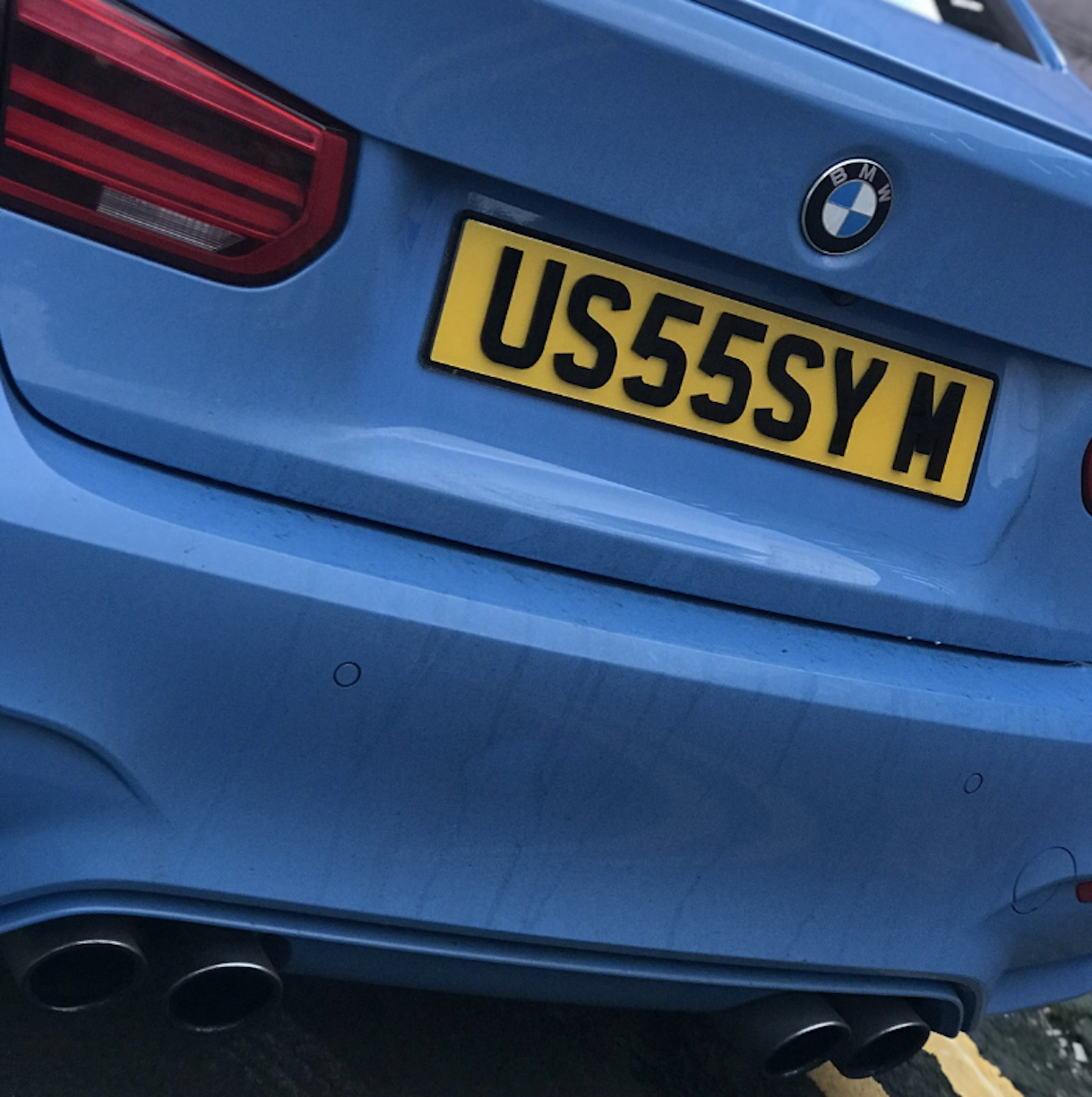
If you’re still weighing your choices, it’s worth comparing 4D plates with 3D gel plates and traditional 2D printed plates.
4D plates offer a premium look with deep, crisp characters. 3D gel plates are slightly less expensive but still stylish. 2D plates are the most affordable and perfectly legal, though they lack the visual impact of raised lettering.
Your choice depends on budget, aesthetic preference and how long you plan to keep the vehicle.
For specialist vehicles, we also offer bike plates, square plates and hex Lambo plates. Browse our full range of number plate accessories for fixings, frames and care products.
Budget 4D plates do tend to fade faster than premium options. The difference lies in materials, manufacturing standards and quality control. Cheaper acrylic, thinner reflective film and lower grade adhesives simply don’t stand up to UK weather and daily driving as well as higher spec alternatives.
That said, not everyone needs plates that last a decade. If you’re on a tight budget or planning to change vehicles soon, a cheaper option might suit your needs.
For most drivers, though, investing a little more upfront means fewer replacements, better appearance and peace of mind that your plates will stay legal and camera readable for years.
If you’re still unsure, our team is happy to talk through your options. Whether you need advice on materials, warranties or compliance, we’re here to help. Get in touch anytime.
You might also find these guides useful: do 4D plates attract more police attention?, are 4D plates allowed on company cars?, are 4D plates more likely to be stolen? and do I need to tell my insurer about my new 3D and 4D number plates?
For some interesting background, take a look at the 10 most expensive private number plates ever sold in the UK or learn what happens if you drive without a front number plate and how to report cloned number plates to the DVLA.
Choose wisely, maintain your plates properly, and they’ll serve you well for years to come.

We use cookies to improve your experience and run personalised ads. You can accept or manage your preferences.