

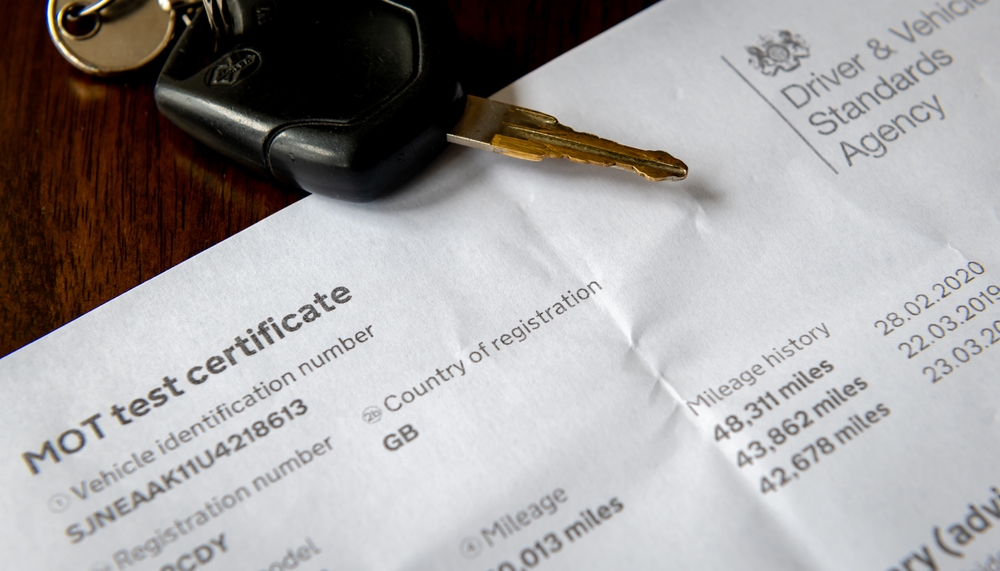
If your MOT is coming up and your number plates have seen better days, you might be wondering whether a bit of road grime could actually cost you a pass. It is a fair question, and the answer matters more than most drivers realise. Here is everything you need to know about dirty 2D plates, MOT requirements, and how to make sure your registration is never the reason you drive away without a certificate.
MOT testers follow DVSA guidance when assessing registration plates. The inspection covers several factors, but legibility sits at the top of the list. A tester will check that:
Dirt is a direct threat to legibility. If a tester cannot comfortably read your registration because of mud, grime or algae build-up, your vehicle can receive a minor or major fault depending on severity. In the worst cases, a plate that is genuinely unreadable will result in an MOT failure.
For a full overview of what standard 2D plates should look like and how they are regulated, our 2D plates explained guide is a useful starting point.
2D printed number plates have a smooth, flat surface, which might seem easy to keep clean. In practice though, road spray, agricultural dust, and winter grit can bond to the reflective backing and the printed characters in ways that are surprisingly stubborn. Unlike raised 3D or 4D lettering, flat print offers no physical definition to help the eye separate characters from a dirty background.
This is especially relevant for drivers in rural areas or those covering high motorway mileage during winter months, where spray and salt residue accumulate quickly.
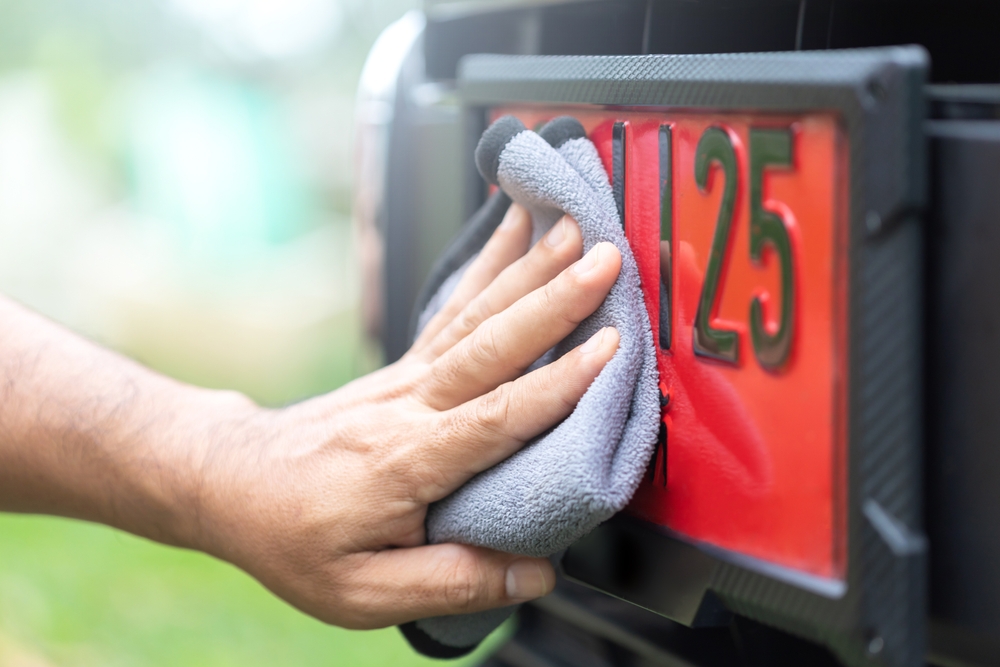
A thorough clean before your test is often all that is needed. The key is doing it correctly so you do not damage the plate in the process.
Warm water and a soft cloth or sponge is the safest starting point. A mild car shampoo or dedicated vehicle wash solution will help lift road film without affecting the reflective surface. Work gently and rinse thoroughly.
Avoid abrasive sponges, wire wool, or harsh chemical cleaners. These can scratch the plate surface, dull the reflective backing, or damage the printed lettering. Once a plate is visibly scratched or the reflective quality is compromised, cleaning alone will not resolve the problem and replacement becomes necessary.
Pressure washers should be used with caution. A high-powered jet aimed directly at the plate edges can lift the material away from the backing board, particularly on older plates.
Dirt is fixable. Damage is a different matter. If your plate has any of the following issues, replacement is the right call before your MOT rather than after:
Driving with an unreadable or non-compliant plate is not just an MOT concern. It can attract a fine of up to £1,000 and three penalty points if the plate does not meet British Standard requirements. You can read more about DVSA and government guidance on plate legibility at GOV.UK.
If you are unsure whether your current plates are compliant, it is worth reading through what documents you need to buy 2D number plates in the UK so you are prepared when you order replacements.
A set of replacement 2D plates from a registered supplier is typically an affordable fix, often significantly less than the cost of a retest. Our shop has a full range of road legal options built to DVLA specification, and ordering replacement plates is a straightforward process.
Running through this checklist in the days before your test takes less than five minutes and could save you a costly failure.
If anything on that list gives you pause, our team is happy to advise. You can get in touch with us directly and we will point you in the right direction.
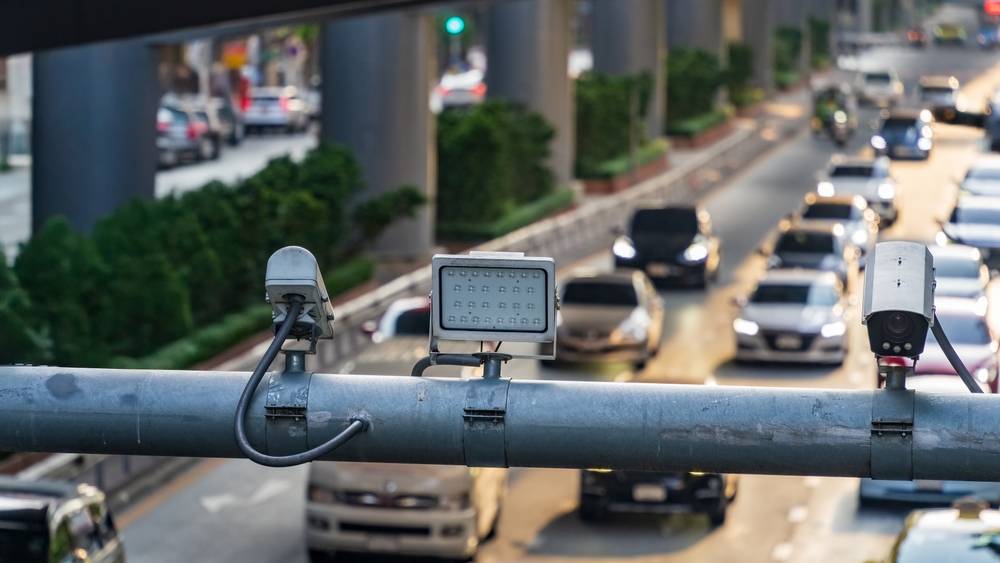
It is worth knowing that legibility matters beyond the MOT bay. Automatic Number Plate Recognition cameras are in widespread use on UK roads for traffic enforcement, congestion charging, and safety monitoring. A dirty or damaged plate that cannot be read by these systems creates real-world problems even if your vehicle has recently passed its test. Our guide on what happens if ANPR cameras cannot read your 2D number plate explains the implications in more detail.
If your plates need replacing ahead of your MOT, Number Plate Clinic supplies road legal, DVLA compliant plates made to British Standard. Whether you drive a standard car, need short number plates for a smaller vehicle, or want plates for a motorbike, you can search plates and order directly through our website.
We also stock a range of number plate accessories including fixings, surrounds and covers to keep your plates secure and protected year-round.
For step-by-step guidance on fitting new plates yourself, our how to replace a 2D number plate at home guide walks you through the whole process.
Can a dirty number plate fail an MOT? Yes. If dirt makes your registration illegible, an MOT tester can record it as a fault. In serious cases it will result in a failure.
How clean does a number plate need to be? It needs to be clearly readable from 20 metres. If the characters are obscured by mud, grime or algae, it does not meet the standard.
Can I clean my plates myself before the test? Absolutely. Warm water, a soft cloth and mild car shampoo is all you need. Avoid anything abrasive.
Will a cracked plate also fail an MOT? Yes. Physical damage that affects legibility or the overall condition of the plate is an MOT concern. Replacement is the right solution.
A clean, compliant number plate is a small thing that makes a meaningful difference on MOT day. If yours are looking a little worse for wear, a quick clean or a set of replacement plates from a registered supplier is a simple, affordable fix that puts the matter to rest. The DVSA guidance on MOT testing sets out the full inspection criteria if you want to read the detail for yourself.

We use cookies to improve your experience and run personalised ads. You can accept or manage your preferences.