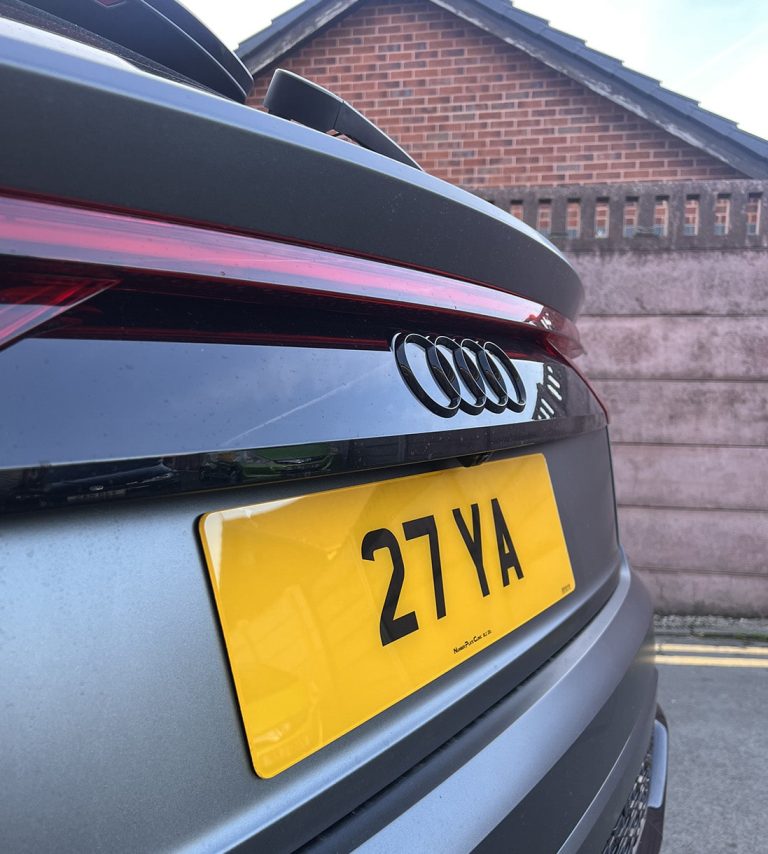

Stepping out to your garage only to find your rear plate cracked, or perhaps finishing a restoration project, leads to a single, pressing question: where can you actually buy a motorcycle number plate UK riders can trust to be legal? It is a more nuanced purchase than many expect. While the high street might offer quick fixes, the specific regulations governing two-wheeled transport mean that a standard car plate supplier might not always be the best fit for your bike’s unique requirements.
British roads are governed by strict standards regarding visibility, font, and material durability. For a motorcyclist, the stakes are slightly higher. Unlike cars, bikes only require a rear plate, meaning that single piece of acrylic must bear the full weight of legal compliance. If it is the wrong size, has the wrong spacing, or lacks the mandatory British Standard markings, it is an invitation for a roadside pull-over and a potential fine. Finding a supplier that understands these nuances is the difference between a hassle-free ride and an expensive afternoon with the traffic police.

It is tempting to think of a number plate as just a piece of plastic with letters on it. However, a legal motorbike plate serves as a vital document of identification that must meet the BS AU 145e standard. This current British Standard ensures the plate can withstand impacts, is resistant to fading from sunlight, and remains legible under the glare of headlights. When you browse through a dedicated range of products, you are not just looking at aesthetics; you are looking for a guarantee of roadworthiness.
The DVLA is very specific about who can manufacture these plates. A reputable supplier must be registered with the DVLA and keep meticulous records of every registration produced. This prevents cloning and ensures that every motorcycle registration plate reflects a legitimate vehicle on the road. Choosing an unregistered provider for road use can lead to your bike failing its MOT, or worse, having your registration withdrawn.
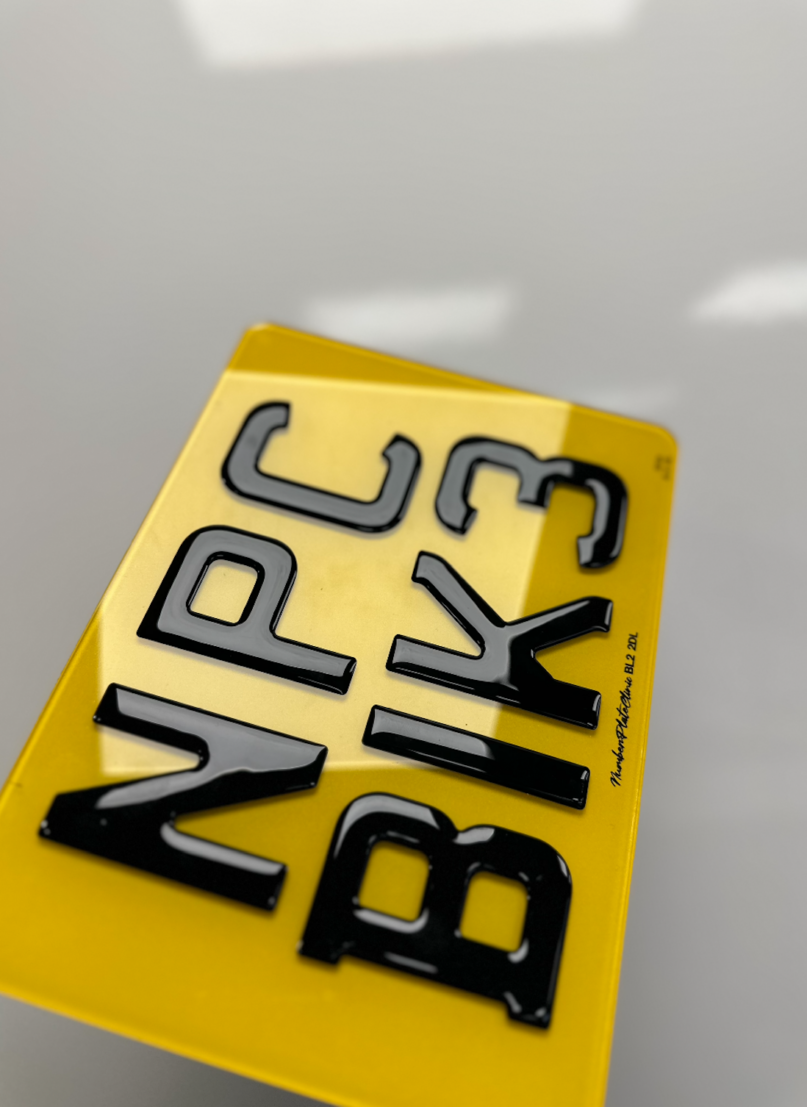
If you are riding a bike registered after 1 September 2001, your plate must be displayed over two lines. This is a common point of confusion. While cars have long, single-line plates, motorcycles require a square or rectangular format that fits within specific dimensions to remain visible to cameras and other road users. Riders often ask about the key legal requirements for motorcycle number plates in the UK, and the answer usually starts with character spacing and margin sizes.
To stay on the right side of the law, ensure your supplier provides plates that feature:
For those who have recently acquired a vehicle through other means, such as an auction, verifying the existing plate’s legality is a must. Auctions often see bikes with damaged or non-compliant plates that need immediate replacement before hitting the public highway.
The most reliable way to buy bike number plate sets is through a specialist outlet. The benefit of using a specialist over a generalist motor factor is the depth of knowledge regarding bike-specific setups. Whether you are looking for road-legal rectangular options or a standard replacement, the ordering process should be backed by reliable customer support and a track record of excellence.
Online ordering has become a common standard for convenience, provided you have your documents ready. By law, you must prove your identity and your entitlement to the registration. This usually involves showing your logbook and a driving licence. A legitimate shop will always ask for these. If a provider offers to print a plate without seeing your paperwork, they are likely not a registered supplier, and the plate they produce will not be legal for road use.
You may also consider customising your ride with a unique identifier. Many enthusiasts look for private plates for bikes to add a personal touch or to hide the age of an older machine. Even with a private plate, the manufacturing rules remain identical: the physical plate must still meet all British Standards.
A frequent question among the biking community is whether modern, tactile lettering is allowed. The short answer is yes, provided they are not overtly 3D in a way that distorts the character shape when viewed from an angle. You can certainly opt for raised gel resin styles. These are often preferred for their premium look and high-gloss finish.
When considering more defined styles, many riders ask if they can get 4D plates for motorcycles. The answer is yes, as long as the characters are black and conform strictly to the spacing and font rules. The 4D terminology usually refers to characters cut from acrylic, giving a sharp look to the rear of the bike. Because of the unique vibrations and exposure to the elements that motorcycles face, it is vital to check if these options are suitable for motorcycles before purchasing, as the adhesive quality must be high enough to prevent letters from vibrating loose at high speeds.
For those feeling adventurous with their bike’s aesthetic, it is worth exploring different styles of motorcycle number plates, but always verify with the supplier that they are intended for the road. While certain show plates might look great in a garage or at an event, they often deviate from legal standards for road use.
The rules can feel like a moving target. In recent years, there were rumours that raised lettering would be banned, but it has been confirmed that as long as the characters are a solid, non-reflective black, they are perfectly legal. If you are unsure, reading a guide on current UK rules can help clarify the latest position. The key is in the font; if the effect makes the letter look like a different font or makes it hard to read from the side, it will fail an MOT.
It is not just for bikes, either. Many owners of support vehicles or vans also wonder if they can get these styles for different vehicle types. The answer is a resounding yes, provided the supplier follows the specific dimensions required for each vehicle type. For a deeper dive into the technical side, a UK motorcycle number plate guide is an excellent resource for any rider.
One of the biggest mistakes riders make is choosing a plate that is too small for their bike. While smaller plates are popular in the custom scene, they are often illegal. The legal limits of motorcycle plate sizes are non-negotiable. If you choose a plate that does not have the mandatory margin around the characters, you are risking a fine and an MOT failure.
Preparation is key, especially as you approach your annual inspection. Knowing how to prepare your motorcycle plate for an MOT saves significant stress. Check for cracks, ensure the light illuminating the plate is working, and clean off any road grime that might obscure the characters or the British Standard mark.
If you have questions that are not covered by basic product descriptions, consulting a list of frequently asked questions about motorbike plates can resolve specific queries about mounting, screw placement, and border options. For even more detail, there is a wealth of information in guides covering the transition between older and newer standards.
Planning a trip to the continent? You need to know if UK motorcycle number plates work in Europe. Since Brexit, the rules have changed slightly regarding the display of the UK identifier. While you can buy plates with the UK flag and UK initials already printed on them, you must ensure they meet the specific requirements of the countries you are visiting, otherwise, you may need a separate sticker.
To keep things simple, many choose to buy plates that are already configured for international travel, saving the hassle of stickers that often peel off in the rain. Whether you are looking for a complete guide to buying motorbike number plates or just need to understand the latest 2026 updates, staying informed is the best way to protect your licence.
When you are ready to make a purchase, the process of buying bike plates should be straightforward. With a focus on BS AU 145e motorcycle compliance, a registered specialist ensures that your new plate is not just an accessory, but a durable, legal component of your machine. Always choose a registered specialist to ensure your time on the road is spent enjoying the twists and turns, rather than worrying about the plastic on your rear mudguard.