


If you’ve fitted 4D plates to your vehicle, you’re probably wondering how long they’ll last before they need replacing. Unlike traditional flat plates, 4D plates have raised acrylic characters that give them a premium look, but this also means they can wear differently over time.
The good news is that quality road legal 4D acrylic plates should last between five and seven years under normal UK driving conditions. However, the actual lifespan depends on several factors, including material quality, weather exposure, maintenance and how much you drive.
In this guide, we’ll explain what affects how long 4D plates last, the signs that tell you it’s time for a replacement, and how to keep your plates looking sharp for as long as possible.
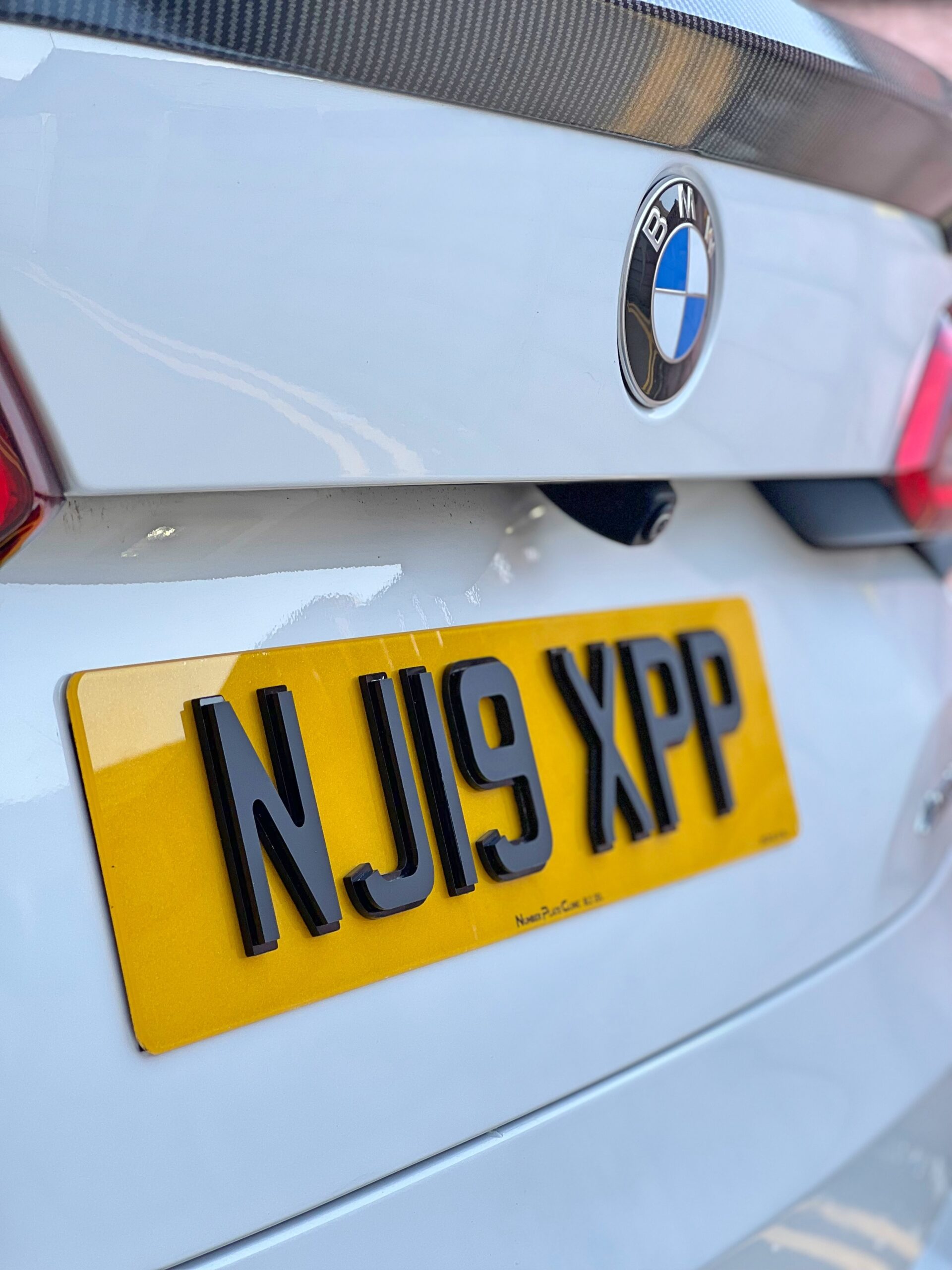
A well made 4D number plate should give you at least five years of reliable service. Premium plates manufactured to British Standard BS AU 145e and using UV resistant acrylic can last seven years or more.
Budget options, however, often show visible wear within 18 months to three years. Cheaper acrylic yellows faster, adhesive can fail in extreme temperatures, and the reflective backing may degrade more quickly.
Understanding DVLA regulations of 3D 4D number plates helps you know what standards your plates must meet throughout their lifetime, not just when they’re new.
The key difference between a plate that lasts two years and one that lasts seven comes down to materials and manufacturing quality. UV stabilised acrylic, automotive grade adhesive and thick reflective backing all contribute to longevity.
If you’re considering whether 4D plates are worth it for older cars, the durability of quality plates makes them a sensible investment even if you don’t plan to keep the vehicle forever.
Several elements determine whether your plates will last five years or need replacing much sooner.
Ultraviolet radiation is one of the biggest threats to number plate longevity. Direct sunlight breaks down plastics over time, causing acrylic to yellow, become brittle or lose transparency.
Plates fitted to south facing vehicles or parked outdoors in full sun will age faster than those kept in garages or shaded parking. If you live in a particularly sunny region or park outdoors daily, expect to replace your plates closer to the five year mark rather than seven.
UV stabilised acrylic significantly improves resistance to sun damage. This is why premium plates cost more but deliver better value over their lifetime.
UK weather puts number plates through their paces. Rain, frost, snow and temperature swings from minus 10°C in winter to plus 30°C in summer all take a toll.
Cheaper adhesives can fail when exposed to extreme heat, causing characters to lift or fall off. Cold temperatures make lower grade acrylic brittle, leading to cracks or chips from minor impacts.
For drivers in regions with harsh winters, such as those in Edinburgh, Dundee or Falkirk and Stirling, road salt is another concern. Our guide on are 4D plates affected by road salt in winter explains how to protect your plates during gritting season.
If you’re wondering are 4D plates better than gel plates in winter, both can perform well if made to the correct standards.
High mileage drivers put more wear on their plates. Motorway driving exposes plates to high speed stone chips and debris. Urban driving means more stop start traffic, exhaust fumes and pollution that can dull the finish.
Rural drivers face mud, gravel and agricultural grime. If you regularly drive on unpaved roads or through heavy construction zones, your plates will accumulate damage faster.
As covered in our article on budget plates, the quality of acrylic, adhesive and reflective backing makes a substantial difference. Premium materials simply last longer.
Look for plates with UV stabilised acrylic at least 3mm thick, automotive grade adhesive rated for extreme temperatures, and thick, laminated reflective film.
For more on performance, see how 4D plates perform in low light conditions and the science behind 4D plates and their interaction with speed cameras.
Even if your plates haven’t reached the five or seven year mark, certain signs indicate it’s time for a replacement.
Visual inspection checklist:
If you spot any of these issues, it’s worth considering replacement. A plate that’s no longer clearly legible or fully reflective may not meet legal standards, which could lead to an MOT failure or roadside penalty.
For guidance on compliance, see how to check if your 4D plates are insurance compliant.
You might also be interested in whether 4D plates attract more police attention, particularly if your plates are showing visible wear.
UK law requires that number plates remain clean and legible at all times. If dirt, damage or fading makes your registration difficult to read, you’re breaking the law even if the plate was compliant when fitted.
Police can issue fixed penalty notices or a Vehicle Defect Rectification Scheme (VDRS) notice if your plates are obscured or damaged. For more on this, read our guide on police enforcement.
The penalty for driving with illegible plates can be up to £1,000 and three points on your licence. Similar penalties apply if you’re caught driving without a front number plate.
There are two main reasons you might replace your 4D plates: because they’re no longer legal, or because you want to refresh the look of your vehicle.
This is non negotiable. If your plates are damaged, faded, cracked or otherwise fail to meet DVLA standards, you must replace them.
Legal issues include loss of reflectivity, characters that are illegible, missing or incorrect supplier markings, and any modification that breaches the Road Vehicles (Display of Registration Marks) Regulations 2001.
An MOT test includes a check of your number plates. If they’re not compliant, your vehicle will fail, and you’ll need to fit legal replacements before you can retest.
Many drivers choose to replace plates simply because they want a fresher look. Over time, even compliant plates can lose their gloss, accumulate minor scratches or look tired compared to the rest of the vehicle.
If you’re preparing a car for sale, fitting new plates can improve kerb appeal. If you’ve just had your car detailed or repainted, new plates complete the refresh.
This is entirely your choice and there’s no legal requirement to replace plates that still meet standards, even if they’re a few years old.
For high value or modified vehicles, keeping plates looking pristine is part of the overall presentation. Owners of classic cars or show vehicles often replace plates more frequently for this reason.
Proper care can add years to your 4D plates. Here’s how to keep them in top condition.
Regular cleaning: Wash your plates weekly using warm water and mild car shampoo. Avoid harsh chemicals, solvents or abrasive pads that can scratch or dull the acrylic.
Rinse after winter driving: Road salt accelerates degradation. A quick rinse after driving on gritted roads helps protect the reflective backing and acrylic.
Park in the shade: Where possible, garage your car or use shaded parking to reduce UV exposure.
Avoid automated car washes: High pressure jets and strong detergents can damage budget acrylic. Hand washing is gentler and more effective.
Check fasteners regularly: Make sure screws or clips are tight. Loose fittings allow moisture and dirt to get behind the plate, causing damage from the inside out.
Inspect every few months: A quick visual check helps you spot early signs of wear so you can address issues before they become legal problems.
For drivers in areas with heavy pollution or road construction, such as those in Coventry, Leicester, Sheffield or Bradford, more frequent cleaning may be necessary.
We also serve customers in Belfast, Northern Ireland, Doncaster, Shrewsbury, Nottingham, Oldham, Southampton and Blackpool.

When it’s time to replace your plates, you have several options depending on budget and preference.
Most drivers can fit number plates themselves. You’ll need the correct screws or fixings (often included with new plates) and a screwdriver. The process takes around 10 to 15 minutes per plate.
DIY fitting saves money and gives you full control over placement and security. Just make sure the plates are mounted squarely and securely, with no obstructions or covers that reduce legibility.
Browse our range of number plate accessories for fixings, frames and care products.
If you prefer, many garages and plate suppliers offer fitting services. This typically costs £10 to £20 on top of the plate price and ensures correct alignment and secure fastening.
Professional fitting is a good choice if you’re unsure about the process, don’t have the right tools, or want the peace of mind that comes with expert installation.
Budget 4D plates start around £20 to £30 per pair. Mid range options sit between £40 and £55. Premium plates with extended warranties and certified materials can cost £60 to £80 or more.
Traditional 2D printed plates are cheaper, typically £15 to £25, while 3D gel plates fall in the middle at £30 to £50.
For specialist applications, consider bike plates, square plates or hex Lambo plates. We also stock show plates for off road or display use.
If you’re comparing suppliers, check out does Halfords do 4D plates for high street alternatives.
For company vehicles, read are 4D plates allowed on company cars to understand employer policies.
Look for suppliers who offer at least a 12 month warranty, ideally two to three years. A good warranty covers manufacturing defects, premature fading and adhesive failure.
Read the terms carefully. Some warranties exclude damage from accidents, improper fitting or harsh cleaning products. Others may require proof of regular maintenance.
Quality 4D plates should last five to seven years under normal UK driving conditions. Budget options may need replacing within two to three years, while premium plates with UV resistant materials can last even longer.
Regular maintenance, careful cleaning and sensible parking habits all help extend the life of your plates. When damage, fading or loss of reflectivity makes replacement necessary, choose plates that meet current DVLA standards and come with a solid warranty.
If you’re unsure whether your plates need replacing or want advice on choosing the right option for your vehicle, we’re here to help. Get in touch with any questions.
Replace your plates when needed, keep them clean and compliant, and they’ll serve you well for years.

Extra 10% OFF on Sale Product
Use Code ‘Blog10’