

[vc_row][vc_column][vc_column_text]There are many things that are frustrating as a driver, but most pale in comparison to the frustrations that comes from your number plate coming loose, or even falling off completely. This might feel like a minor annoyance, but a loose or missing plate can actually be a pretty big deal, especially when it comes to things like MOT failures and fines, etc.
But what causes this to happen, and what can you do to prevent this from happening? In this blog, we will check out some of most common reasons number plates fall off, how to fix them, and how to keep your vehicle roadworthy as much as possible.
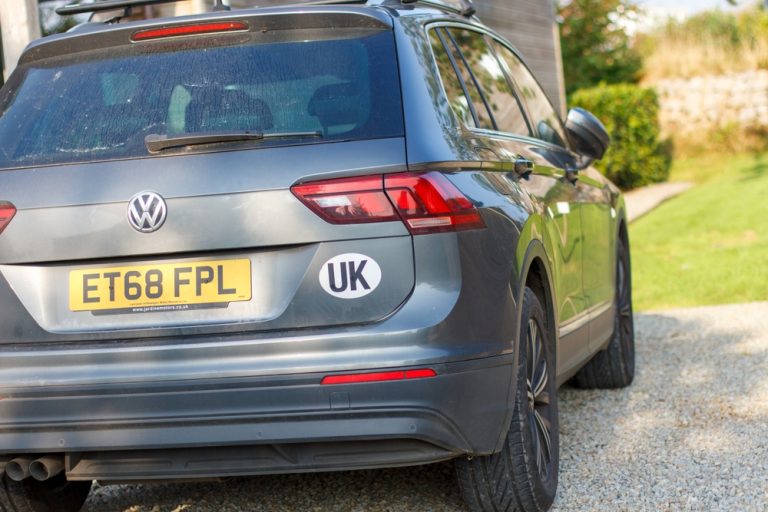
 Before exploring the causes, it is important to consider what makes number plate security so important. Your number plate is not simply there for decoration, it’s actually a legal identifier that you need to have on your vehicle. The DVLA has new requirements for all vehicles, requiring them to display clear, fixed plates front and back.
If your plate comes off and you continue to drive, you are actually technically committing a legal offence. If you check out our detailed guide on what happens if you drive without a front number plate, you will discover that this can lead to fines of up to £1,000 and an automatic MOT failure.
Simply put, a loose or missing number plate isn’t something you can ignore.
There are several reasons why your number plate might keep falling off your vehicle. Some of these reasons are down to things like wear and tear, while other issues could be caused by fitting or material issues. So, these are some of the key issues that can cause you this:
If your number plates are attached with adhesive pads or double-sided tape, this can cause other issues. Over time, exposure to weather and the elements can weaken the adhesive bond. Once it starts to peel at the corners, the plates will eventually detach completely.
An automatic car wash might help your plate to come loose, and this is why you need to check out our article can a car wash make my number plate fall off? This will give you in-depth tips for:
How to Fix:
You can find professional-grade fixings and mounting kits in our number plate accessories collection. All of these are tested for durability, weather resistance, and car-wash safety.
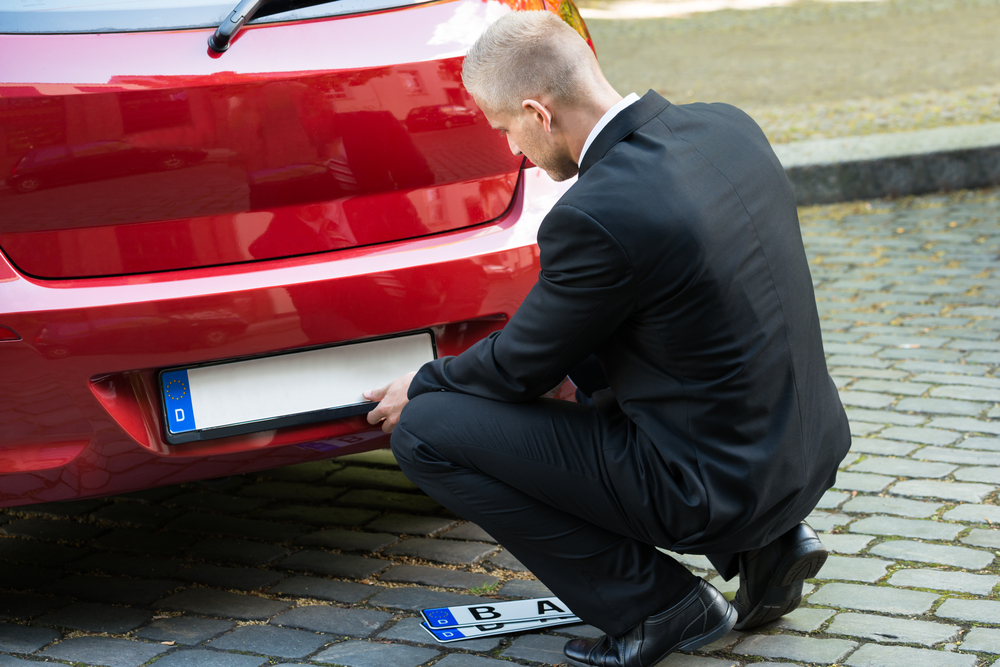
Another issue that can cause problems with your plates is if they are poorly installed. This is something that might mean there isn’t proper surface contact, so you need to make sure you look at the best ways of making this work for you.
How to Fix:
Making sure the mounting area is flat, smooth, and degreased before reattaching the plate. Try to consider using a mountain frame or holder in order to enjoy a secure and professional finish.
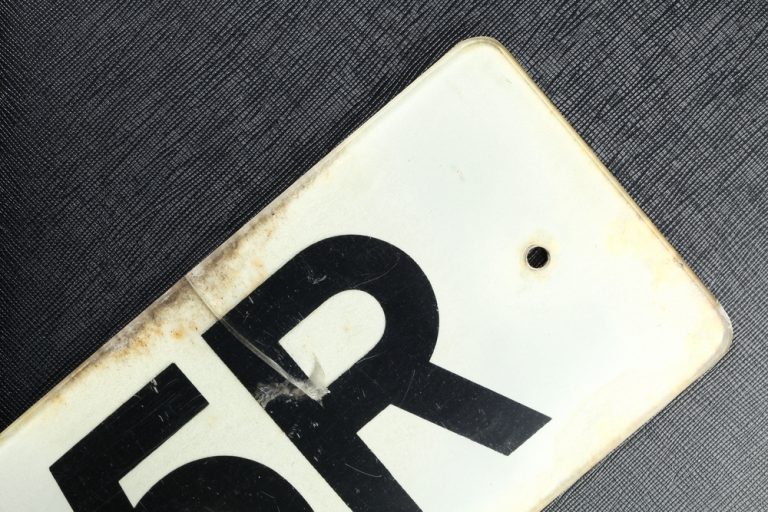
Not all number plates are made the same, and cheaper plates can become warped or cracked over time. This can cause them to be damaged or snap under vibration, and might lead to further issues moving forward.
If you’ve noticed your plate yellowing, fading, or cracking, it’s time for a replacement. Our article on faded number plates and UK legal requirements explains when it becomes illegal to drive with damaged plates.
How to Fix:
At Number Plate Clinic, all our plates are DVLA-compliant, BS AU 145e certified, and built for long-term use. Choose from:
Each is made with premium materials designed to withstand rain, pressure washing, and UV damage.
Extreme cold can make adhesives brittle, while heat softens them. Combine that with vibration and exposure to road debris, and your plates can eventually shake loose.
How to Fix:
If you are in an area with extreme weather conditions, you should look to affix your number plates in a way that counteracts the weather and makes them safer and more secure.
High-pressure water jets and mechanical brushes can dislodge loosely mounted plates. If you use automatic washes often, make sure your plates are properly fitted and check after each wash.
Even a light bump can loosen fittings or crack the plate itself. After any minor collision, it’s good practice to check that both plates are still secure and aligned.
Certain vehicles have uneven bumpers, making it difficult to mount or attach number plates. This is especially true for things like sports vehicles and imported cars, and it might require screws, brackets, or alternative mounting methods to sort this out.
If you own a car with a square recess, such as an SUV, you should consider buying square number plates as they are designed to fit snugly and reduce vibration risk. For a more angular, performance-inspired option, our Hex Lambo Plates are also available in compliant materials and custom sizes.
Number plates that keep falling off can be a nightmare, and might actually lead to further long-term problems, such as:
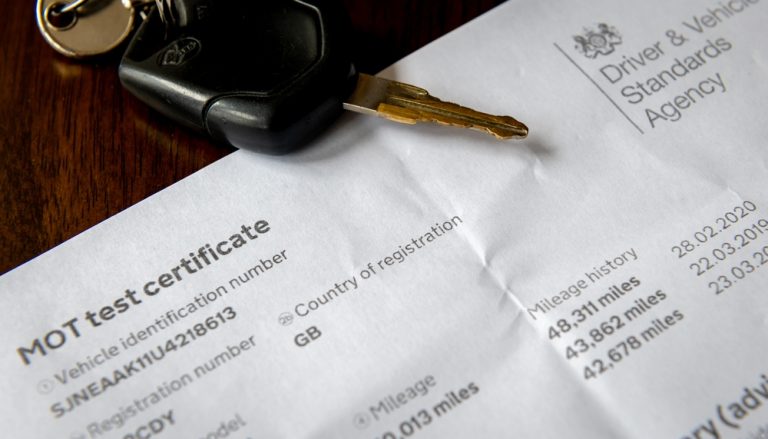
Per the DVLA guidelines, your car can fail its MOT if it is missing a number plate, or the plate is poorly attached or difficult to read. Learning about the standards that you need to adhere to, you should check out our guide on MOT regulations for number plates or check why plates fail MOT tests.
If you’re caught driving with damaged or missing plates, your insurance company could refuse a claim. Non-compliance with DVLA display rules can void your policy, as explained in the impact of illegal plates on insurance.
Now you’re familiar with the risks, it is important to think about the best ways of being able to keep your plates securely in place, and these are some of the factors that play a role in achieving this.
Avoid cheap double-sided tape. Instead, opt for automotive-grade adhesive pads or screw kits designed for plates. Check out the Number Plate Clinic accessories section to find out more about this and how to achieve this.
Before applying new pads, remove old adhesive residue with isopropyl alcohol and dry thoroughly. Dust or wax can prevent a strong bond.
Some number plate materials are naturally more rigid and durable, and this is why it is so important to make sure you choose the right plate. There are a number of key options that you can use that will help you to find the right number plates, including:
For motorcycles or smaller vehicles, check out our bike plates, all crafted for endurance and vibration resistance.
Why do your number plates keep falling off? Well, there are a number of reasons that could contribute to this. Most likely it is a result of poor fitting, low-quality materials, and regular wear and tear from weather.
No matter what the reason may be, this is a problem that you need to address and overcome immediately. Driving without a secure and legible number plate is unsafe and illegal, and this is why you have to make sure you choose the best quality plates possible.
At Number Plate Clinic, we specialise in DVLA-approved plates that combine durability, style, and compliance and Hex Lambo plates for modern vehicles. If you’re tired of plates falling off, get in touch with our team today for expert fitting advice and premium, long-lasting replacements.[/vc_column_text][/vc_column][/vc_row]