[vc_row][vc_column][vc_column_text]How thick can 4D plates be? Is there a limit to this? We will answer these important questions in this article, so keep reading to find out.
If you are wondering, ‘how thick can 4D plates be?’, you’re probably thinking of getting yourself a pair for your vehicle. However, there are some interesting questions surrounding this question, and there are key reasons for why there are rules in place surrounding the character thickness of these plates.
If you want to find out what the rules are and why, just keep reading. We’re going to go through what you need to know to stay on the right side of the law with your number plates.
At Number Plate Clinic, we answer all your burning questions. From why there is no Z in number plates and how to fit 4D plates to whether carbon gel plates are being replaced by 4Ds, we talk about it all. If you want to find out more, we have plenty for you to explore.

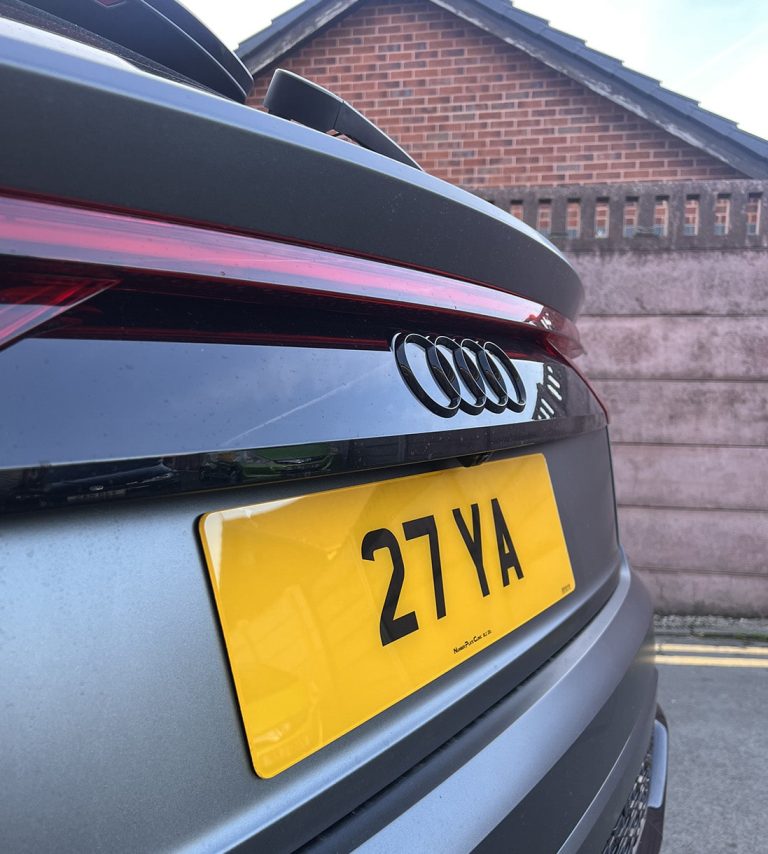
Made from laser cut acrylic characters on either an acrylic or aluminium sheet base, 4D number plates are attractive and stylish. The characters stand out from the case instead of being printed flat like standard plates, which means that they will cast shadows if light is shined on them.
4D plates are perfectly visible to cameras, ANPR, and ULEZ, and they are made using fully DVLA-compliant and legal materials – provided you get them from a registered seller like us. You will not fail your MOT unless you cut your plate down, don’t follow the 2024 private plate laws, or have carbon gel plates.
Because 4D (and 3D) plates are considered a modification, you should declare them when doing your vehicle insurance. Any plate other than the standard printed plate should count as a modification, so always keep this in mind when looking at dimensional plates.
But please remember – 4D plates, and any other plates, are only legal when the below rules are followed in accordance with the UK government:

If you’re wondering how thick plates can be, there are two separate answers for this – the thickness of the base plate itself, like a standard printed plate, or the thickness of the characters on dimensional plates, like 3D or 4D plates.
Looking at the sheet base, which can either be made from aluminium or acrylic, the thickness tends to be somewhere between 1.5 mm to 6.5 mm depending on the material, where acrylic plates are thicker than their aluminium counterparts.
If we are talking about the thickness of the characters on 4D plates, there are two options to consider. However, there are also gel variations to look at, so you can get the best of both worlds when you are picking your new plates.
There are two 4D plate thicknesses to consider:
There are also gel options to consider:
It’s worth mentioning that there are also sometimes 7mm thickness options available for 4D number plates. However, 5mm is the thickest ‘safe’ option, so characters that are any thicker are not recommended because the characters can be misinterpreted by the naked eye and cameras, which can be a security risk.
There are a variety of 4D plate types, and they can be different thicknesses depending on preferences, as mentioned above. However, there are also non road-legal 4D plate options to consider if you wish to use a plate for decoration or to be used as a show plate.
Some plates are tinted, have glitter letters, have a carbon effect, or have a colourful backing such as red or blue. These can all add something different to an already excellent plate, but remember – these are not legal for road use.
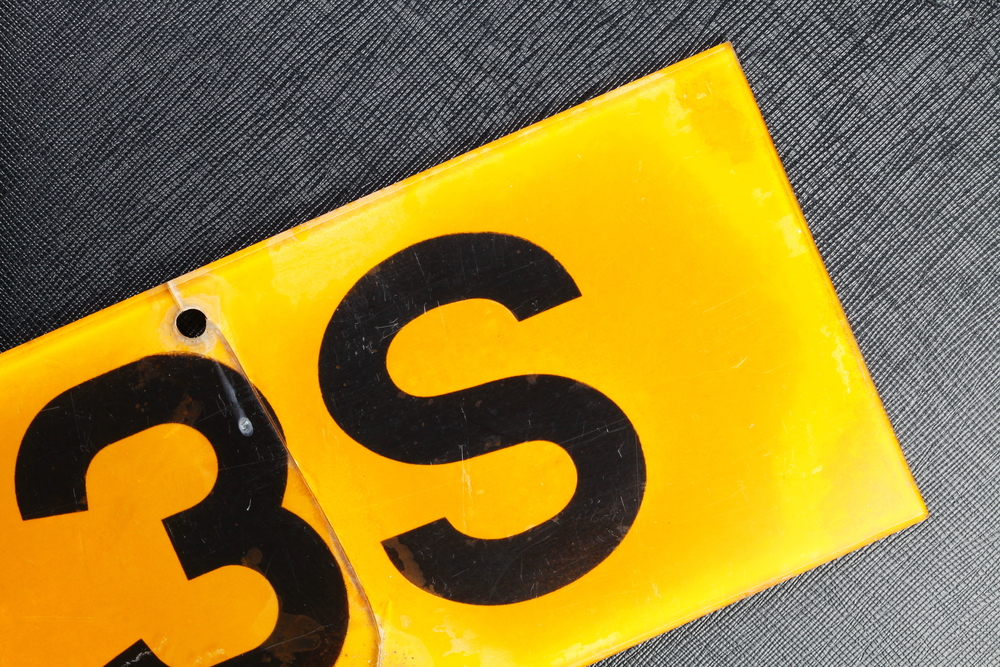
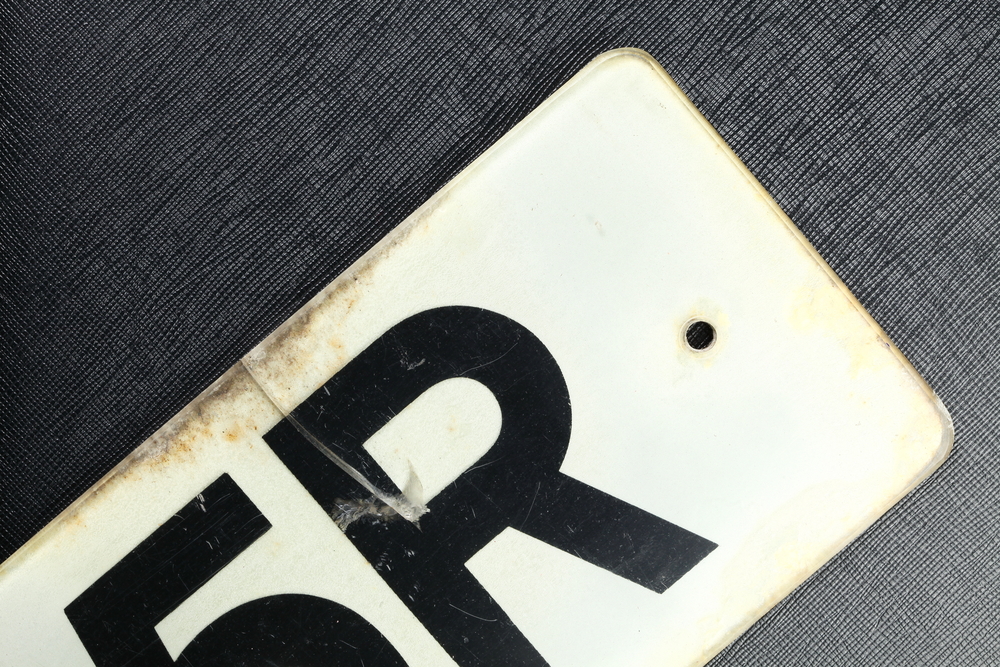
If the characters on a number plate are too thick, they can become distorted and difficult for both humans and cameras to see. Since number plates play a key role in security in the UK, this will have a major negative impact on law enforcement and safety.
When it comes to number plates, there are strict rules and guidelines that need to be followed regarding the dimensions of the plate and the characters on it, as listed below:
These are not things that you need to worry about if you are getting your plates from a trusted plate provider like Number Plate Clinic. However, there will be plenty of shops that will offer plates that are advertised as DVLA-compliant when they are not. Because of this, we will always recommend that you do your research before selecting a plate provider.
To order a number plate from us, you are going to need to input information such as your registration, the plate type you want (and how many), if you want legal or show plates, the type of fitting you want, and any additional notes.
To order any kind of number plate through us, follow these steps:
As long as you can provide all the information that we need, the process will be quick and straightforward, and you can get your plate delivered to you in no time.
At Number Plate Clinic, we look at why 4D plates are the best alternative to standard plates, 4D plate trends and predictions, explore all the top reasons to upgrade your vehicle to 4D plates, and much more. As the best alternative to Halfords for all your plate needs, we would love to supply you with your new favourite modification, including 4D hex plates.
So, how thick can 4D plates be? These plates come in 3mm and 5mm character thickness options, with unsafe 7mm options being offered in some shops. However, the thickness of the plate sheet can vary from around 1.5mm to 6.5mm, depending on the material used.
[/vc_column_text][/vc_column][/vc_row]