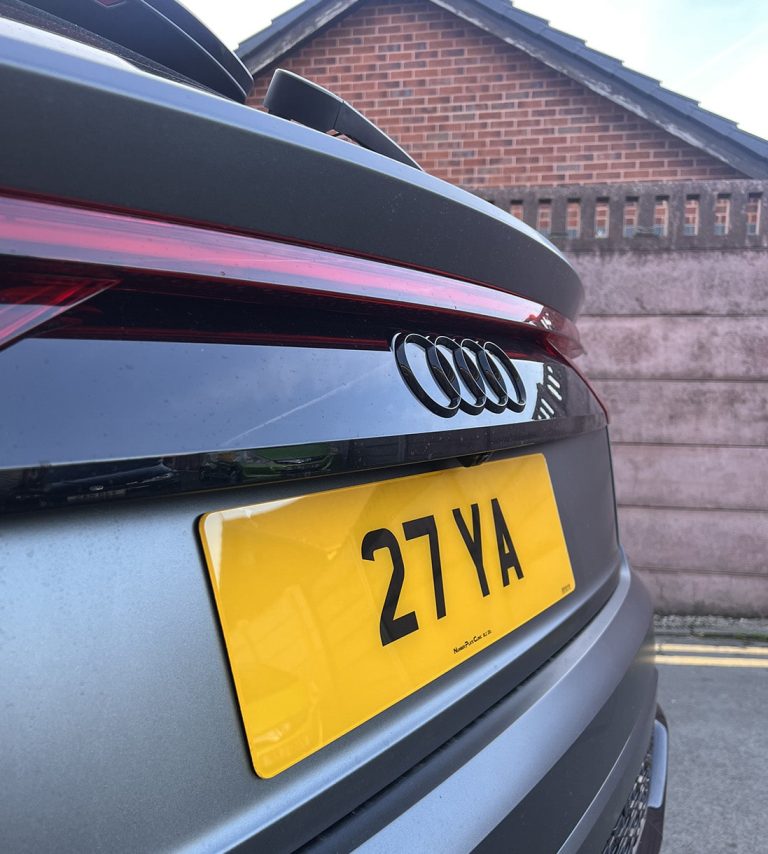

Personalising a vehicle often starts with the registration, but for many UK drivers, the customisation does not stop at the letters and numbers. While 3D and 4D styles offer physical depth, the classic 2D plate remains a versatile canvas for those who prefer a sleek, flush finish. However, when you start adding borders, flags, and side badges, it is easy to accidentally cross the line between a stylish upgrade and a non-compliant modification. Understanding the legal boundaries ensures your vehicle stays on the right side of the Driver and Vehicle Licensing Agency (DVLA) while still reflecting a bit of your personality. To start with the basics, you might find our 2D plates explained guide useful for understanding the foundation of these designs.
In the UK, all road-legal number plates must adhere to a specific British Standard known as BS AU 145e. This standard is not just a suggestion; it is a set of rules that governs everything from the strength of the acrylic to the exact shade of the reflective backing. When you choose a 2D printed number plate, you are opting for a format that is inherently designed for high visibility and durability. Because these plates are flat, they are particularly effective at maintaining the necessary levels of reflectivity required for ANPR (Automatic Number Plate Recognition) systems to function correctly. You may wonder what happens if your 2D number plate is not reflective enough, as this can lead to legal penalties and failed inspections.
The rules for customising these plates are quite specific. You are allowed to add certain non-reflective elements, such as borders and specific national identifiers, provided they do not interfere with the readability of the registration mark itself. This is partly why do car dealerships usually fit standard 2D number plates as a default; they are the safest bet for guaranteed compliance across the board. If you decide to go beyond the dealer-fit basics, you need to ensure each addition meets the current legal criteria. If you are working with a unique vehicle, you should check if can imported cars use standard UK 2D number plates before making a purchase.
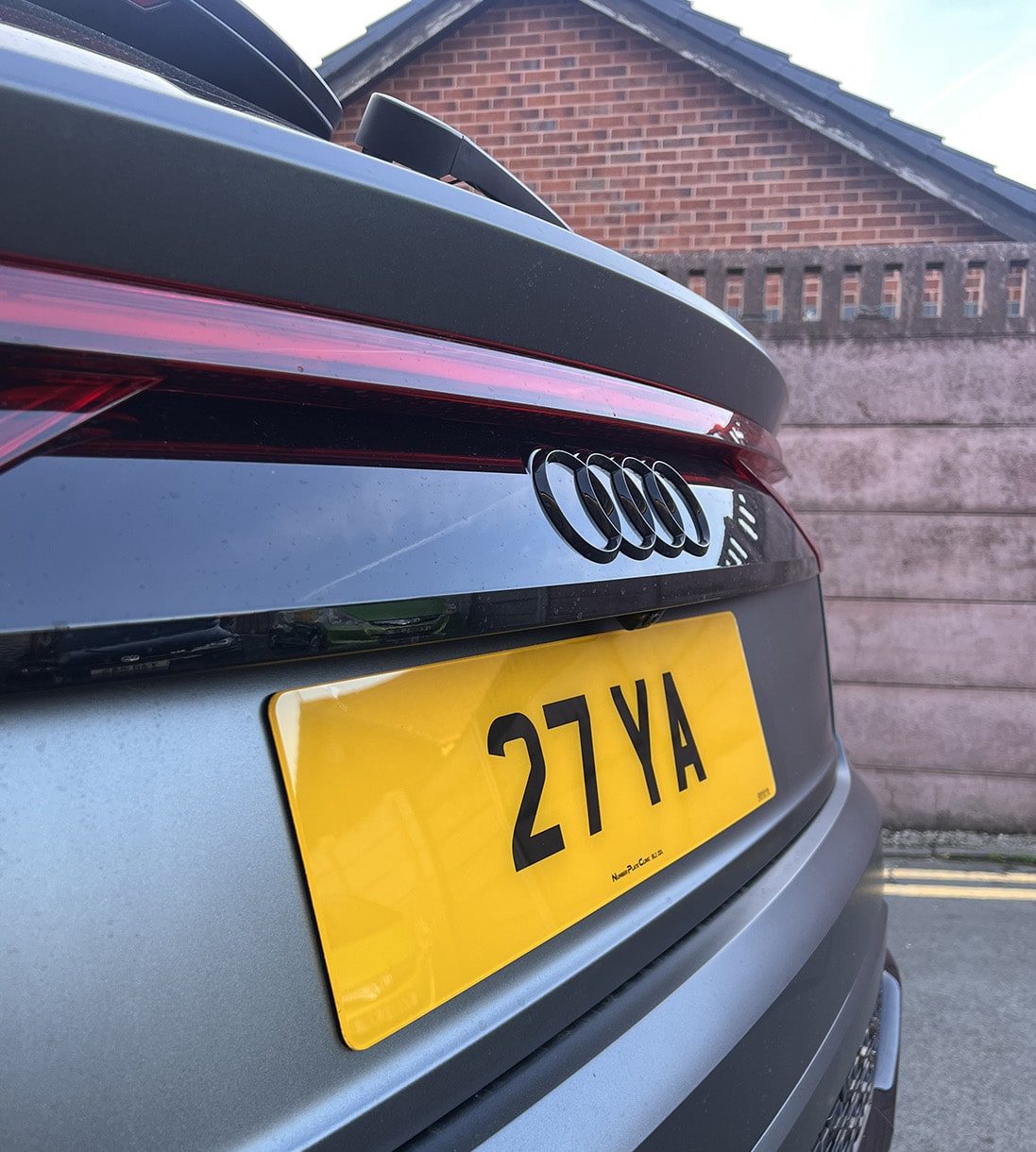
One of the most common ways to customise a plate is by adding a national flag or an identifier on the left-hand side. Under current UK regulations, you are permitted to display specific flags on a road-legal plate. These include the Union Jack, the Cross of St George, the Scottish Saltire, and the Red Dragon of Wales. These must be accompanied by the relevant initials, such as UK, GB, England, SCO, or CYM. This applies to standard cars as well as bike plates for motorcycles.
Since 2021, the UK identifier with the Union Jack has become the standard for drivers travelling abroad. If you have an older plate with a different flag, you might be wondering how to tell when your number plate needs replacing. While older EU flags are still legal to display within the UK, they no longer qualify as a valid identifier for international travel. For those driving electric vehicles, EV Plates feature a green side flash as a legal customisation, signalling the car’s zero-emission status. Even for heritage vehicles, there are rules regarding 2D number plates on classic and pre-1973 cars that owners must follow.
Borders are a popular way to frame a 2D plate, providing a finished look that distinguishes your car from the crowd. Legally, a border must be a single, non-reflective permanent colour. It cannot be wider than 5mm and must not come within 10mm of the characters themselves. This ensures that the border does not bleed into the registration mark when viewed by cameras or in low-light conditions. Many fleet and company vehicles almost always stick with standard 2D number plates without borders to maintain a strictly uniform, professional appearance, but for a private owner, a simple black or blue border is a perfectly legal way to add a personal touch. You might also consider are pressed metal plates classed as 2D plates when looking at different border and material options.
It is important to distinguish between what can be driven on the motorway and what is strictly for the driveway or a car show. If you want a border that features patterns, multiple colours, or reflective materials, these fall into the category of show plates. Similarly, side badges that feature football club crests, brand logos, or custom graphics are not road-legal in the UK. These elements can distract from the registration mark or confuse software, which is what happens if ANPR cameras cannot read your 2D number plate, potentially leading to a stop by the police.
For those who want a truly unique look for photography or events, options like the hex lambo number plate offer a striking geometric shape that deviates from the standard rectangle. While these look incredible on a vehicle at a meet, they are not intended for use on public highways unless they strictly meet sizing rules. You might also ask can you have a smaller 2D number plate in the UK; while short number plates are legal if the margins are correct, they must still contain all mandatory information. Always ensure that when you shop for plates, you are clear on whether the product is intended for road use or display only.
Once you have chosen your legal customisations, keeping them in good condition is vital for long-term compliance. The reflective backing and the printed characters must remain clear and undamaged. Over time, road debris and harsh weather can take a toll. You should know how to clean a 2D number plate without scratching the reflective layer, as deep scratches can cause light to scatter, making the plate harder to read. You should also check do 2D plates survive winter road salt better than gel plates to understand how your choice holds up. Avoid using abrasive sponges, and be careful with power tools; can a jet wash damage a 2D number plate? Yes, if used too closely, it can compromise the adhesive or the reflective film.
Environmental factors are another consideration. While high-quality materials resist fading, you might wonder do 2D number plates fade in the sun? Modern BS AU 145e compliant plates are tested for UV stability, but if you notice the background is losing its vibrancy, it might be why your number plate is turning yellow or why has my 2D number plate lost its shine. Furthermore, do dirty 2D plates cause MOT failures? Absolutely, so keeping them clean is essential. If you are replacing an old one, learn how to safely remove old adhesive from a 2D plate without damaging the bumper during the swap.
In these cases, a replacement is necessary to ensure you pass your next MOT. Knowing how to order a replacement number plate online from a DVLA-registered supplier like Number Plate Clinic makes the process straightforward. You should also be aware of white front yellow rear why UK number plate colours are legally fixed to ensure your new set is correct. If you’ve been in a collision, should you replace number plates after a minor accident? It is often recommended if there is any structural damage. Similarly, you should know what happens to your number plates when you write off your car regarding the registration rights.
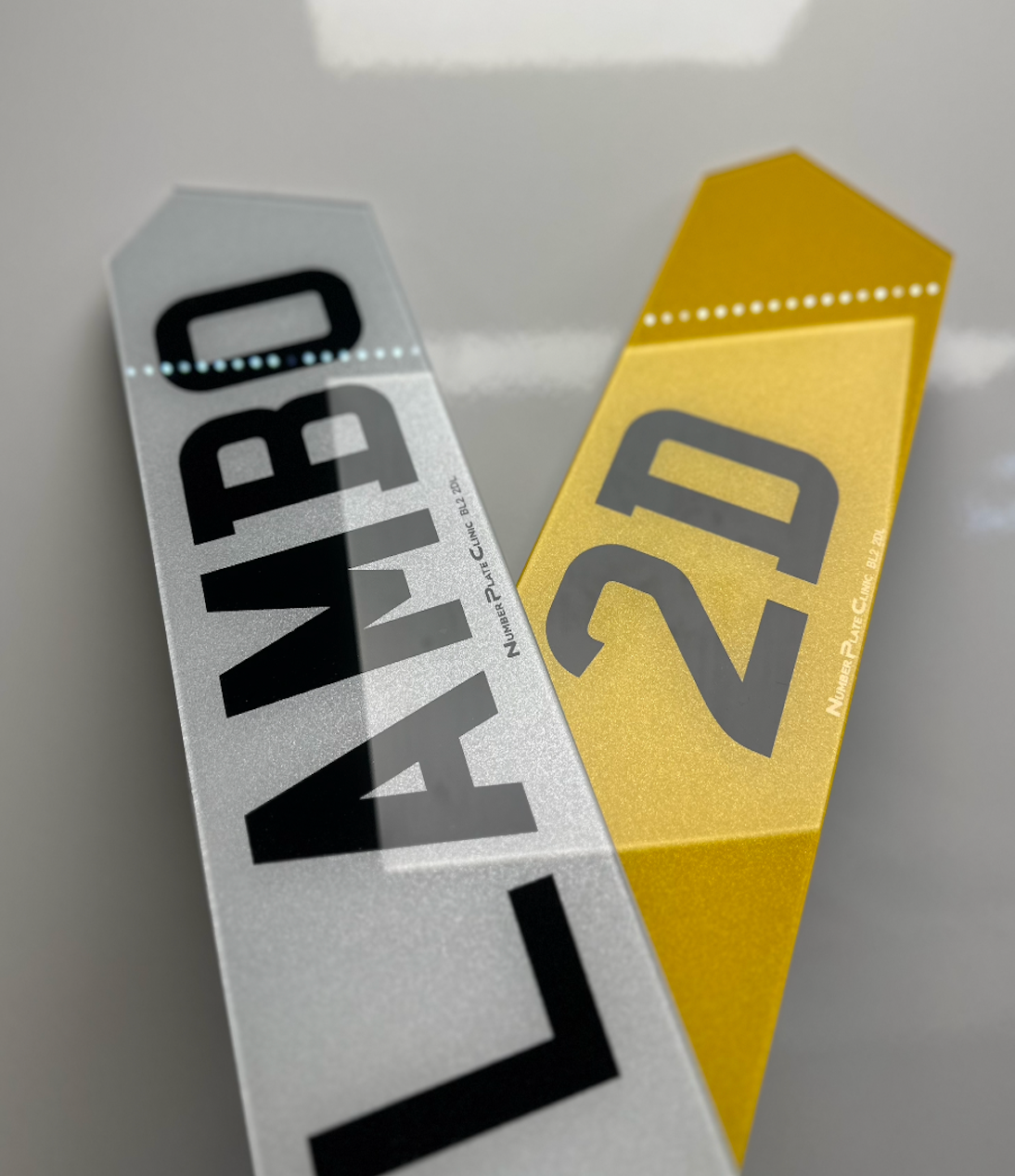
The final step in customisation is how the plate is attached to your vehicle. A perfectly legal plate can become a problem if it is falling off or vibrating against the bodywork. If you are hearing strange noises from the front or rear of your car, it helps to understand why do 2D number plates rattle and how do you stop it. Using high-quality number plate accessories like Fitting kits or Number plate holders can prevent these issues and help you understand what to do if your number plate falls off in the UK.
For those who prefer a traditional mechanical fix, you must be careful. You should learn can you drill a 2D number plate without cracking it to avoid damaging the acrylic. Any screw used should not obscure or change the appearance of the characters, as this is a common reason for MOT failure. By following a how to replace a 2D number plate at home simple step-by-step guide, you can ensure your customised plates are fitted safely and legally. If you are starting from scratch, you can search plates to find a new registration that suits you.
Whether you are looking for a standard replacement or a subtly customised 2D plate, Number Plate Clinic offers a range of road-legal options that meet all UK standards. If you have questions about specific customisations or need to know what documents do you need to buy 2D number plates in the UK, our team is available seven days a week to help you make an informed choice. You can find out more by checking what documents do you need to get a replacement number plate or seeing if can you buy 2D plates without a V5C logbook. For direct support, contact us or check our latest news for more tips.