


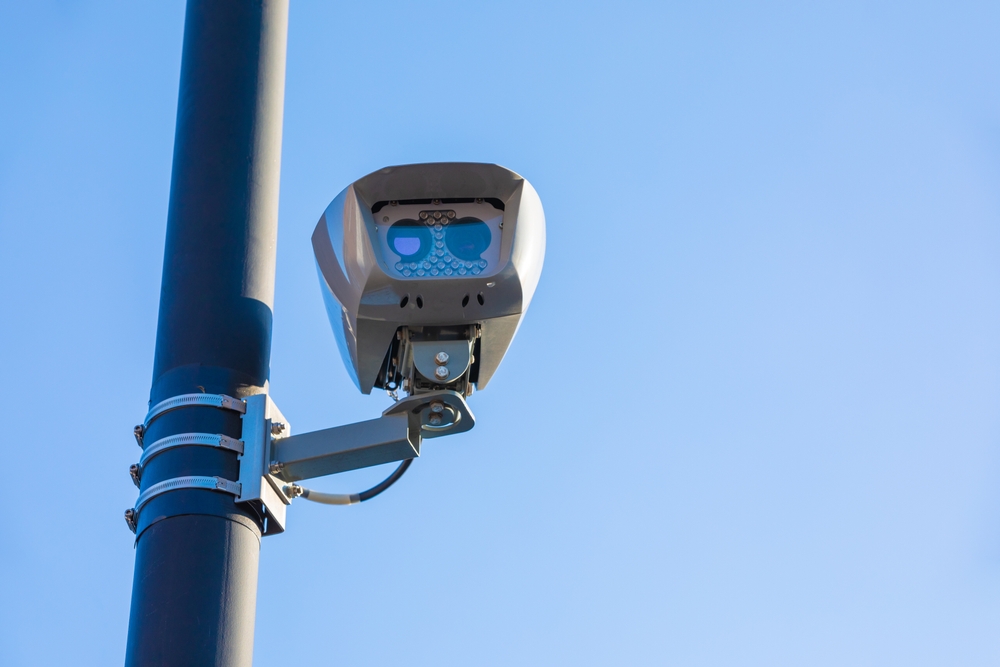
If you’re considering 3D gel number plates for your vehicle, you might be wondering whether they could cause problems with Automatic Number Plate Recognition systems. It’s a valid concern. ANPR cameras are used across the UK for everything from congestion charging to vehicle tracking, and the last thing you want is a misread that causes unnecessary hassle.
The short answer is that properly manufactured, DVLA compliant 3D gel plates should not trigger ANPR errors. However, understanding why some plates work flawlessly whilst others can cause recognition issues will help you make informed decisions and choose plates that combine style with reliability.
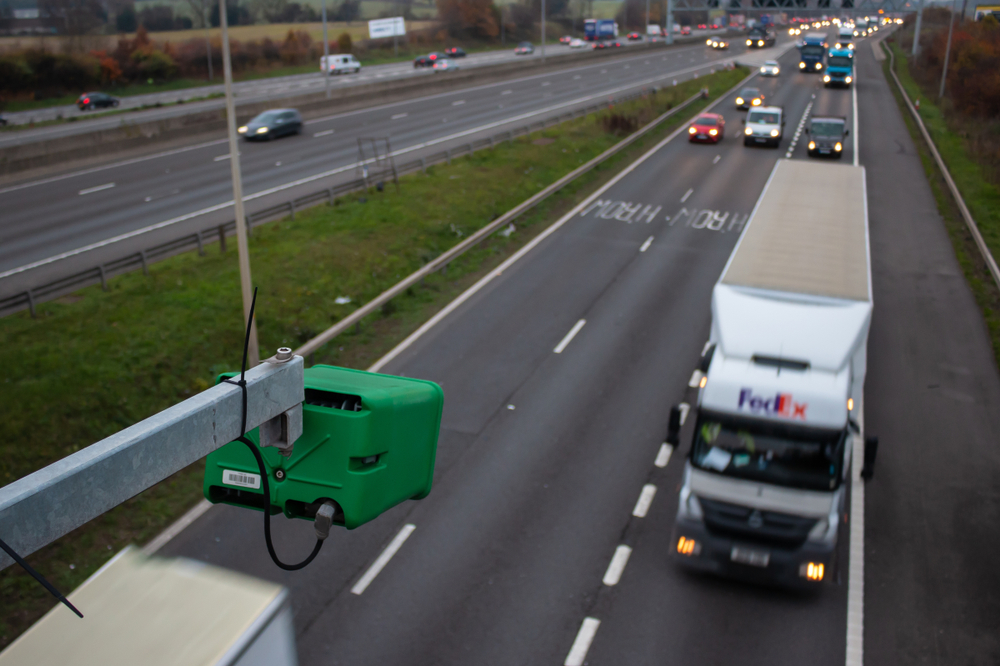
ANPR technology captures images of vehicle number plates and converts them into digital text using optical character recognition software. These systems are deployed on motorways, in car parks, at toll points, and throughout urban areas for traffic management and law enforcement purposes.
The cameras rely on clear contrast between characters and the plate background, consistent reflectivity, and standardised spacing and font dimensions. When a plate meets British Standard BS AU 145e, which governs DVLA regulations for 3D and 4D number plates, it provides the right combination of reflective properties and character definition for reliable machine reading.
Modern ANPR systems use infrared illumination to enhance contrast in various lighting conditions. The reflective acrylic backing of a number plate bounces this light back to the camera, making the characters stand out clearly against the background. This is why reflectivity standards matter just as much as character spacing and font choice.
Several factors can interfere with ANPR accuracy, regardless of whether you have 3D gel, 4D laser cut, or 2D printed plates. Dirt and grime covering the plate surface are common culprits, as are physical damage like cracks or fading. Poor installation that leaves plates at extreme angles can also reduce readability.
Non compliant plates pose the biggest risk. Incorrect character spacing, non standard fonts, or reflective coatings that don’t meet specification can all confuse ANPR software. This is why choosing a registered supplier matters, whether you’re ordering standard plates, bike plates, square plates, or specialist designs like hex Lambo style plates.
The raised gel resin characters on 3D plates add texture and depth, which naturally raises questions about whether this affects camera recognition. The good news is that when 3D gel plates are manufactured to the correct standards, they perform just as reliably as traditional flat plates in ANPR systems.
The key lies in compliance. According to guidance from the DVLA and research into ANPR performance, plates that meet British Standards maintain the required reflectivity levels and character definition regardless of whether the lettering is raised or flat. The gel resin itself is transparent, so it doesn’t block the reflective background or create shadows that could confuse cameras.
Independent testing has shown that DVLA compliant 3D gel plates register correctly with ANPR systems across a range of lighting conditions, angles, and distances. The raised profile doesn’t significantly alter how infrared light reflects back to the camera, and the character edges remain crisp and well defined.
Problems only arise when 3D plates are poorly manufactured or incorrectly installed. Excessive gel thickness, non standard character dimensions, or reflective materials that don’t meet specification can all reduce ANPR accuracy. This is why understanding the manufacturing process behind 3D gel number plates helps you identify quality products.
Understanding what influences ANPR performance helps you choose and maintain plates that work reliably in real world conditions.
ANPR software relies on precise character spacing and font dimensions. Compliant 3D gel plates use the Charles Wright font at the legally required size and spacing. The gel resin should outline characters cleanly without obscuring edges or creating blur.
Non compliant plates that use incorrect fonts, oversized characters, or irregular spacing will struggle with ANPR systems regardless of the 3D effect. This is a manufacturing quality issue rather than a problem inherent to 3D gel technology itself.
The reflective acrylic backing must meet Class 1 or Class 2 reflectivity standards depending on the vehicle type. This ensures that infrared illumination from ANPR cameras produces clear, high contrast images.
Quality 3D gel plates use approved reflective materials that maintain consistent performance over time. Cheaper alternatives may use inferior backing that degrades quickly, reducing reflectivity and increasing the risk of misreads. If you’re sourcing plates in Leicester, Nottingham, or West London, always verify that suppliers use certified materials.
A clean plate performs better than a dirty one. Road grime, mud, and salt residue can all reduce contrast and reflectivity, making it harder for ANPR systems to read characters accurately.
Regular cleaning keeps your 3D gel plates performing optimally. Use pH neutral car shampoo and a soft cloth, avoiding high pressure washers at close range. If you notice reduced reflectivity or character clarity, it may be time to replace your plates rather than risk recognition issues. For guidance on this, see our article on how to remove and replace 3D gel number plates safely.
Plates should be mounted vertically or as close to vertical as your vehicle’s design allows. Extreme angles can reduce ANPR accuracy by distorting the camera’s view of the characters.
Proper installation also prevents plates falling off, which would certainly cause ANPR errors since there would be nothing to read. Whether you’re fitting plates to a car, motorcycle, or commercial vehicle, follow manufacturer guidelines for mounting position and hardware.
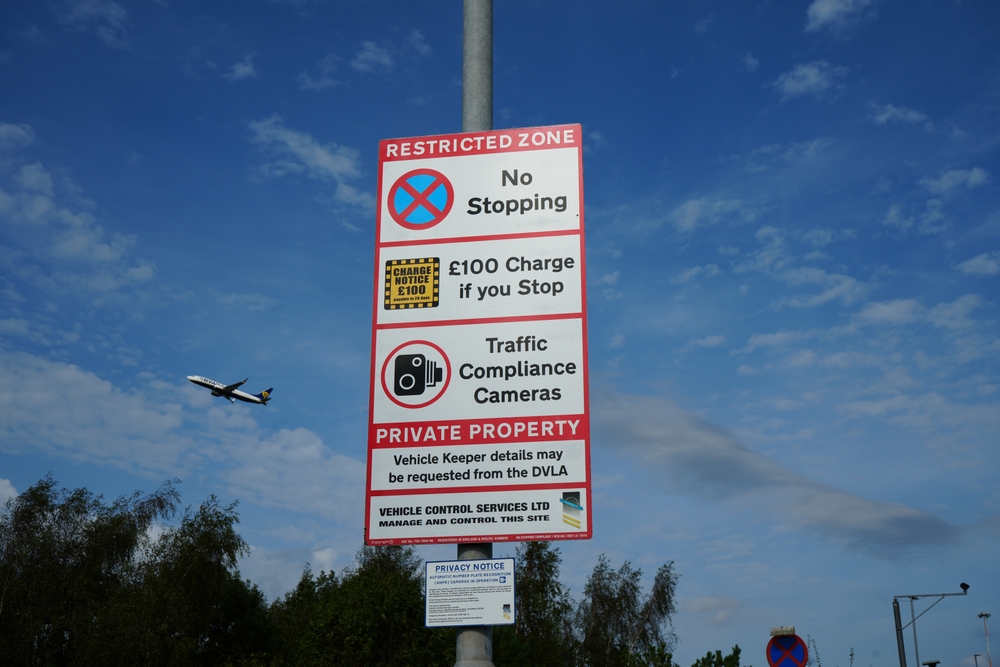
When choosing 3D gel plates with ANPR reliability in mind, look for products that meet these criteria:
These standards apply whether you’re buying plates for personal use, fleet vehicles, or specialist applications like 3D gel plates on electric vehicles. They also matter if you’re preparing for lease return, as you’ll want to ensure 3D gel plates are accepted by inspectors.
For transparency, you should also consider informing your insurer about 3D and 4D number plates, particularly if you’ve invested in expensive private number plates that you want properly documented.
Making the right choice comes down to asking the right questions and knowing what to look for.
Check that your supplier is a registered number plate supplier with the DVLA. Ask about the materials used and request confirmation that plates meet BS AU 145e. Look for customer reviews or testimonials mentioning ANPR performance, and verify warranty coverage in case of premature issues.
If you’re in Belfast, Edinburgh, Bradford, or any other UK location, choose suppliers who understand local conditions and can advise on the best products for your needs.
Follow the manufacturer’s installation instructions carefully. Ensure plates are mounted securely at the correct angle and position. Double check that all characters are clean and free from defects before fitting.
If you’re unsure about DIY installation, professional fitting ensures everything is done correctly from the start. This is particularly important for complex applications such as show plates or vehicles with non standard mounting points.
Inspect your plates regularly during routine vehicle cleaning. Look for signs of wear, damage, or reduced reflectivity. Clean plates promptly if they accumulate dirt, and address any damage before it affects readability.
Remember that even minor issues can compound over time. Plate warping, though less common with quality 3D gel plates, should be addressed promptly if it occurs.
DVLA compliant 3D gel plates do not inherently cause ANPR errors when manufactured to the correct standards and properly maintained. The raised gel characters, when applied correctly, don’t interfere with the reflective properties or character definition that ANPR systems rely on.
Issues arise from poor manufacturing, non compliant materials, or inadequate maintenance rather than from the 3D design itself. By choosing certified plates from registered suppliers, ensuring correct installation, and keeping your plates clean, you can enjoy the enhanced appearance of 3D gel lettering without compromising ANPR reliability.
If you have questions about which 3D gel plates are right for your vehicle, need advice on compliance, or want to discuss number plate accessories, we’re here to help. Contact us for expert guidance on choosing plates that meet both your aesthetic preferences and legal requirements.
Driving with illegible or non compliant plates carries the same risks as driving without a front number plate, so making the right choice matters for both style and peace of mind.
We use cookies to improve your experience and run personalised ads. You can accept or manage your preferences.
Extra 10% OFF on Sale Product
Use Code ‘Blog10’