


When you invest in 3D gel number plates, you’re entitled to know how long they should serve you. It’s a straightforward question that deserves a clear answer, but the truth is that 3D gel plate lifespan depends on several factors, from the materials used to how you look after them.
In this guide, we’ll explain what realistic timescales you can expect from DVLA compliant 3D gel plates, the conditions that affect their longevity, and how to get the most from your investment. Whether you’re a private motorist, a fleet manager, or simply someone who values both quality and compliance, you’ll find practical information to help you make informed decisions.
A well made, properly installed 3D gel number plate should typically last between 5 and 10 years under normal UK driving conditions. This timeframe assumes the plates have been manufactured to British Standard BS AU 145e, fitted correctly, and maintained with reasonable care.
The range exists because no two vehicles experience identical conditions. A car garaged overnight in a suburban area will see different wear patterns compared to a commercial vehicle parked outdoors year round in a coastal town. Similarly, 4D laser cut acrylic plates and 2D printed plates have their own longevity profiles, but 3D gel resin offers a good balance of durability and aesthetic appeal.
What matters most is starting with DVLA compliant plates from a registered supplier. Substandard materials or non compliant manufacturing processes often lead to premature fading, cracking or adhesive failure, which means you’ll face replacement costs sooner than expected.
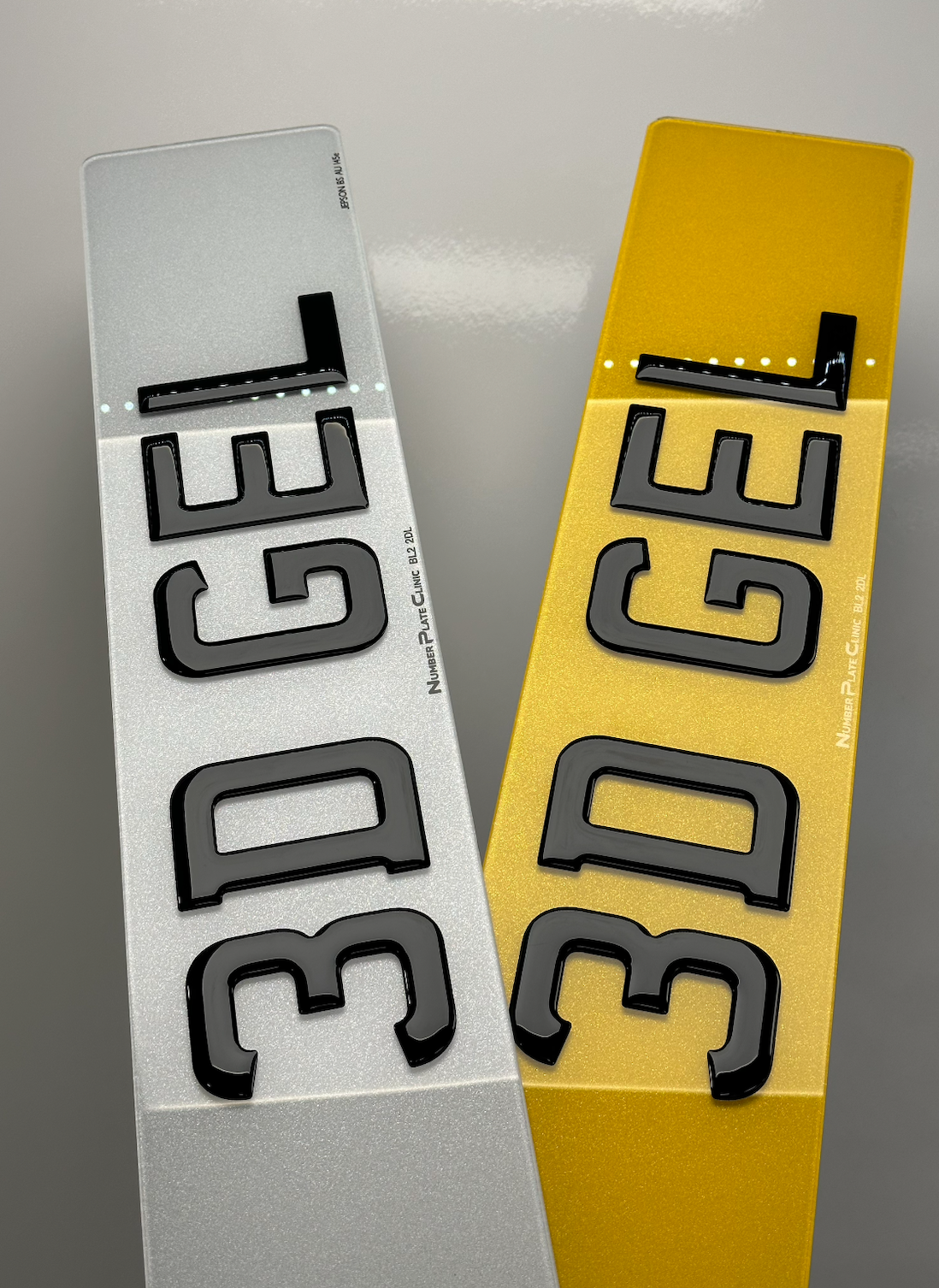
Several elements determine how long your 3D gel plates will maintain their appearance and compliance. Understanding these factors helps you make better choices when purchasing and caring for your plates.
Weather and climate play a significant role in number plate durability. UV exposure gradually breaks down inferior resins and adhesives, leading to yellowing or brittleness. In coastal regions, salt laden air accelerates corrosion of backing materials and can weaken the bond between gel characters and the plate surface.
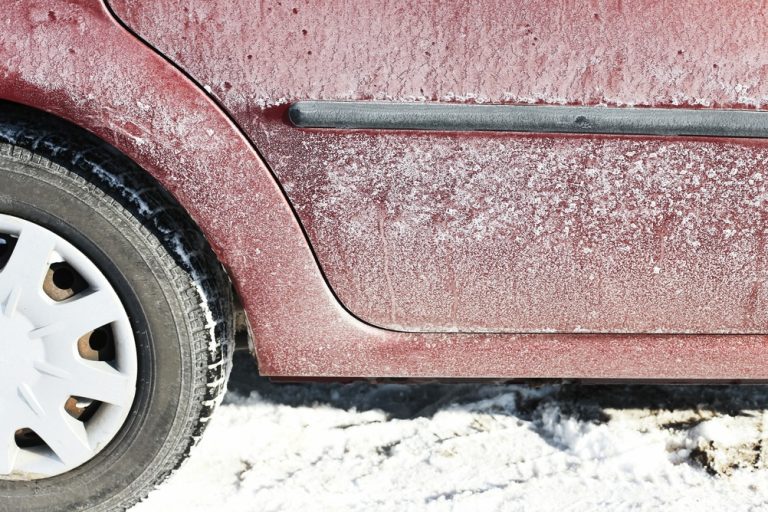
If you live in areas with harsh winters, the repeated freeze thaw cycles can stress the plate structure. Snow, ice and road salt add further challenges. Conversely, vehicles primarily driven in milder, inland climates tend to see plates last towards the upper end of the 5 to 10 year range. This is one reason why we supply 3D gel and 4D plates across the UK, including challenging environments in Edinburgh, Belfast, and coastal Southampton.
Even the best materials won’t deliver their full lifespan if fitted poorly. Incorrect positioning, inadequate adhesive coverage, or over tightening of fixings can all introduce weak points. Removing and replacing 3D gel plates safely requires attention to detail, and professional installation is always recommended where possible.
Proper installation ensures the plate sits flush against the vehicle, reducing flex and vibration that can weaken the gel resin bond over time. It also avoids creating pockets where moisture can gather, which is particularly important for bike plates and square plates where space and mounting options may be limited.
Not all 3D gel plates are created equal. Understanding the DVLA regulations for 3D and 4D number plates is the starting point, but compliance alone doesn’t guarantee longevity. The grade of acrylic backing, the UV stability of the gel resin, and the reflective properties of the base material all contribute to how well a plate withstands years of use.
Registered suppliers who follow the manufacturing process behind 3D gel number plates use approved materials designed to meet both legal standards and real world durability requirements. Cheaper alternatives may appear compliant at first glance but often use inferior resins that degrade quickly or reflective films that lose effectiveness within months. According to the DVLA’s guidance on registration plates, plates must remain clear and legible at all times, which means weathered or faded plates aren’t just unsightly. They’re non compliant.
Regular, simple maintenance extends the life of your plates and helps you spot early signs of wear before they become compliance issues:
Many drivers overlook plate maintenance entirely, but a few minutes every few months can add years to your plates’ serviceable life. For those with show plates or custom designs like hex Lambo style plates, taking care of appearance is often a priority anyway.
Even the most durable plates eventually reach the end of their working life. Watch for these indicators:
If you’re unsure whether your plates meet current standards, it’s worth seeking advice. For example, if you’re preparing for lease return, you might wonder whether 3D gel plates are accepted by inspectors, and a quick check can save you stress at the last minute.
Remember that driving without a front number plate or with illegible plates can result in fines and MOT failures, so timely replacement is both a legal and practical necessity.
Reputable suppliers stand behind their products with clear warranty terms. When comparing options, look for:
A comprehensive warranty signals confidence in material quality and manufacturing standards. It also provides peace of mind that if your plates fail prematurely through no fault of your own, you’ll receive support. If you have questions about coverage, contact us for clarification on what’s included with your purchase.
When choosing 3D gel number plates, longevity should be one factor among several. Consider:
For specialised applications, such as 3D gel plates on electric vehicles or number plate accessories for motorcycles, always confirm compatibility and compliance before ordering.
It’s also worth noting that while some opt for the most expensive private plates as investments, the physical plate itself must still meet the same standards. Expensive registration marks deserve equally reliable presentation. Finally, if your plates are part of a modified or customised vehicle, you may need to inform your insurer about 3D and 4D number plates to ensure your cover remains valid.
A DVLA compliant 3D gel plate should reliably serve you for 5 to 10 years, provided it’s made from quality materials, properly installed, and maintained with basic care. Environmental factors, material standards, and how you look after your plates all influence where your plates fall within that range.
By understanding what affects 3D gel plate lifespan, you can make informed choices about which products to buy, how to care for them, and when replacement is due. Whether you’re in Leicester, Bradford, West London, or anywhere else in the UK, choosing a registered supplier committed to compliance and quality ensures you get plates designed to last.
If you have questions about which 3D gel plates suit your needs, need advice on maintenance, or want to discuss warranty options, we’re here to help. Explore our full range or get in touch for personalised guidance.
We use cookies to improve your experience and run personalised ads. You can accept or manage your preferences.