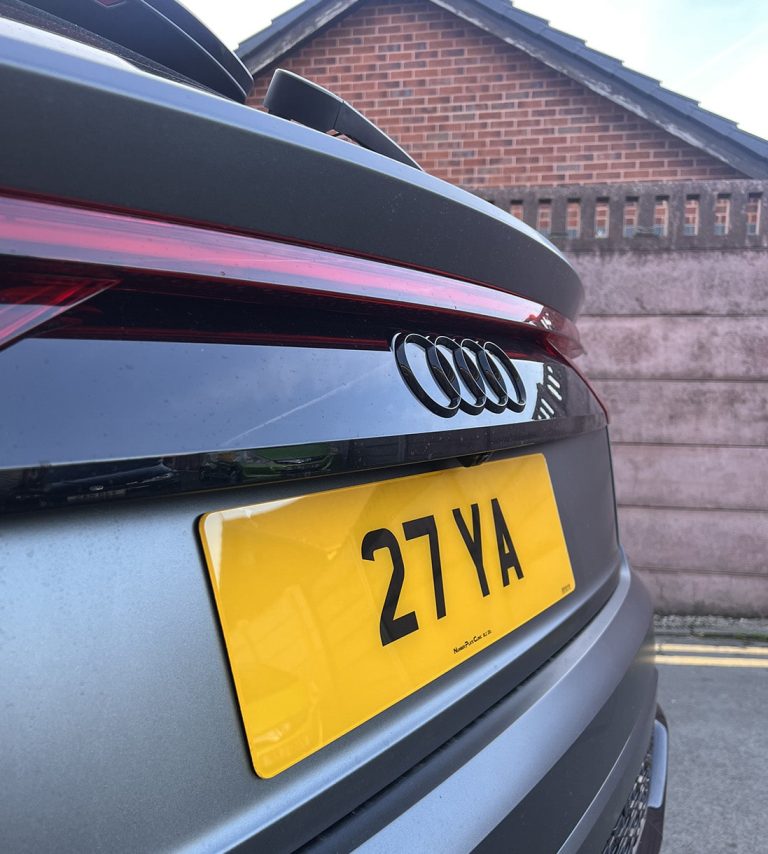

A minor bump in a supermarket car park or a low-speed nudge in traffic often feels like a surface-level headache. You check the bumper, inspect the paintwork, and perhaps breathe a sigh of relief when everything looks intact. However, the one component that often takes the brunt of a forward or rear impact is the number plate. Even if it stays attached to the vehicle, small amounts of hidden damage can quietly nudge your car into non-compliant territory.
For most UK drivers, the concern after a collision isn’t just the repair bill, but staying on the right side of the law. A number plate isn’t merely a plastic tag; it is a critical piece of safety and identification equipment. Knowing whether you need a number plate replacement after accident damage depends on more than just whether the plate is still hanging on. It comes down to visibility, structural integrity, and the strict standards set by the DVLA.
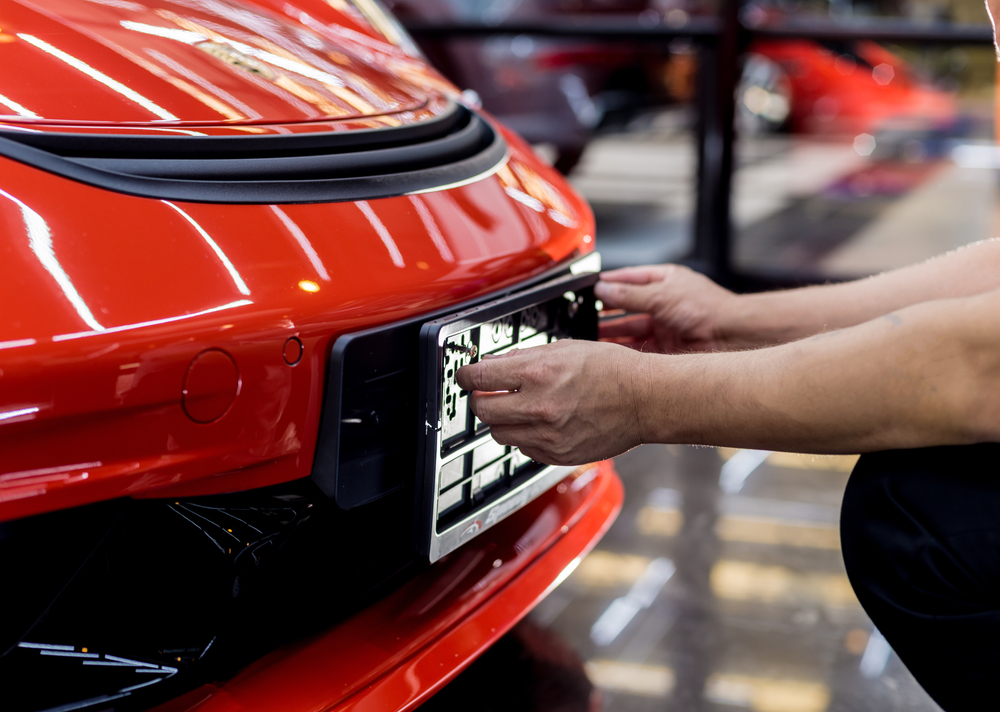
Minor accident number plate damage often manifests as small cracks, scuffs, or delamination, where the reflective layers begin to peel away from the acrylic. In the UK, the Road Vehicles (Display of Registration Marks) Regulations 2001 dictate exactly how a plate must look. If a scuff covers part of a letter or a crack runs through a digit, the plate is technically obscured. This can lead to serious issues with ANPR (Automatic Number Plate Recognition) systems used by the police or for managing toll zones.
It is worth noting what happens if ANPR cameras cannot read your 2D number plate, as even a hairline fracture can reflect light in a way that dazzles the camera sensor. Driving with damage also risks non-compliance regarding light return; you should be aware of what happens if your 2D number plate is not reflective enough following an impact. If the plate is no longer perfectly legible from 20 metres, it no longer meets road legal number plate requirements. Often, it is better to be proactive rather than waiting for a roadside stop or a frustrating MOT failure. For more details on compliance, you can see how we provide insight on road legality for all our products.
Not every microscopic scratch requires a trip to a specialist, but there are definitive markers that signify a plate is no longer fit for purpose. If you are unsure about the state of yours, you can read our guide on how to tell when your number plate needs replacing for a deeper dive into common wear and tear. Following an accident, look specifically for these issues:
Even if the plate looks acceptable from five feet away, any compromise to its physical structure means it may fail to meet the latest BS AU 145e standard plates criteria. This standard ensures plates are durable enough to withstand weathering and impact while remaining highly reflective for safety cameras.
The DVLA number plate rules impact every vehicle on the road, and the police have the discretion to issue fixed penalty notices for obscured marks. While some officers might offer a verbal warning for a very recent scuff, others may issue a fine if the damage looks long-standing. Beyond the immediate financial penalty, a damaged plate is a guaranteed way to fail an MOT. Interestingly, do dirty 2D plates cause MOT failures is a common question, and the answer is a firm yes — so a cracked or distorted plate certainly will.
Selecting a high-quality replacement is the easiest way to avoid these complications. Many drivers choose 2D Printed Plates because they are clear, durable, and the traditional choice for domestic cars. If you happen to manage a larger number of cars, you might wonder why do fleet and company vehicles almost always stick with standard 2D number plates, and the answer usually lies in their cost-effectiveness and guaranteed legal compliance.
Attempting to glue a cracked plate or tape over a split is rarely successful and usually illegal. Any repair that involves placing material over the characters or the reflective surface is a breach of regulations. It is far safer to replace cracked number plate units entirely. For those who enjoy a bit of DIY, we have a how to replace a 2D number plate at home simple step-by-step guide that walks you through the process. Just remember that if you have to secure it yourself, you should check can you drill a 2D number plate without cracking it before you start, as modern acrylic can be brittle if handled incorrectly.
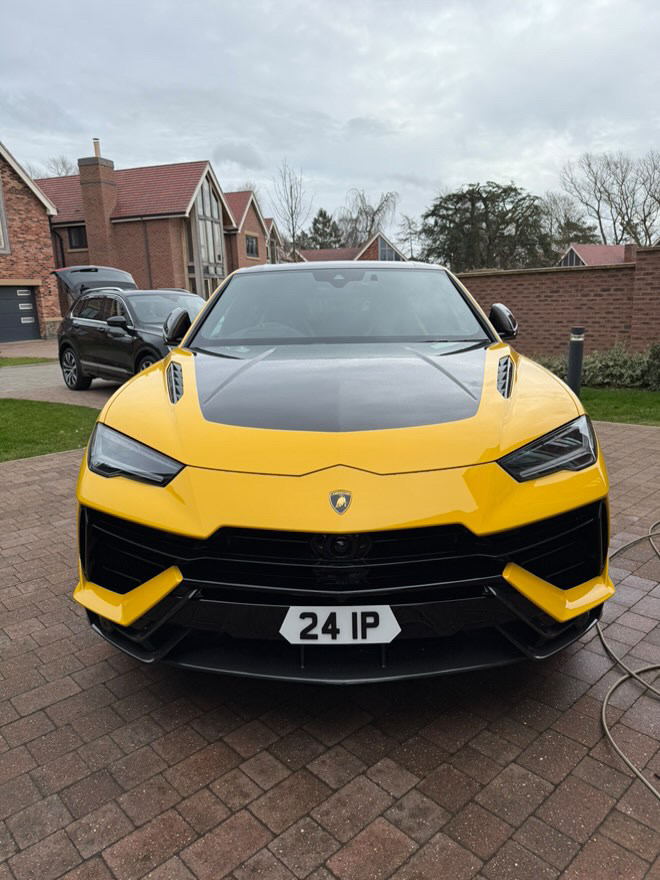
If you have decided that an accident has left your plates looking tired or illegal, you don’t necessarily have to stick to the exact style you had before. As long as the supplier is DVLA-registered, you have plenty of compliant options. Some drivers use the opportunity to switch to Short Plates if they have a shorter registration, or even explore distinctive shapes like a Hex / Lambo-Shape Plates design for a more custom look. For those on two wheels, our Bike Plates section offers the specific vertical formats required for motorcycles.
If you are confused about the terminology, such as are pressed metal plates classed as 2D plates, or if you need 2D plates explained in more detail, our team is always on hand to help. We even provide various number plate holders and accessories to ensure your new plates are mounted securely and look their best.
When you use a reputable number plate supplier UK, they must follow legal protocols. This means you cannot simply walk in and buy a set of plates without proof of entitlement. You will need to provide original documents to prove your identity and your right to the registration. You can find the full list of what documents do you need to get a replacement number plate on our dedicated advice page. If you are specifically looking for the standard flat style, we also detail what documents do you need to buy 2D number plates in the UK to make the process simple.
Some customers wonder can you buy 2D plates without a V5C logbook? The answer is yes, provided you have alternative proof, such as a V750 certificate or a renewal reminder. Once you have your documents ready, learning how to order a replacement number plate online is a quick and straightforward task.
After a minor collision, the priority is always safety and ensuring your vehicle remains legal to drive. While a number plate replacement after accident damage might feel like a minor item on your to-do list, it is one of the most important for avoiding unnecessary tension with road authorities. Whether you are looking for a standard replacement or want to use our search plates tool to find a whole new look, quality should be your baseline.
At Number Plate Clinic, we ensure every plate we produce is BS AU 145e compliant. You can browse our shop for road-legal options, or if you are preparing for a car show and need something bespoke that isn’t for road use, take a look at our Show Plates range. If the accident was more serious and you are navigating insurance claims, it might also be helpful to understand what happens to your number plates when you write off your car.
If you have any questions about number plate visibility after collision or need advice on can you have a smaller 2D number plate in the UK, our Bolton-based experts are ready to assist. You can contact us today via phone or email for clear, professional guidance on getting back on the road with total peace of mind.