There is a specific feeling of privacy and comfort that comes with tinted glass, especially when the sun is low on the horizon or you are stuck in stationary traffic. For many UK drivers, adding a tint is about more than just aesthetics; it provides heat rejection and a sleek finish to the vehicle. However, unlike the rear windows where you have total freedom, the front section of your car is governed by strict safety regulations that every owner needs to understand before booking an appointment.
Navigating these rules does not have to be complicated. The law is designed to ensure that visibility remains high for the driver while allowing pedestrians and other road users to make eye contact, which is a vital part of road safety. At Number Plate Clinic, we believe in helping you achieve the look you want without compromising your standing with the law or your insurance provider.
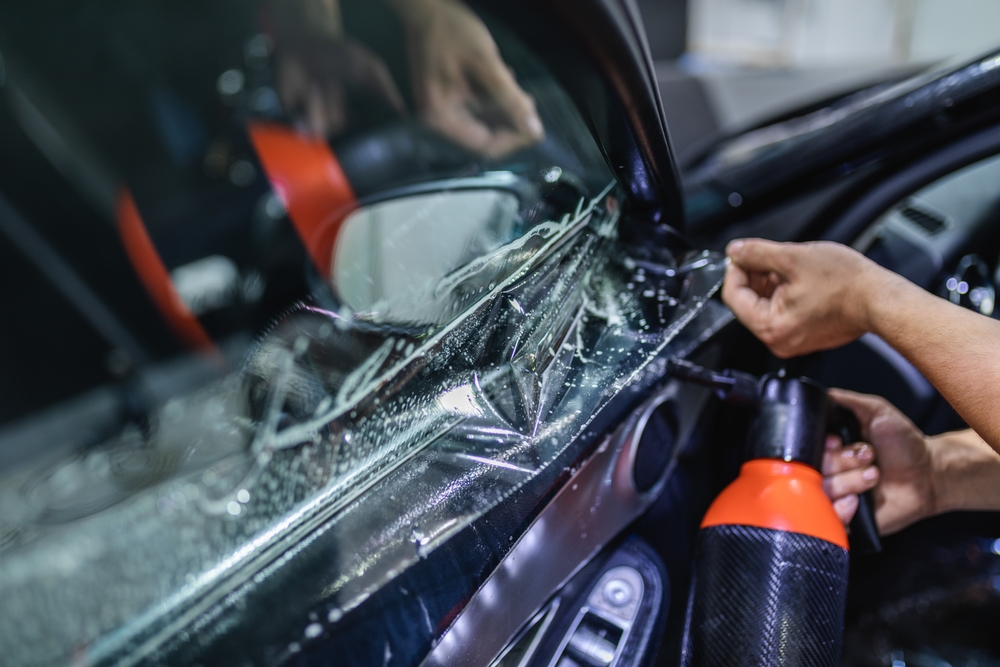
When you start researching window films, you will frequently encounter the term Visible Light Transmission, or VLT. This is the technical way of measuring how much light can pass through a piece of glass. A 100 per cent VLT would mean the glass is perfectly clear, while a 5 per cent VLT represents a very dark ‘limo tint’ that blocks almost all light.
The legal limit for window tint in the UK depends entirely on which window you are treating. While the rear side windows and the rear windscreen have no legal restrictions on how dark they can be, the front of the vehicle is a different story altogether. The regulations are split between the front windscreen and the front side windows, which are the windows next to the driver and the front passenger.
The vehicle window tint regulations for cars first used after 1 April 1985 are very clear. For these vehicles, the front windscreen must allow at least 75 per cent of light to pass through. This effectively means that most modern windscreens cannot have any additional tint at all, as they are often manufactured with a slight factory tint that already brings them close to that 75 per cent threshold.
For the front side windows, the law requires a VLT of at least 70 per cent. This is the front window tint legal limit that most drivers are looking for. It allows for a very subtle darkening of the glass, providing some UV protection and a slight edge to the car’s appearance, while ensuring the driver has an unobstructed view of their door mirrors and the road ahead in low-light conditions.
If you own a classic vehicle first used before April 1985, the rules are slightly more relaxed, requiring 70 per cent light transmission for both the windscreen and the front side windows. However, for the vast majority of motorists on UK roads today, sticking to the 75/70 rule is the only way to remain compliant.
A common question we hear at our Bolton workshop is whether a dark tint will result in a failed inspection. The relationship between MOT tests and window tint is actually quite specific. Interestingly, VLT levels are not currently part of the standard MOT test criteria. An examiner will generally only fail a vehicle if the tint is so dark or poorly applied that it significantly obscures the driver’s view or affects the operation of the windscreen wipers.
However, passing an MOT does not mean your car is legal. The road rules for front windows are enforced by the police and the Driver and Vehicle Standards Agency (DVSA) using handheld photometers. If you are pulled over and your windows are found to go beyond the darkest legal tint UK limits, ‘but it passed its MOT’ will not be a valid defence. Officers have the authority to issue non-endorsable fines or, in more extreme cases, a prohibition notice that prevents you from driving the car until the tint is removed.
Beyond the risk of a roadside stop, there is the matter of your policy layout. It is essential to consider if window tint affects your insurance before you commit to the upgrade. Most insurers view window tinting as a modification. Even if the tint is 100 per cent legal, failing to declare it can lead to complications if you ever need to make a claim. Honesty is always the best policy when it comes to modifications, whether you are installing a high-end film or upgrading to 4D laser-cut plates.
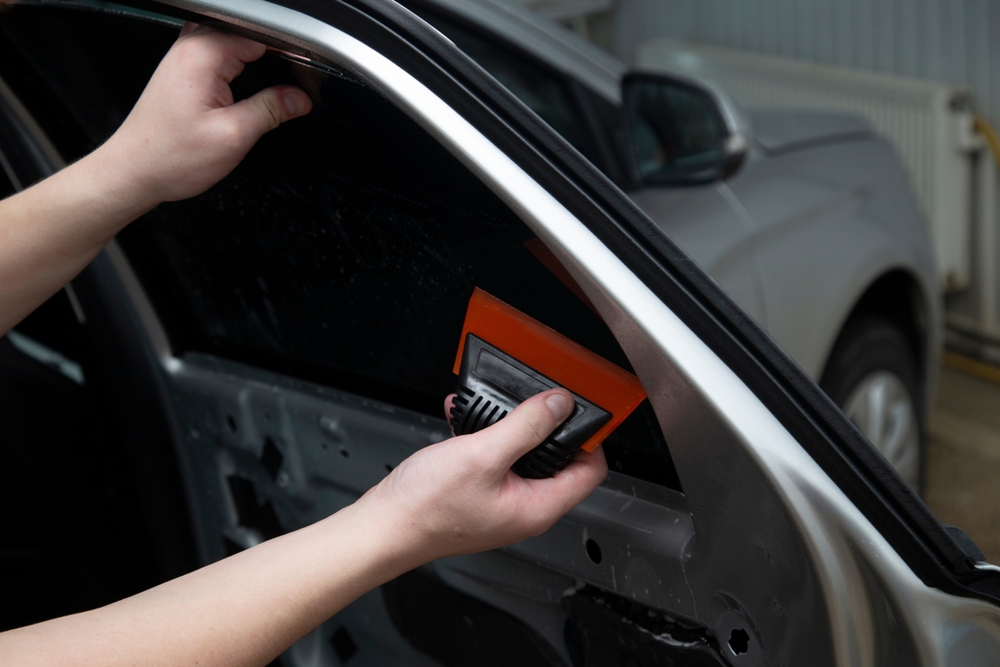
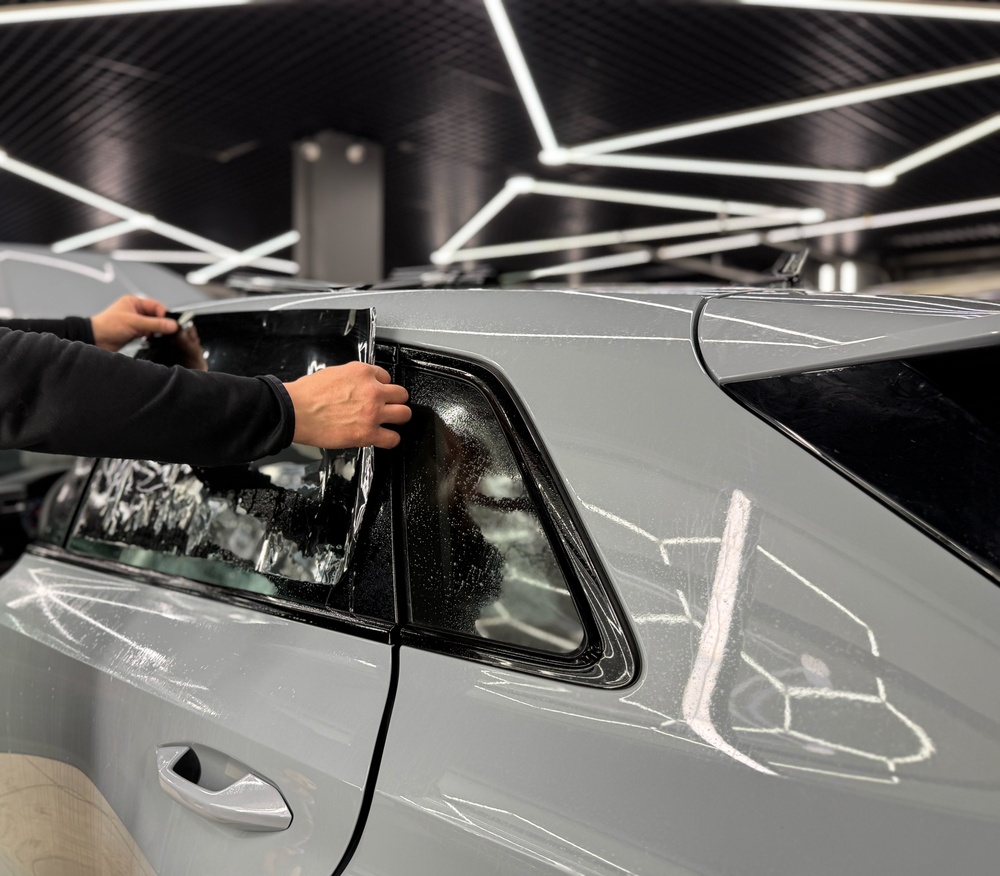
Because the margin for error on front windows is so small, professional application is vital. Most factory glass already has a slight tint, so adding even a ‘light’ aftermarket film can easily push the total VLT below the 70 per cent requirement. A specialist installer will use a light meter to check the natural VLT of your glass before any film is applied, ensuring the finished result remains within the law.
As a DVLA-registered supplier and a trusted name in vehicle customisation, Number Plate Clinic focuses on quality and compliance. Our professional window tinting service in Bolton is designed for drivers who want the best finish without the worry of legal repercussions. We use premium materials that provide lasting durability and high clarity, ensuring your vehicle looks its best while remaining fully road-legal.
If you are thinking about upgrading your vehicle or need advice on which tint shades are right for your specific car, the best step is to speak with an expert who knows the regulations inside out. You can contact our team today for more information or to book your vehicle in for a professional consultation at our 101 Tonge Moor Road location. Whether it is 4D laser-cut plates or precision window tinting, we are here to help you customise your car with confidence.