
[vc_row][vc_column][vc_column_text]Your number plate might seem like a small detail, but it plays a big role in keeping your vehicle road legal. Whether you have recently bought a car, replaced your registration, or are preparing for an MOT, learning how to check if your number plate is DVLA approved can save you stress, time, and money. Below, we will walk you through what makes a plate legal, how to check yours, and what to do if it turns out to be non compliant.

A DVLA approved number plate is one that meets all government regulations. These standards make sure every plate is safe, visible, and made by a recognised number plate supplier. The latest rules follow the British Standard known as BS AU 145e, which sets the minimum durability and visibility requirements for road use.
In short, a DVLA approved plate is one that can be clearly read in all conditions, includes supplier details, and meets the latest quality standard. You can find the official requirements on the Government website, but here we will break them down into simple checks anyone can follow.
Your number plate must meet all of the following rules to be considered legal in the UK:
If your plate does not meet these standards, it is not DVLA approved. Even small details like incorrect fonts or missing supplier details can make a plate illegal.
To see examples of compliant styles, explore the 2D printed number plate and the 3D gel number plate at Number Plate Clinic. Both are DVLA approved and made to meet current standards.
Checking your number plate only takes a few minutes and can help you avoid fines or a failed MOT. Follow these quick steps to make sure your plate is compliant.
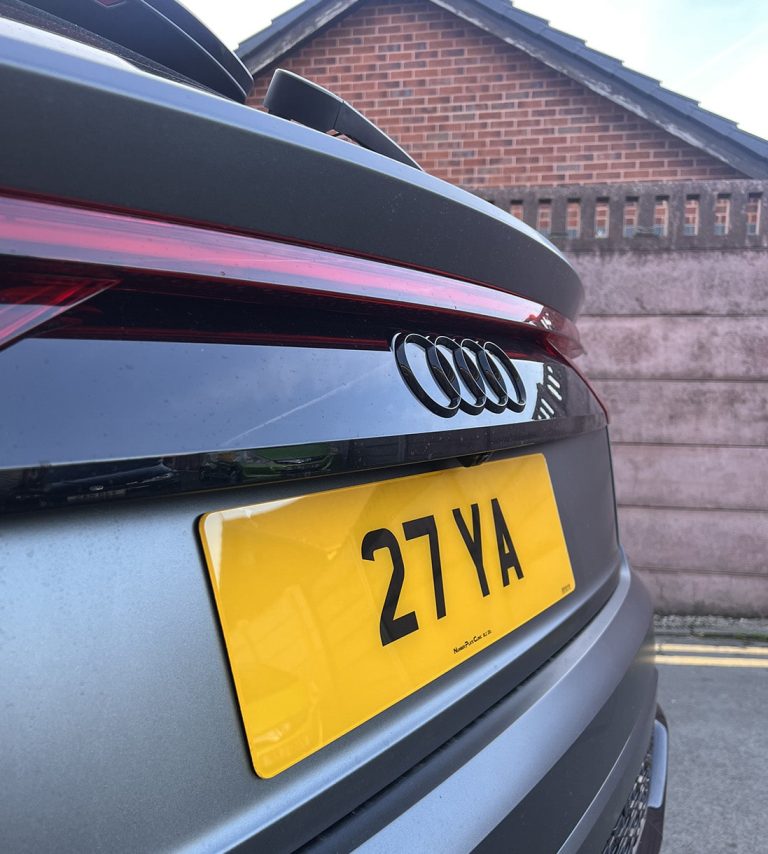
All legal number plates must display the supplier’s name and postcode along the bottom. This proves your plate was made by a recognised supplier and not an unverified marketplace vendor. If your plate is missing this, it is not legal for use on public roads.
Next, find the small BS AU 145e marking. This shows that your plate meets the current British Standard. Older plates marked BS AU 145d are no longer valid for new issues, so if you replace your plate, it must meet the 145e version.
The DVLA requires the Charles Wright font to ensure all plates are easily readable. The spacing must also follow specific measurements:
Characters must be 79 millimetres tall
Each character should be 50 millimetres wide, except the number 1 or letter I
There should be 11 millimetres of space between each character
There must be 33 millimetres between the letter and number groups
Plates that alter spacing to create words or names are not legal and can result in fines or MOT failure. You can read more about spacing rules in the guide on why number plates fail an MOT test.
Reflectivity is essential for safety. Plates that are faded, cracked, or discoloured may no longer meet DVLA standards. You can find advice on replacements in the article on faded number plates and UK legal requirements.
Only approved suppliers can make DVLA compliant plates. You can confirm if your supplier is registered by checking the DVLA Register of Number Plate Suppliers on the Government website. Buying from an unverified source could leave you with an illegal plate that fails inspection.
If your number plate does not meet DVLA regulations, you could face a fine of up to one thousand pounds, fail your MOT, or even have your insurance affected.
The Number Plate Clinic explains more about this in their guide on the impact of illegal plates on insurance. It is also worth reading what happens if you drive without a front number plate to understand how quickly this issue can escalate.
Many drivers unknowingly make small changes that make their number plates illegal. Here are the most common ones to look out for.
Changing spacing to spell words or altering the font style is not allowed. Even subtle changes can be enough to make a plate non compliant.
Coloured screws, tinted acrylics, or reflective backgrounds that affect legibility will fail a DVLA check. If you want a unique design that stays legal, consider a hex lambo number plate or a square number plate, both of which meet UK road standards.
If your plate has faded or cracked, it can no longer reflect light correctly and will not pass inspection. Replacing it before your MOT is the easiest fix.
Show plates are for display and exhibition use only. They are not road legal, so make sure your everyday plates are DVLA approved before driving.
BS AU 145e was introduced to make number plates more durable and easier to read in all conditions. The standard tests each plate for reflectivity, weather resistance, and UV stability. It also ensures plates do not peel, bend, or lose legibility over time.
If your plate does not display BS AU 145e, you should replace it with a compliant option from a trusted source such as the 4D number plate range.
You can still personalise your plate, as long as you stay within DVLA rules. Here are a few ways to customise legally:
For motorbike owners, explore the bike plate collection, or if you want to enhance your setup, browse through the number plate accessories range.

If your number plate fails during an MOT, it is usually due to missing supplier details, poor reflectivity, or incorrect spacing. These problems are easy to fix. Read the guide on MOT regulations for number plates to learn how to make the right corrections before your retest.
Buying your plate from a recognised supplier ensures it meets all DVLA standards, including the correct British Standard mark, spacing, and material quality. It also ensures your plate comes with proper documentation. Unverified online sellers often cut corners, which can lead to fines, MOT failures, or insurance issues later.
For peace of mind, always choose a registered supplier that follows all DVLA guidelines and provides full compliance certificates.
A DVLA approved number plate is about more than just following the rules. It gives you peace of mind knowing your car meets every legal standard and will pass its MOT without issue. By checking for supplier details, the BS AU 145e mark, and correct spacing, you can confirm your plate is fully compliant.
If you discover your plate is not legal or you simply want expert advice on replacements, get in touch with the team through contact us and they will be happy to help you find a fully DVLA approved solution.[/vc_column_text][/vc_column][/vc_row]