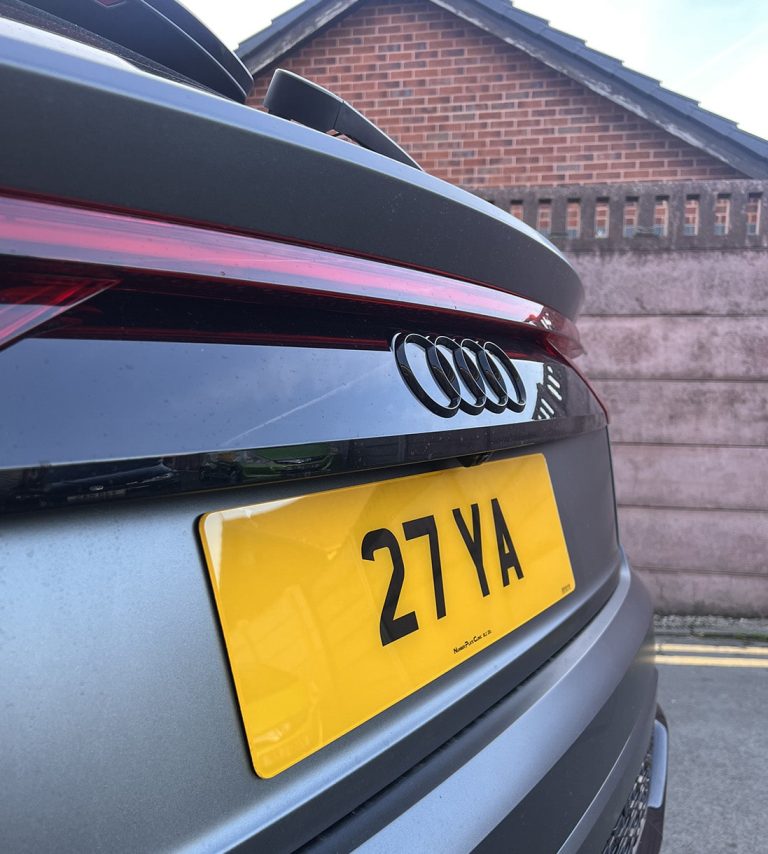
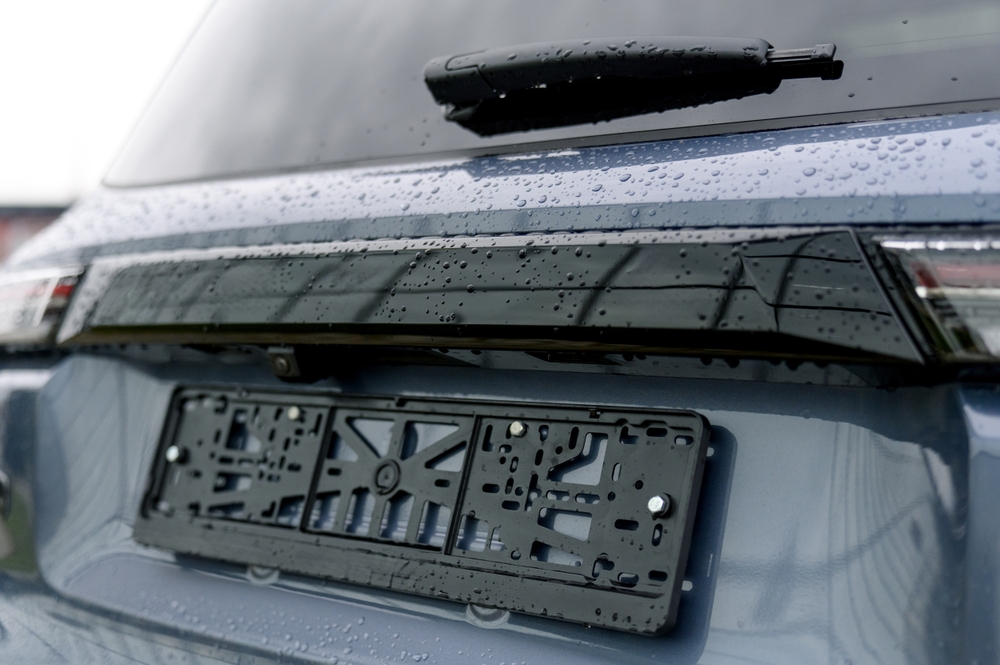
You might have noticed an increasing number of police vehicles equipped with advanced cameras on British motorways recently. It is not just about speed anymore. For many UK motorists, a simple aesthetic choice, like a slightly tinted plate or a custom font, is becoming an unexpected legal headache. The DVLA crackdown on non-compliant vehicle registrations is gaining momentum, moving away from simple warnings towards a more structured enforcement of the law. While many drivers choose custom styles to add a touch of personality to their cars, staying on the right side of the rules is becoming an essential part of general vehicle maintenance. Understanding the line between a stylish upgrade and an illegal modification is the first step toward avoiding an expensive fine.
The core of this enforcement revolves around road safety and the reliability of Automated Number Plate Recognition (ANPR) systems. When a plate is designed in a way that interferes with these cameras, it creates a loophole that the authorities are now closing. This shift is not about stifling creativity; it is about ensuring every vehicle on the road can be properly identified by the emergency services and modern monitoring systems. For the average driver, this means that ignorance of the specific rules regarding character spacing or material quality is no longer a viable defence at the roadside.
The rules governing how we display our registrations are surprisingly detailed, but they exist to ensure universal legibility. At the heart of the latest regulations is the British Standard, currently known as BS AU 145e. This is the technical benchmark that every legal plate must meet. It covers everything from the durability of the acrylic to the way the surface reflects light back at cameras and headlights. If you are curious about the technicalities, it is worth exploring what BS AU 145e actually means for someone buying a standard 2d number plate, as it explains why certain materials are banned while others are mandatory.
One of the most frequent reasons for a vehicle failing to meet plate compliance is the incorrect manipulation of characters. The DVLA is very specific: you cannot use bolts to change the look of a digit, nor can you move the spaces to make your name or a word more obvious. If you are unsure about the specifics, reading through a UK number plate spacing rules a plain english guide can help you spot errors before a traffic officer does. For instance, even the most minor deviation from the standard gap can result in a failed MOT or a fixed penalty notice.
It is not just about the letters themselves, but the entire physical format. Owners of specific car models often prefer different shapes to fit their bodywork. While square number plates are perfectly legal when fitted correctly, they must still adhere to the same strict character height and width rules. The same applies to more niche designs like the hex lambo number plate, which provides a sharper look while remaining within the legal parameters for registration display.
Why is there a sudden surge in roadside checks? Much of it comes down to technology. Modern ANPR systems are the backbone of UK policing, used for everything from tracking stolen vehicles to managing toll roads. If a plate is non-compliant, it can lead to frustrating technical failures. Drivers should be aware of what happens if an anpr camera cant read your number plate, as this is often the primary trigger for being pulled over by the police. Faded or damaged plates are also coming under scrutiny, as weather-worn characters can be just as problematic as intentionally modified ones.
For those who enjoy a more premium look, the question of consistency often arises. Some drivers wonder can you legally have different plate styles on the front and rear of the same vehicle? Generally, the rules state that while the background colours must be white at the front and yellow at the rear, the style, such as 3D or 4D, should be consistent and fully compliant with the BS AU 145e standard. This ensures that the vehicle presents a uniform profile to monitoring systems across the UK.
The financial impact of being caught with non-compliant plates is more than just a fixed penalty notice. Beyond the immediate DVLA fines, there are administrative burdens. Motorists are often surprised to learn that can insurers refuse claims over plate modifications is a valid concern. If your car is involved in an accident and is found to be fitted with illegal plates, your insurer could argue the vehicle was not road legal at the time, potentially voiding your cover. For a more comprehensive look at the risks, the hidden consequences of an illegal plate penalties nobody mentions details why this is about more than just a £100 fine.
As we move into a new era of enforcement, those with highly customised vehicles are under more scrutiny. Investigating what the 2025 dvla enforcement crackdown means for modified plates suggests that the authorities are focusing on tinted and ‘smoked’ characters. Over the last year, many drivers have found themselves asking: are smoked or tinted number plates legal under uk law? The short answer is effectively no, as they reduce the contrast required for the ANPR system to function reliably, particularly at night or in poor weather.
Social media and regional policing trends have played a role in the rise of certain hotspots for police activity. Some motorists have noted that police bad plate hotspots are some roads more heavily monitored than others, particularly near popular car meet locations or major arterial roads. This trend suggests that are random roadside plate checks becoming more common is a very real observation. It is not just the permanent modifications that cause trouble either; even simple maintenance can be an issue. You might find yourself asking can police pull you over for a dirty number plate? Yes, they can, as an obscured plate is legally the same as having no plate at all.

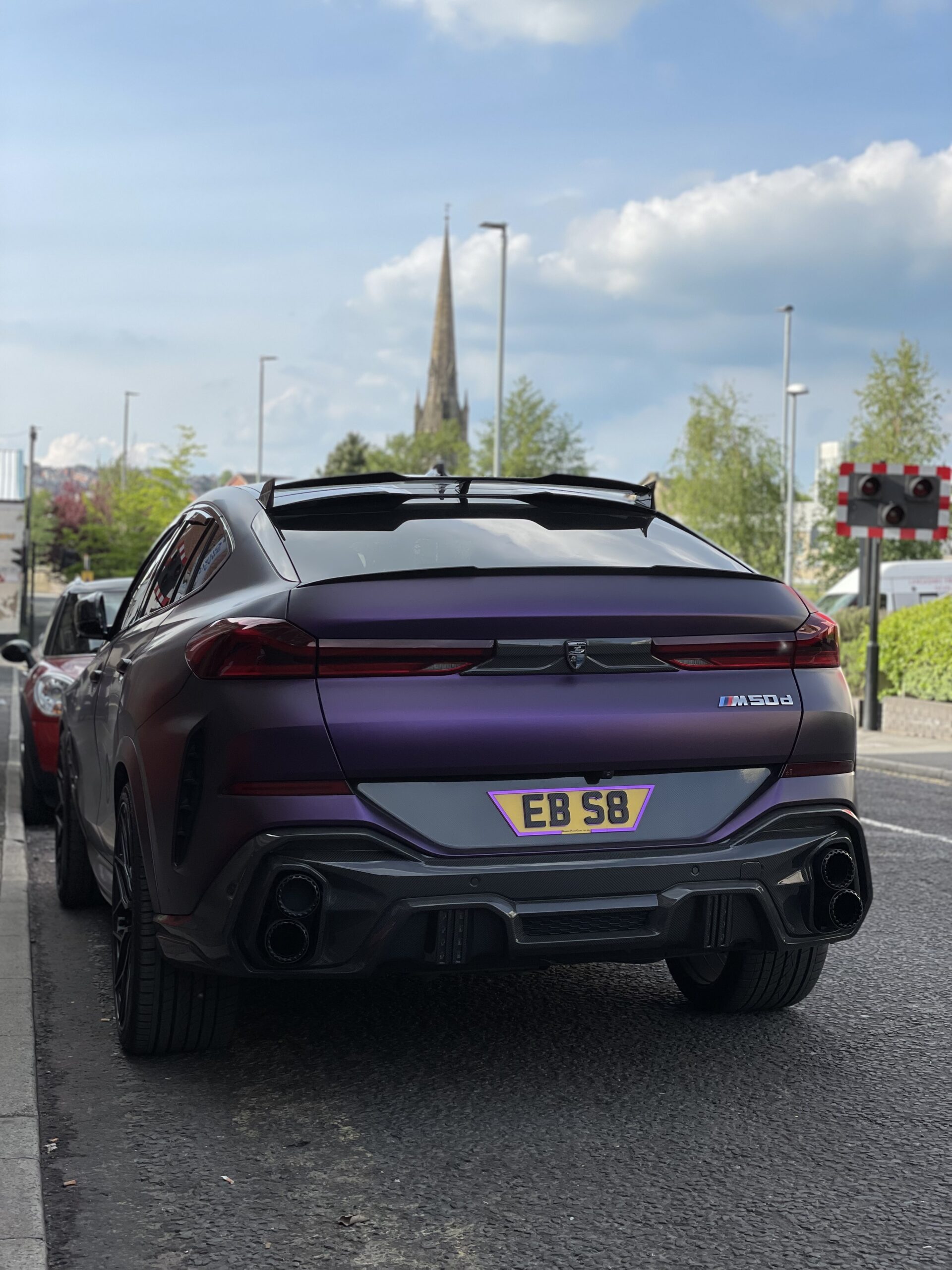
Staying compliant does not mean you have to settle for a basic look. You can still enjoy a premium aesthetic with 4D plates or 3D gel number plates. The key is ensuring they come from an authorised supplier who follows the correct number plate format. If you want to dive deeper into the rules specifically for raised lettering, our guide on 4D number plate legality provides the definitive answer for those wanting a modern aesthetic without the legal risk.
It is worth noting that different vehicles have different requirements. For instance, motorcyclists need to be aware of the specific dimensions for bike plates, which differ significantly from car plates. Similarly, if you are heading off for a weekend away, you should check what are the number plate rules for trailers caravans and towed vehicles in the UK to ensure your rear view is legally covered. Even those in specific service industries, such as minicab drivers, should double-check their requirements, as we often get asked, do taxi and private hire vehicles have different rules for their number plates? The answer typically involves specific mounting requirements alongside the standard registration.
For those maintaining older or unique vehicles, the rules can get even more specific. If you are dealing with a project car, you will want to know what are the rules for number plates on a rebuilt or re-registered vehicle. Additionally, if you are driving a car that is not permanently registered here, understanding the number plate rules for foreign vehicles driving in the UK is essential for cross-border compliance. In every case, the goal is clarity and legibility.
Maintaining your plates is just as important as buying legal ones. Over time, adhesive pads can fail, leading to questions like why does my number plate keep falling off? It is often down to poor surface preparation or using fixings that aren’t weather-rated. If you have been driving with the same plates for several years, it is a good idea to perform a quick check using our guide on how to check whether your current number plate still meets legal standards. This simple audit could save you a £100 fine and a failed MOT.
If you are a new driver or still display magnetic l-plates in the uk are they legal and what do the rules say, being informed is your best defence. If you feel like your current setup is on the edge of legality, do not leave it to chance. You can contact us today to speak with a specialist. Browsing for a new set of compliant registrations is the easiest way to keep your car on the road and out of the spotlight for all the wrong reasons.