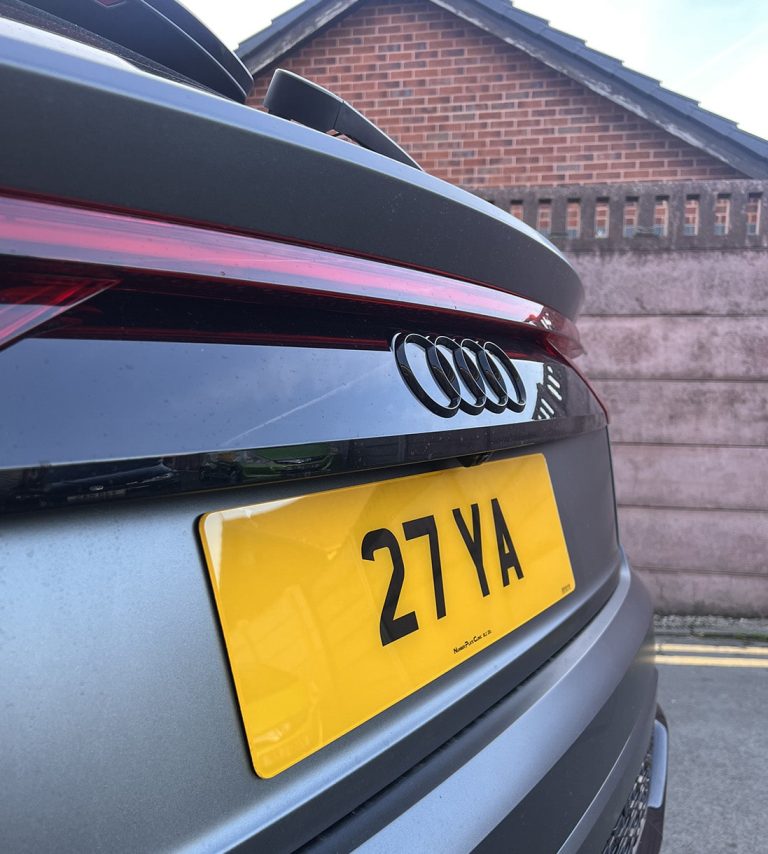
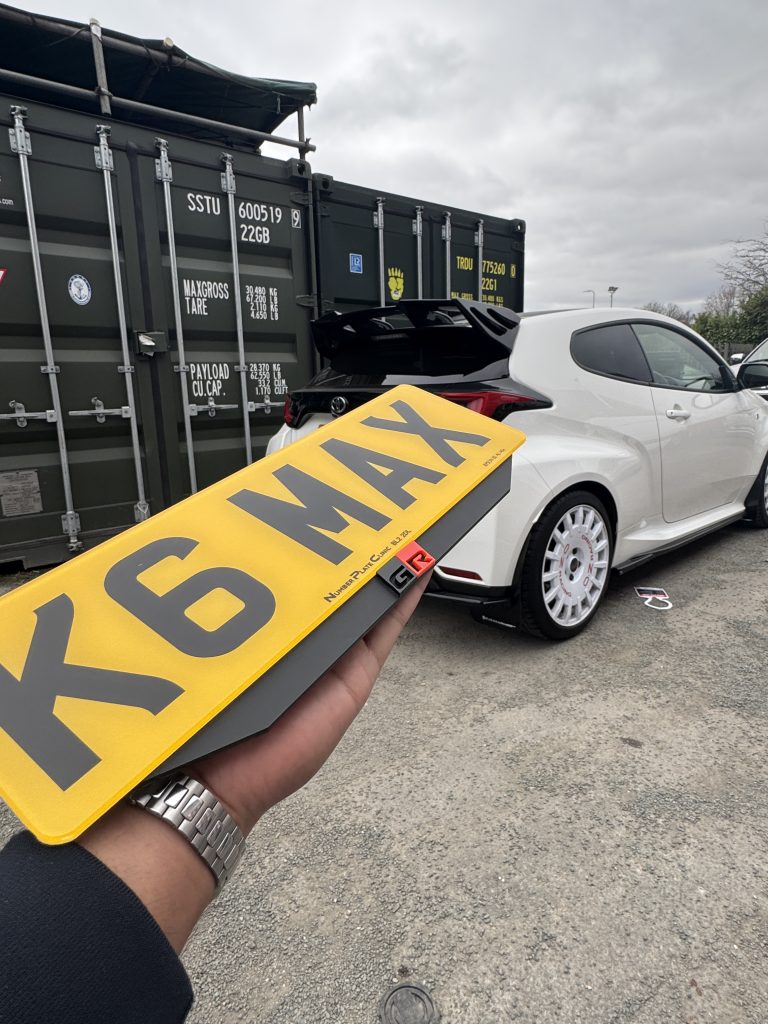
Getting your number plate spacing right is one of those things that is easy to overlook but genuinely matters. Incorrect spacing can result in a failed MOT, attention from the police, and complications with your insurance. Whether you have a standard registration or a cherished private plate, understanding the rules takes the worry out of the whole thing. This guide sets it all out clearly, in plain English, so you know exactly where you stand.
UK number plate regulations exist for a very specific reason: readability. The spacing layout set out under the British Standard BS AU 145e is designed so that automatic number plate recognition (ANPR) cameras and human observers can read your registration quickly and accurately in all conditions.
ANPR technology is used extensively across the UK road network, from speed cameras to police patrol vehicles. When spacing is altered, even slightly, it can confuse these systems. That makes enforcing road safety measures harder and, in some cases, could obscure your vehicle’s identity from law enforcement. The rules are not bureaucratic box-ticking. They serve a real purpose.
It is also worth noting that spacing irregularities are one of the most common reasons plates are flagged during roadside checks. If you have recently read about what the 2025 DVLA enforcement crackdown means for modified plates, you will already know that officers are increasingly alert to this.
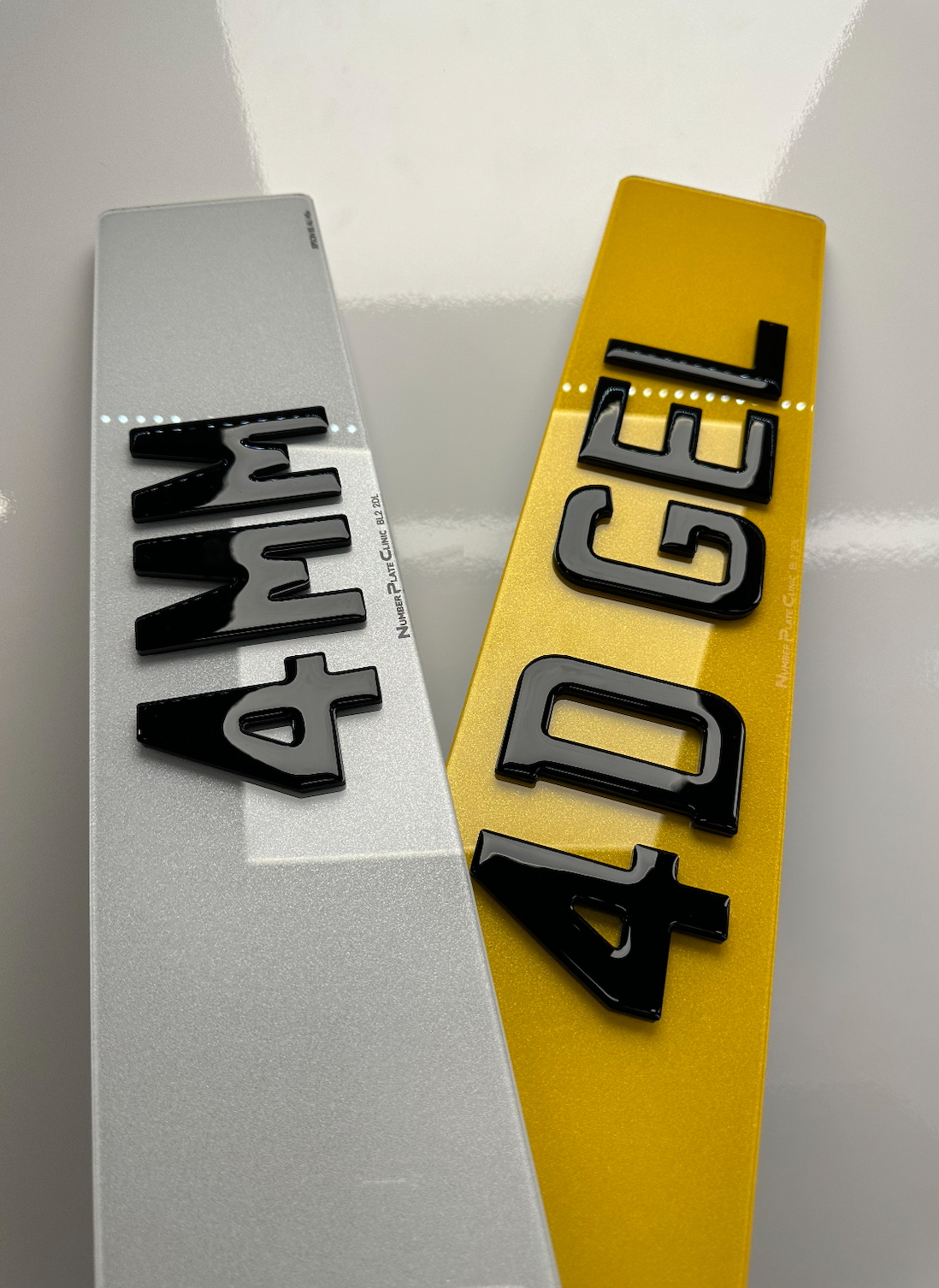
The current regulations set out precise measurements that every road-legal plate must follow. Here is what the rules require for standard UK number plates on cars:
Character height: 79mm
Character width: 50mm (except for the numeral 1 and the letter I)
Character stroke width: 14mm
Spacing between characters within a group: 11mm
Spacing between the two groups of characters: 33mm (this is the gap between the age identifier and the random letters)
Top and bottom margin: 11mm
Side margins: 11mm
These measurements are fixed. They are not guidelines or suggestions. A plate that deviates from any of these figures is not DVLA compliant and is not suitable for road use.
On a current-format UK plate, the registration is split into two distinct groups. Take the format AB12 CDE as an example. The letters AB represent the local memory tag, the numbers 12 represent the age identifier, and CDE is the random element. The two groups are AB12 and CDE, with a 33mm gap between them.
That gap must be exactly 33mm. Making it wider, narrower, or styling it in a way that obscures the natural grouping is a breach of the standard and makes the plate non-compliant.
Motorcycles follow slightly different rules. Bike plates are permitted to display the registration in two lines rather than one, which accommodates the narrower format of a rear-mounted plate. The character sizes and spacing ratios remain consistent with the standard, but the layout adapts to fit the available space legally.
Spacing errors tend to fall into a few recurring patterns. These are the ones worth being aware of:
If you are unsure whether your current plates are legal, it is worth reviewing our guide on MOT regulations for number plates for a clear breakdown of what inspectors check.
Personalised registrations are subject to exactly the same spacing rules as standard registrations. There are no exceptions for private plates, cherished numbers, or dateless formats.
A common misconception is that because a personalised plate has been legally purchased and assigned through the DVLA, any display format is acceptable. That is not the case. The DVLA controls the assignment of the registration number itself. The display of that number on a physical plate must still meet the BS AU 145e standard.
This means you cannot display your private plate in a way that rearranges the spacing to emphasise certain letters or numbers, even if the intent is purely decorative. If you want to understand more about what is and is not permitted, our 4D legality guide covers this in useful detail.
Our range of 4D plates, 3D gel number plates, and 2D printed number plates are all manufactured to the correct specification, with character sizing, spacing, and font applied exactly as the standard requires. The style changes; the compliance does not.
Some vehicles use square or compact plate formats, particularly those fitted to certain European models or performance cars with shallow rear bumpers. Square number plates are permitted under UK regulations for vehicles where the standard oblong format cannot be physically accommodated, but the character dimensions and spacing requirements still apply in full.
Similarly, pressed metal-style plates and hex Lambo-style plates must carry the registration in the correct character format. The visual aesthetic of the plate can vary, but the registration display must remain compliant.

Non-compliant spacing is treated seriously by enforcement agencies. A plate that fails to meet the standard can result in a fine of up to £1,000, a failed MOT, and potential complications with your vehicle insurance. Our article on the impact of illegal plates on insurance explains how non-compliant plates can affect a claim.
There are also consequences that are less obvious. Read more about the hidden consequences of an illegal plate for a fuller picture of what is at stake.
It is also worth knowing that roadside plate checks are becoming more common, and that certain roads carry heavier monitoring. Driving with altered spacing is not a low-risk decision.
For classic car owners, there is specific guidance to consider as well. The rules around stick-on plates for classic cars include their own nuances, and it is worth understanding them before fitting anything to an older vehicle.
The simplest way to stay compliant is to order from a registered supplier who builds plates to the correct specification as standard. All plates supplied by Number Plate Clinic are made to regulation, using the approved Charles Wright font, correct character dimensions, and accurate spacing throughout.
If you have questions about a specific format, registration style, or vehicle type, get in touch with us and we will help you find the right solution. You can also browse our full range of number plate accessories and show plates for display or event use, which carry different rules to road-legal plates.
Spacing might seem like a small detail. On a road-legal plate, it is one of the details that matters most. Ordering from a registered supplier removes the guesswork entirely and means your plates are ready for the road from the moment they arrive.