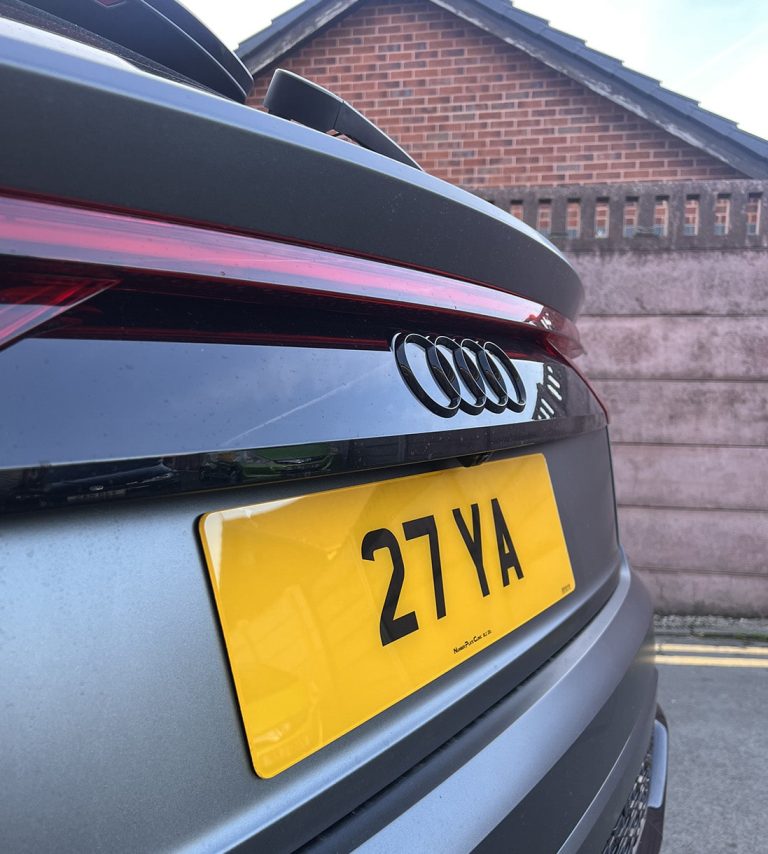

A motorcycle number plate is one of the most hardworking components on your bike. It sits at the very rear, exposed to high-velocity road debris, harsh weather, and the relentless glare of the sun. While you might expect a plate to last the lifetime of the bike, many riders notice their motorcycle plate fading or losing its crisp, black finish over time. This is more than just a cosmetic annoyance; it can lead to problems with the law and MOT testers.
When a number plate goes white or the characters start to grey out, it usually indicates a breakdown in the materials used during manufacturing. Understanding why this happens can help you choose a replacement that actually lasts. If you are currently dealing with a faded motorcycle number plate, it is worth exploring the UK motorcycle number plate guide to ensure your next one meets every legal requirement from day one.

The most common culprit behind number plate discolouration on a motorbike is UV degradation. Sunlight contains ultraviolet rays that gradually break down the chemical bonds in plastic and ink. Over several years, this process bleaches the black pigment in the characters and can cause the yellow reflective backing to lose its vibrancy. This is particularly common on older plates that were manufactured before the latest durability standards were introduced.
Poor material quality is another significant factor. Not all acrylics and reflectives are created equal. Some budget suppliers use thin laminates that allow moisture to seep between the layers. When water or road salt gets behind the clear acrylic, it causes delamination. This often looks like white cloudy patches or bubbling, making the plate increasingly difficult to read. Ensuring you understand the complete guide to buying motorbike number plates can help you spot the difference between a high-quality build and a cheap imitation.
Chemical exposure also plays a role. Aggressive cleaning products, spilled petrol during refuelling, or even certain chain lubes can react with the plate surface. These chemicals can strip the protective UV coating or cause the plastic to become brittle and opaque. If you have noticed your motorcycle plate fading, it is likely a combination of these environmental stresses and the natural ageing of the materials.
The short answer is yes. A faded or discoloured plate is a frequent cause of a motorcycle number plate MOT failure. The DVLA and DVSA are very strict about the legibility of registration marks. If the characters are not clearly distinguishable from the background, or if the reflective material has deteriorated to the point where it no longer reflects light correctly, your bike will not pass its inspection.
It is best to be proactive before your test date arrives. You can learn how to prepare your motorcycle number plate for an MOT to avoid a simple fail for something as easily fixed as a piece of acrylic. Beyond the MOT centre, riding with a faded plate can attract unwanted attention from the police. If the plate cannot be read by an ANPR (Automatic Number Plate Recognition) camera, you may be stopped and issued a fixed penalty notice.
To prevent motorcycle plate fading in the future, you should look for plates that comply with BS AU 145e. This is the latest British Standard that dictates how a plate must perform under duress. To meet this standard, plates must undergo rigorous testing for weather resistance, impact, and “polycarbonate yellowing.”
When you buy bike plates from a DVLA-registered supplier like Number Plate Clinic, you are getting a product designed to resist the UK’s unique mix of rain, salt, and sun. These plates use premium acrylic and high-grade adhesives to ensure the layers stay bonded and the characters remain jet black for years.
Riders often ask if they can restore a faded number plate on a motorcycle using pens or paint. While it might be tempting to fill in the grey bits with a permanent marker, this is not a legal or effective solution. Any DIY “repair” usually results in a finish that does not meet the specified font or reflective requirements. In the eyes of the law, a modified or painted plate is just as non-compliant as a faded one.
The only reliable and legal solution is to replace the plate entirely. Modern options have come a long way in terms of both durability and style. Many riders are now opting for 3D Gel Plates, which use raised gel characters. These are naturally more resistant to fading than flat printed ink because the gel is infused with UV inhibitors that keep the black pigment sharp.
If you prefer a more clinical, sharp look, you might consider 4D Laser-Cut Plates. These use precision-cut acrylic characters that provide a high-contrast finish that is exceptionally easy for cameras and the human eye to read. You can find more detail on these styles in our FAQ about motorbike number plates.
When replacing a faded plate, you must ensure the new one adheres to the motorcycle number plate UK laws. This includes maintaining the correct character height, stroke width, and spacing. It is also a good time to check motorcycle number plate sizes to ensure the physical dimensions of the plate suit your bike.
You might wonder, can you get 3D plates for motorbikes and have them remain road legal? The answer is yes, provided they are made to the correct specifications. The same applies to those asking can you get 4D plates for motorcycles. Both 3D Gel Plates and 4D Laser-Cut Plates are fully legal under the current regulations, offering a premium alternative to standard printed plates that is significantly more resistant to the “whitening” effect seen on older bikes.
For those who have recently been buying a motorcycle at auction, check the plates immediately. Auction bikes often sit in open yards for months, where UV exposure is at its peak. Replacing an old, weathered plate with a fresh road-legal Square Plate can instantly refresh the look of the machine and ensure it is ready for the road.
If your plate has already started to turn grey or white, it is only a matter of time before it becomes a legal liability. When choosing a replacement, consider the conditions you ride in. If you are a year-round commuter, the extra durability of a BS AU 145e compliant plate is essential.
Browsing through motorbike number plates in 2026 shows that technology has improved the longevity of these products. Whether you want to browse Private Registrations to add a personal touch or you simply need a standard replacement, the focus should always be on material quality.
You might find yourself riding in style with a 4D motorcycle number plate for the aesthetic appeal, but the resistance to fading is a major practical benefit. If you are still weighing up your options, reading about whether 3D gel plates are suitable for motorcycles can give you a better idea of how different textures hold up against the elements.
For those planning trips abroad, it is also worth checking do UK motorcycle number plates work in Europe to ensure your new plate includes the necessary identifiers for international travel. If you have any doubt about the rules, a quick look at can you fit a 4D or 3D gel plate on a motorcycle will clarify exactly what you can and cannot fit to your motorcycle.
To avoid the frustration of a fading plate in the future, always buy from a DVLA-registered supplier who uses high-quality acrylic and UV-stable components. Our team at Number Plate Clinic can help you understand the key legal requirements for motorcycle number plates to ensure your bike stays on the right side of the law. If your current plate is looking tired, explore buying bike plates today to ensure your next ride is both legal and stylish.