[vc_row][vc_column][vc_column_text]Has your number plate ever come loose? Or even gone missing after a freak storm? You’re not alone. The answer is yes, weather can cause number plates to fall off. Cold snaps or heavy rain can weaken the adhesive. Screws can loosen. The plate itself can even warp, especially if it wasn’t fitted properly.
This article explores how the UK’s unpredictable climate affects number plate fittings, what to look out for, and how to ensure your plates stay put, come rain or shine. No matter the quality of your humble vehicle, you’ll probably want to know the ins and outs of how to protect your number plate, no matter the weather. Here’s what you need to know.
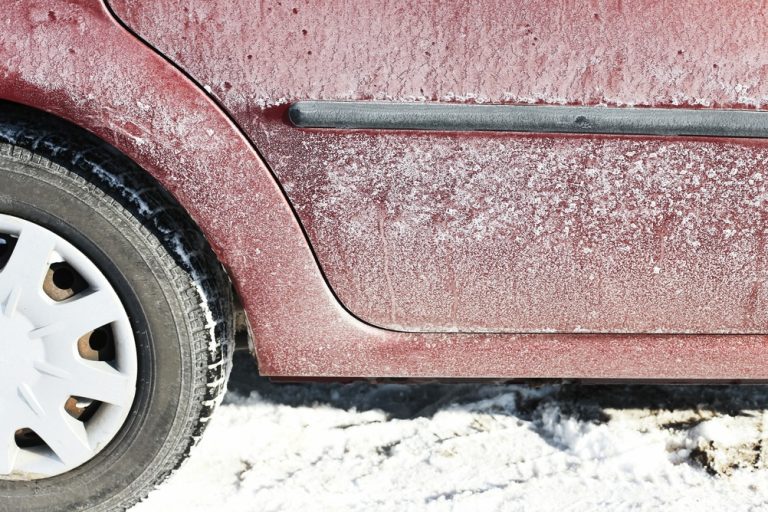
Yes, it happens more often than you might think. Extreme temperature changes, moisture, and frost can all make number plates come loose or fall off. If you’re subject to the unpredictability of UK weather, you’ll know how the weather can change within the blink of an eye. Here are the most common weather-related problems:
Plates that fall off due to weather aren’t just inconvenient; they also compromise the legality of your vehicle. According to DVLA regulations, both front and rear plates must be securely attached and visible at all times. For a deeper understanding of the legal risks, see what happens if you drive without a front number plate.
 Adhesive pads are becoming an increasingly popular way to attach number plates, especially on those sleek, modern curved bumpers where drilling just feels wrong. But here’s the kicker: not all adhesive pads are up to the task. Especially given the varied weather we’re subjected to.
In cold weather, adhesive pads can stiffen and lose grip, especially if they were fitted in damp conditions. If moisture gets between the car’s body and the pad before it’s applied, the bond is compromised from the get-go.
In hot weather, adhesive can soften or melt slightly, making the plate more prone to slipping. This is especially risky on vehicles parked in direct sunlight, especially during a summer heatwave.
Premium number plate accessories from Number Plate Clinic are quality and durable to withstand UK conditions and offer better resistance to temperature shifts. Still, the way you install them makes a difference. Adhesive pads need clean, dry surfaces and adequate pressure to offer strong support.
Water comes in many forms. Solid, liquid or the awkward in between. Different types of water can severely compromise number plate security. Here’s why:
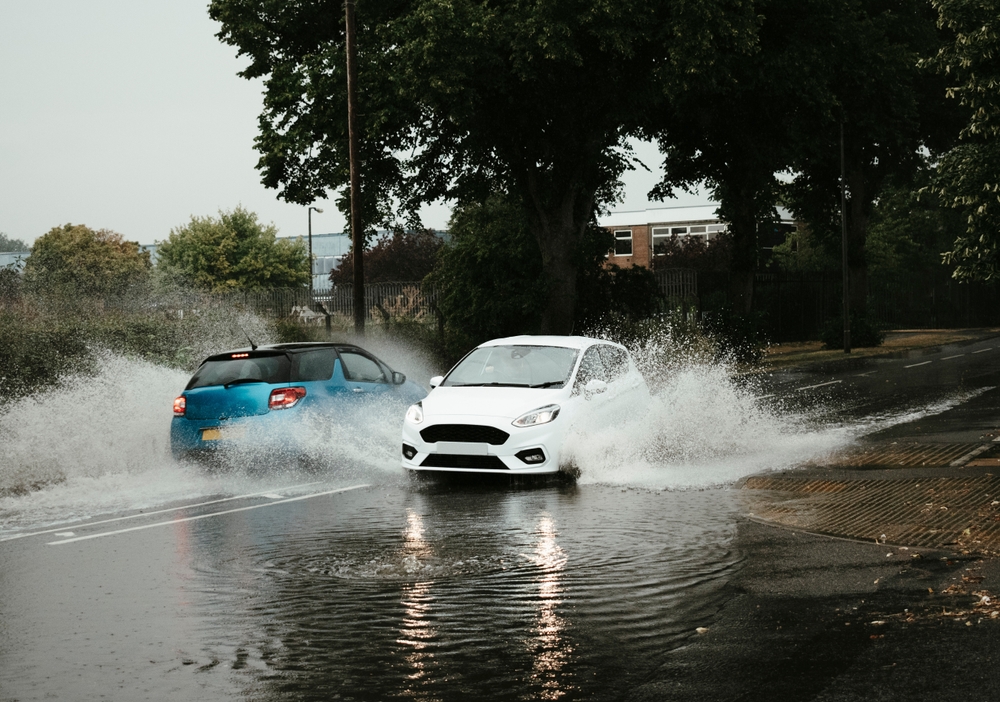
Have you ever had the misfortune of a number plate falling off in the rain? It’s often due to cheap pads losing grip or worn-out adhesives from a previous DIY fix. Whether you’re mounting a bike plate or a more durable 2D printed number plate, moisture-resistant fixing materials and proper prep can’t be ignored. But what about different plate types?
 With many different plate styles and options on the market, it’s important to understand the slight differences. People often wonder if 4D plates fall off more easily than standard ones. While the answer is no, as long as they’re properly installed, there are a few things to consider.
4D plates are made with layered acrylic characters, which makes them heavier than standard or 2D styles. This means the adhesive or screws must be strong enough to hold the added weight through seasonal changes. Style often comes with a price.
Here’s what to look out for:
All Number Plate Clinic 4D plates are built for durability, but we always recommend correct mounting techniques, especially given the unexpected weather we’re subject to.
Even the toughest plates can degrade over time. You should consider replacing your number plate if:
Swapping to a new plate is the perfect opportunity to use a better fixing method, or choose a professional fitting from Number Plate Clinic for much-needed reassurance.
Want your number plates to withstand every season? Follow these weatherproofing tips:
Investing in the right plate is half the battle. Whether it’s a subtle 2D style or a bold 3D gel finish, securing it properly ensures it’ll remain strong, come rain or shine.
 Whether you’re used to adhesive pads or more inclined to use screws, these are the ways to ensure that your plates are strong and road-legal:
Adhesive Pads
Screws
Looking for a guaranteed fit? Our accessories include adhesive pads and screws. No matter the style or vehicle type, we’ve got something to make the process as easy as 123.
While DIY is the economical option, professional fitting ensures year-round reliability, especially if you:
Here at Number Plate Clinic, we get it. That’s why our expert team uses weather-tested adhesives and fitting methods specifically designed for the UK’s unpredictable weather. We’ll also help you figure out the best type of plate for your vehicle, considering your local climate and how you use your vehicle.
Have a question about refitting or weatherproofing your plate? Contact us today and we’ll help you choose the right solution.
So, can the weather cause number plates to fall off? Absolutely, but it doesn’t have to. Rain, frost, and heat can wreak havoc on poorly fitted plates, especially those stuck on with low-grade adhesive or improperly secured. By choosing quality materials, correct installation and trusting Number Plate Clinic’s weather-tested options, you can avoid the inconvenience, legal trouble, and frustration of a missing plate.
Worried about your number plate falling off in bad weather? Trust Number Plate Clinic for expert fitting and durable, weather-resistant plates.[/vc_column_text][/vc_column][/vc_row]