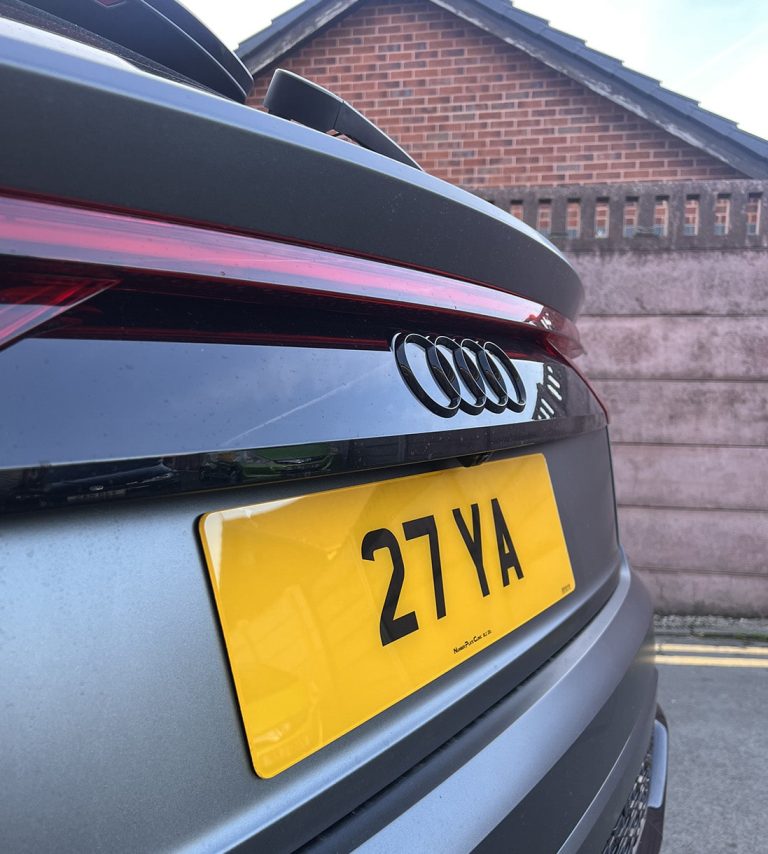
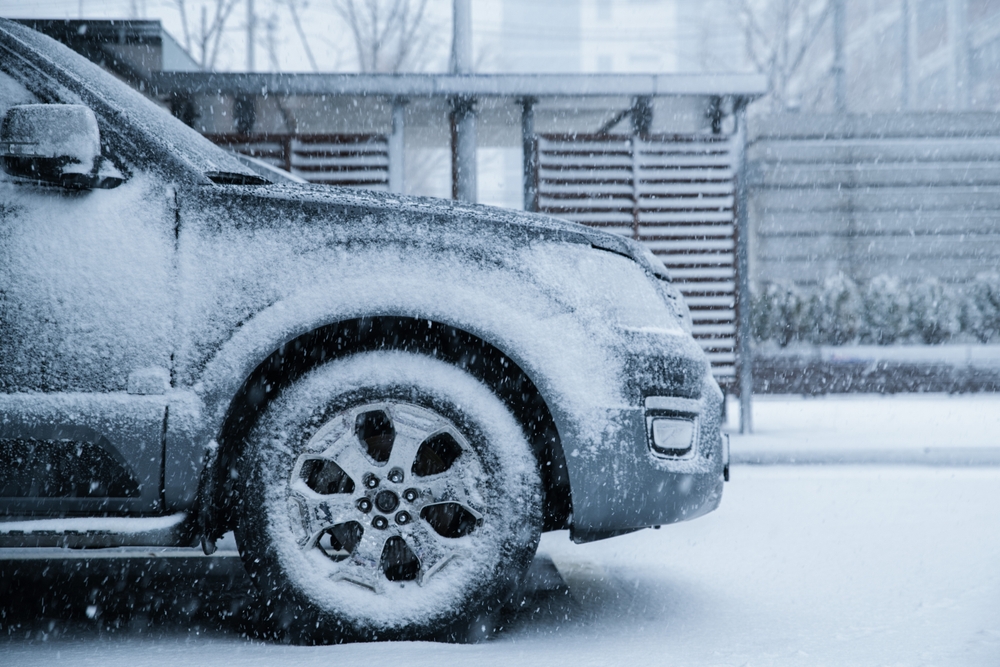
Winter in the UK brings a specific set of challenges for any vehicle, but few components face the brunt of the elements quite like your number plates. Mounted at the very front and rear of the car, they are constantly pelted by a cocktail of grit, road salt, and frozen slush. For many drivers, the question of 2D plates winter salt resistance is not just about keeping the car looking smart, it is about ensuring the registration remains legible and compliant throughout the harshest months of the year. While aesthetic preferences often lean towards textured designs, the structural simplicity of a standard plate offers distinct advantages when the gritters hit the motorways. If you are looking for a reliable replacement, you can buy a 2D printed number plate that is specifically designed to withstand these conditions.
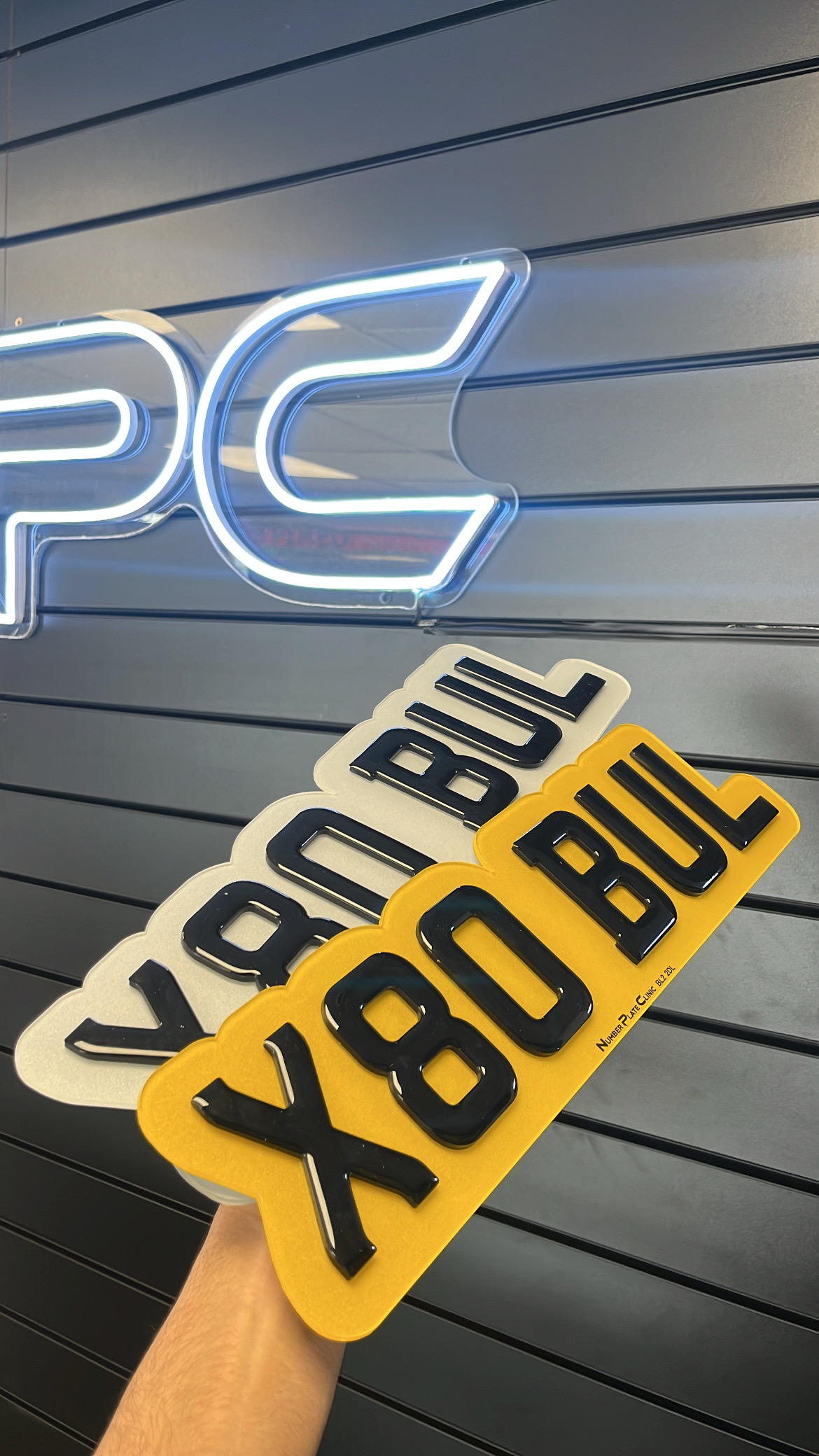
Road salt is essentially a corrosive abrasive. When mixed with water, it creates a brine that can find its way into the smallest crevices of a vehicle. On 2D Printed Plates, the construction is relatively straightforward, consisting of a flat reflective sheet bonded to a clear acrylic facing. Because the surface is entirely flush, there are no raised edges or recesses where salt crystals can accumulate and begin to eat away at the adhesive bonds. This flat profile is one reason why fleet and company vehicles almost always stick with standard 2D number plates, as they are designed for maximum utility with minimal maintenance. It is also why car dealerships usually fit standard 2D number plates to new vehicles, prioritizing long-term reliability over flair.
Gel plates, including both 3D Gel Plates and 4D Gel Plates, use individual characters bonded to the surface of the plate. While these are highly durable and fully road legal when sourced from a DVLA-registered supplier, the raised profile creates tiny shelves around each letter and number. In heavy winter conditions, salt and grit can settle in these gaps. If the plates are not rinsed regularly, the salt can potentially act as a drying agent on the gel resin over several years, or in extreme cases, pressure from freezing water behind a character could compromise the bond. For drivers who prioritise a fit and forget approach during the winter, 2D plates explained as a single-surface unit often represent the most resilient choice against chemical corrosion. However, many enthusiasts still prefer custom show plates for events where road salt is not a concern.
Longevity is often the primary concern for drivers in the North of England or Scotland, where road gritting is a nightly occurrence for months on end. The grit used on UK roads is not just salt; it often contains small stones and minerals designed to provide traction. At motorway speeds, these particles act like miniature projectiles. A 2D plate, with its flat acrylic face, tends to deflect these impacts more uniformly. You might notice why your 2D number plate has lost its shine over time, which is usually due to thousands of tiny microscopic pits caused by road debris, but the structural integrity usually remains intact. Some drivers even ask are pressed metal plates classed as 2d plates when looking for alternatives, but acrylic remains the standard for modern salt resistance.
In contrast, gel plate issues in winter usually stem from the physical impact of grit hitting the raised characters. While the polyurethane gel is flexible and designed to absorb impact, the repeated sandblasting effect of road salt and grit can eventually lead to dulling of the gloss finish on the characters themselves. If you are a driver who frequently tackles long winter commutes, 2D plate longevity is arguably superior because there is less surface area exposed to direct lateral impact from road debris. To maintain the best finish, you should learn how to safely remove old adhesive from a 2d plate without damaging the bumper before fitting fresh replacements. You might also ask do 2D number plates fade in the sun, but in the UK, the winter salt is often a more immediate threat than UV damage.
Legality remains the most important factor, regardless of the weather. All plates supplied by Number Plate Clinic are manufactured to the BS AU 145e standard, which involves rigorous testing for impact resistance and adhesive strength. However, winter grime can lead to a failure by stealth. Salt spray dries into a white, opaque film that can quickly obscure the registration mark. You might wonder do dirty 2D plates cause MOT failures, and the answer is yes, if the dirt renders the characters unreadable or significantly reduces reflectivity. A common issue is what happens if your 2d number plate is not reflective enough, as this can result in an immediate MOT failure or a fine.
2D plates are generally easier to wipe clean in a single motion at a petrol station. Gel plates require a bit more attention to ensure salt is removed from the sides of the raised characters. If the salt is left to sit, it can interfere with how ANPR cameras read your 2D number plate or gel equivalent, potentially leading to unwanted attention from traffic authorities. If your plate has discoloured, you should investigate why is my number plate turning yellow, as this often indicates internal moisture or chemical damage from road brine.

When deciding between the two, it often comes down to your maintenance habits. If you wash your car weekly and use a pressure washer to rinse away road salt, a high-quality gel plate will likely last for years without issue. However, for those who want the absolute best resistance to the corrosive effects of winter roads with the least amount of effort, 2D plates are the pragmatic choice. They are less prone to the delamination that can occasionally affect multi-layered plates when salt-water ingress occurs. If you have a specialty vehicle, you can browse our shop for various styles, including a hex lambo number plate for a more modern look.
If your current plates are already showing signs of winter wear, such as water ingress or peeling, it is worth knowing how to tell when your number plate needs replacing. Driving with a damaged plate that has lost its reflective properties is a risk to compliance. You should also be aware of should you replace number plates after a minor accident, as small cracks can let in salt water. For those ready to refresh their vehicle’s look or durability, you can learn how to order a replacement number plate online through Number Plate Clinic. We ensure all plates meet the latest British Standards, meaning they are built to survive the salt, ice, and grit of a standard UK winter.
Before you make the switch, ensure you have the correct documentation ready. Whether you are opting for the streamlined resilience of 2D Printed Plates or a more decorative style, a registered supplier must verify your identity and entitlement. You can check what documents do you need to get a replacement number plate to ensure a smooth transaction. Many customers ask can you buy 2d plates without a v5c logbook, and we provide clear guidance on legal requirements for all orders, including replacement bike plates and short number plates.
Once they arrive, you might even consider replacing your 2D number plate at home using a fitting kit from our number plate accessories range, ensuring they are securely fastened against the winter wind and vibration. If you are worried about damage during fitting, you can read about how to drill a 2d number plate without cracking it. It is also important to remember white front yellow rear: why uk number plate colours are legally fixed, as using the wrong colors can lead to fines. If you have an older car, check our guide on 2d number plates on classic and pre-1973 cars to stay compliant.
Ultimately, while both styles are built to high standards, the 2D plate remains the undisputed king of low-maintenance durability. Its flat, sealed surface is naturally better at shedding the corrosive brine that defines British winter driving, making it a reliable partner for any high-mileage vehicle. If you still have questions, you can contact us for expert advice or use our tool to search for new plates today. We can also advise on specific situations, such as can imported cars use standard uk 2d number plates or can you have a smaller 2d number plate in the UK. We also help with practical concerns like why 2d number plates rattle and how to stop it, or what to do if your number plate falls off. For peace of mind, you can even preview your 2d plates before ordering. Finally, it is useful to know what happens to your number plates when you write off your car to handle the paperwork correctly.