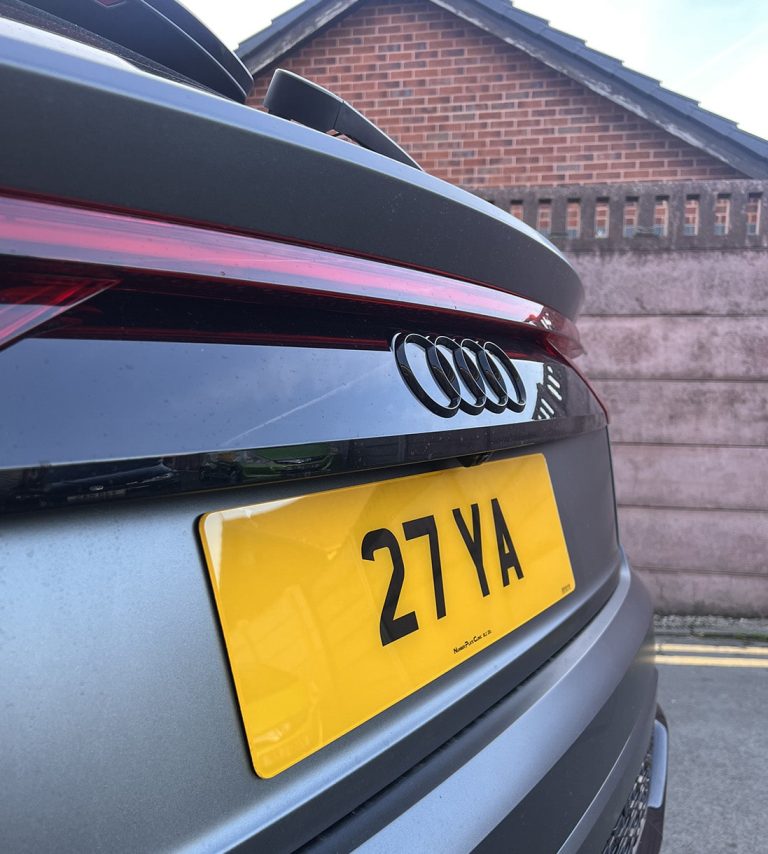
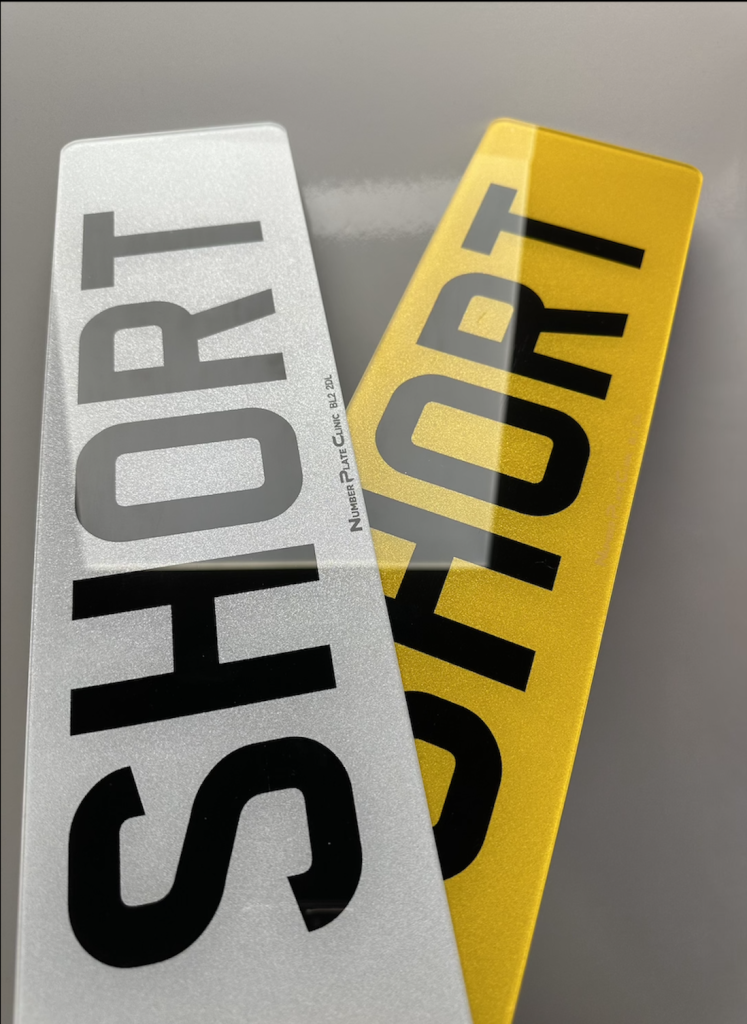
Most drivers treat their number plates as an afterthought during a car wash, giving them a quick swipe with the same sponge used on the wheels. However, your registration marks are technically sophisticated components designed to bounce light back at cameras and other motorists. A standard 2D Printed Plate relies on a high-grade reflective film that can easily be dulled or micro-scratched by grit and harsh chemicals. Before you start, it is helpful to understand 2D plates explained in terms of their construction. Maintaining that shine is not just about vanity; it is a core part of keeping your vehicle road-legal and ensuring you do not fall foul of modern traffic enforcement technology.

The reflective layer on a 2D number plate is a sandwich of acrylic and specialised film. Under the current British Standard, known as BS AU 145e, these materials must meet strict retro-reflective requirements. This ensures that the plate remains visible to other drivers at night and remains legible for ANPR (Automatic Number Plate Recognition) systems. When you use abrasive tools or aggressive cleaners, you risk creating thousands of tiny scratches that scatter light rather than reflecting it. Over time, this is why your 2D number plate might lose its shine, leading to a cloudy appearance that could eventually attract unwanted attention from the authorities. You might even wonder what happens if your 2D number plate is not reflective enough during an inspection; usually, it results in a failure or a fine.
It is also worth noting that the yellow and white backgrounds serve specific legal purposes. For instance, UK number plate colours are legally fixed to help other road users instantly identify the front and rear of a vehicle. If you scrub too hard and damage the pigment or the film, the plate may no longer meet these visibility standards. This is particularly important for those who have 2D Printed Plates, where the flat surface makes every minor scratch or swirl mark highly visible under direct light. Even for enthusiasts, are pressed metal plates classed as 2d plates is a common query, and they require similarly careful cleaning to avoid damaging the embossed finish.
To prevent plate scratches, you should always start with a touchless approach. Never start rubbing a dry, dusty plate with a cloth. The road film on your bumper acts like liquid sandpaper; if you apply pressure immediately, you are simply grinding that grit into the acrylic. Instead, follow this gentle plate cleaning routine:
If you notice that despite a thorough clean, your plate still looks dull or you are wondering why your number plate is turning yellow, it may be a sign of internal UV damage or moisture ingress. In such cases, cleaning will not solve the underlying issue, and a replacement might be necessary. You can visit our online shop to find a fresh set. It is also important to know what to do if your number plate falls off in the UK due to weakened adhesive or damage, as a secure fit is just as important as a clean surface.
Maintaining a clean 2D number plate is not just about avoiding a dirty car; it is about functional compliance. Modern traffic systems rely on high-contrast images to log registrations. If your plate is caked in mud or the reflective layer is so scratched that it glares under infrared light, you may find yourself pulled over. Understanding what happens if ANPR cameras cannot read your 2D number plate is a sobering reminder that a five-minute cleaning job can save you from a potential fixed penalty notice. This applies regardless of vehicle type; for example, why do car dealerships usually fit standard 2d number plates is often down to the ease of meeting these ANPR standards consistently.
Insects and road tar are the enemies of a pristine 2D plate. They often stick fast to the acrylic, tempting drivers to use fingernails or scourers. This is a mistake. If you have stubborn debris, use a dedicated bug and tar remover that is safe for plastics. Apply the product, let it dwell for a minute to soften the debris, and then wipe it away gently. For those using Short Plates or distinctive Hex / Lambo-Shape Plates, pay extra attention to the corners where dirt tends to accumulate. Some drivers even ask can you have a smaller 2d number plate in the UK to reduce the surface area that collects road grime, provided the legal margins are met.
If you have recently purchased a vehicle and need to tidy up the plates, you might also need to know how to safely remove old adhesive from a 2d plate without damaging the bumper. Keeping the mounting surface clean ensures that your plate sits flat and does not vibrate, which helps prevent the micro-abrasions that occur when a plate rubs against the car body. This is a common issue that explains why 2D number plates rattle on certain vehicles. If you need to re-attach them, be careful and learn can you drill a 2d number plate without cracking it before you begin.
There comes a point where no amount of polishing or scrubbing will fix a damaged plate. If the reflective film has started to peel at the edges (delamination) or if the acrylic is cracked, the plate is technically no longer compliant with BS AU 145e. This often happens following impact; you should consider should you replace number plates after a minor accident to maintain legality. You should regularly check for these signs of wear, as knowing how to tell when your number plate needs replacing can save you an MOT failure. In fact, many drivers are surprised to learn that do dirty 2D plates cause MOT failures is a question with a very firm yes in the UK.
If your plates have reached the end of their life, you can browse our road-legal range for a wide range of compliant options. Whether you need replacement Bike Plates, help with 2d number plates on classic and pre-1973 cars, or you are curious to search for a new registration from over 75 million options, ensuring you have the right paperwork ready is the first step. You should check what documents do you need to get a replacement number plate before ordering. If you are worried about the paperwork, you might wonder can you buy 2d plates without a v5c logbook, though other proofs of entitlement are usually required. Those with foreign vehicles should also check if can imported cars use standard UK 2d number plates for their specific model.
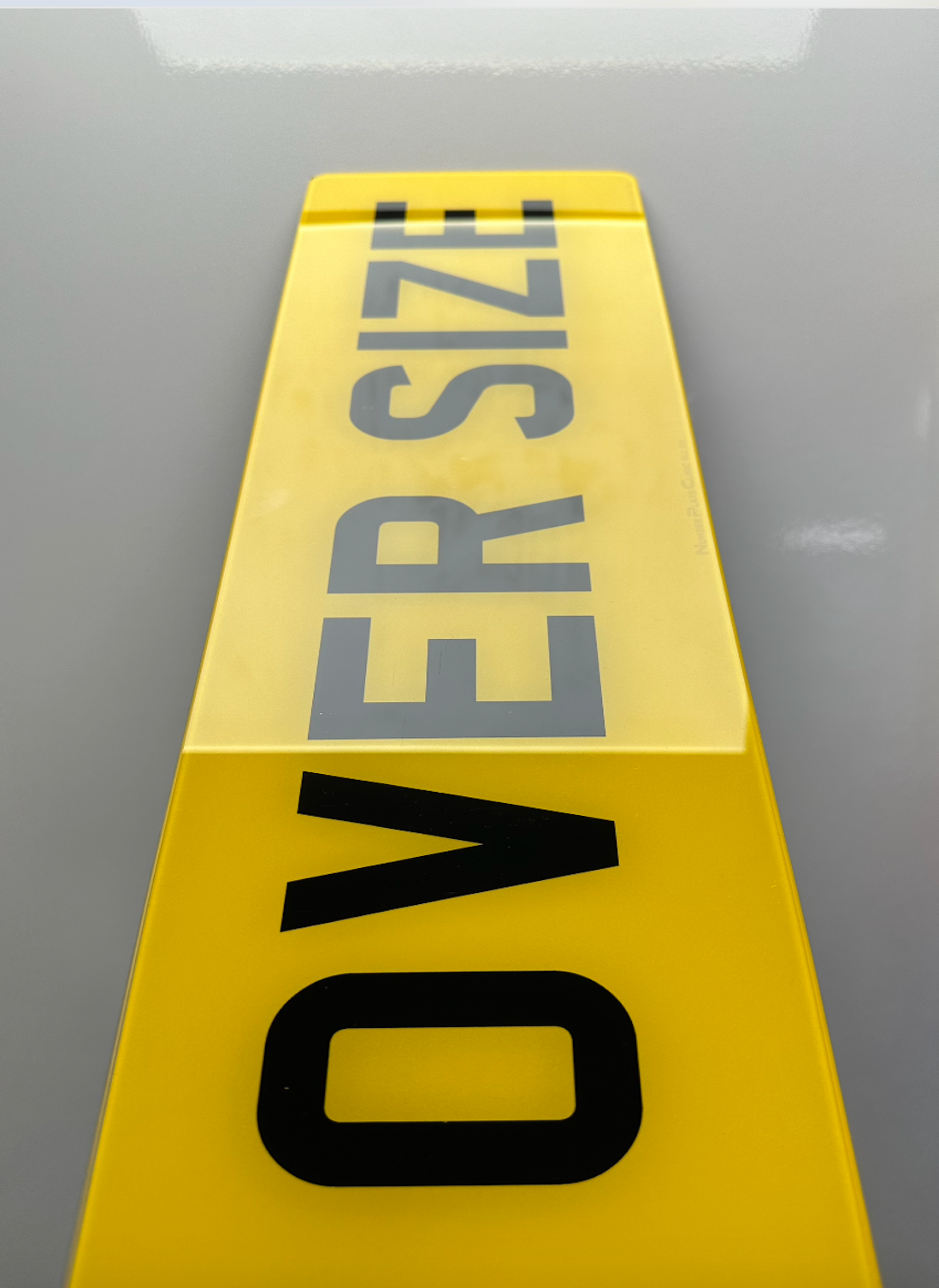
Proper maintenance extends the life of your plate significantly. While some drivers worry if 2D number plates fade in the sun, modern plates from a DVLA-registered supplier like Number Plate Clinic are designed with approved materials to prevent this for many years. This durability is one reason why do fleet and company vehicles almost always stick with standard 2d number plates. Regular, gentle cleaning ensures that these protective properties remain intact. For those looking for a fresh start, you can learn how to order a replacement number plate online, and then our step-by-step guide to replacing plates at home covers everything from safe removal to secure fitting. If your car has reached its end, you may need to know what happens to your number plates when you write off your car regarding the registration transfer.
If you are ever unsure about the condition of your reflective layer or need advice on number plate accessories like keyrings or our NOIR range, or perhaps even custom show plates for events, our team is available seven days a week to help. You can contact us directly for expert guidance on keeping your vehicle road-legal and looking its best, and you can even view our latest plate designs online.