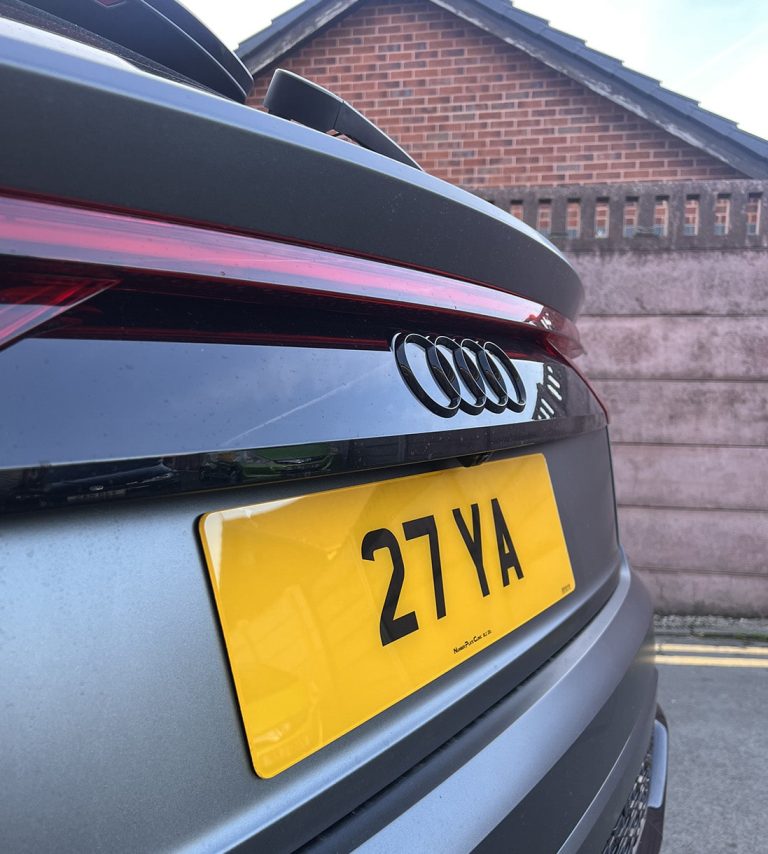

[vc_row][vc_column][vc_column_text]4D plates, like 3D plates are a personal investment that adds an element of character to your vehicle. But is there a difference between the two plates besides aesthtics? For example, is one more durable than the other?
In today’s blog, we will be discuss whether 4D plates last longer than 3D plates.
The Number Plate Clinic is an established provider of number plates of many varieties. Whether it’s Gel plates, Bike plates, EV plates, Import plates and much more. As a provider of these plates, we feel like it is best to provide you the information you need when it comes to the services and items we offer.
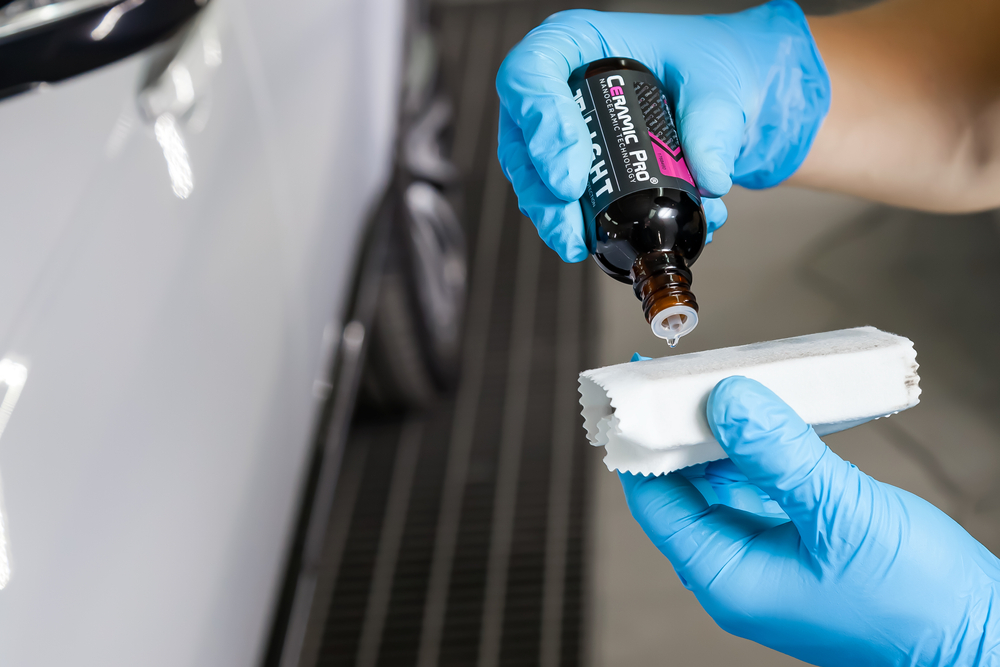 In most cases yes! However, you should always check with the plate provider first, as some brands of coatings may affect legibility for ANPR. That being said, their are plate-specific ceramic coatings you can purchase.
Below are the benefits that ceramic coating can provide for your number plate:
While ceramic coatings are durable, the lifespan on a number plate might not be as long as on a car’s paintwork due to the different materials and potential for more direct impact from road debris. Seek clarification from your plate provider first before applying the ceramic coating.
In rare instances, 4D plates can last longer than a 3D plate, but this is specifically related to wear and tear. 4D plates are made from laser cut acrylic, which is generally stronger than the polyurethane used by 3D plates.
However, in a general sense, the lifespan of a 4D and 3D plate can vary significantly between owners, as it depends on factors such as, maintenance (cleaning), driving style, local weather conditions and material quality.
Here’s a look into these important factors:
The type and grade of acrylic used for the base plate and the raised elements (gel resin in 3D, acrylic in 4D) significantly impact durability. Higher-quality materials are generally more resistant to cracking, fading, and the effects of weather.
How well the raised elements are adhered to the base plate is crucial. Strong, industrial-grade adhesives are essential for longevity in both types. Laser cutting precision in 4D plates also contributes to a clean and secure fit.
Both 3D (gel resin) and 4D (acrylic) plates are generally designed to withstand typical weather conditions like rain, snow, and UV exposure. However, the quality of the specific materials used will determine their long-term resistance to fading and degradation.
4D plates, with their solid acrylic lettering, are generally known for having a better impact resistance compared to the gel resin used in some 3D plates, which might be more susceptible to minor marks or pitting over time.
Regular, gentle cleaning is vital for the longevity of both types of plates. Neglecting cleaning can lead to the build-up of grime that can be harder to remove later and potentially affect the materials.
No. Whether you have a 4D plate or not, using a broken number plate is strictly prohibited and can lead to legal trouble if your ignore this. But what constitutes as a broken number plate? Can a damaged plate still be used?
A broken number plate is when the number plate is in more than one piece, using glue or adhesive or tape to fix the plate does not mean it can be used.
The reason for this is that a broken number plate can be a dangerous hazard if the plate falls off due to its newfound flimsyness.
Even if a small part of your number plate has been chipped off, it’s safer to replace it than using it.
A damaged number plate has the capacity to be used in certain situations. If the damage is light, and does not affect readability, the plate can still be used. This includes light scratches and scuffs.
If the damage has resulted in the plate being bent, chipped, or deeply scratched to where the characters can’t be read, then it is too damaged to use.
Legal difficulties, fines, and more can take place if you’re caught by the authorities with a broken number plate:
If you’re caught driving with a broken number plate that obscures or distorts the characters, you could face of hundreds of pounds or more.
A damaged number plate is an automatic MOT failure. Your vehicle will be deemed unroadworthy until the plate is replaced with a legal one and the vehicle passes a retest.
A broken or obscured number plate can make your vehicle appear suspicious to the police, increasing the likelihood of being pulled over for inspection.
Broken plates can prevent ANPR systems from correctly identifying your vehicle. This could lead to issues with:
If an accident happens, if your number plate is deemed illegal due to damage, it could potentially complicate insurance claims. Some insurers might even invalidate your policy if the vehicle isn’t road legal.
If stopped by the police, you may be issued with an order to replace your number plates within a specified timeframe (e.g., 28 days). Failure to do so could lead to further penalties.
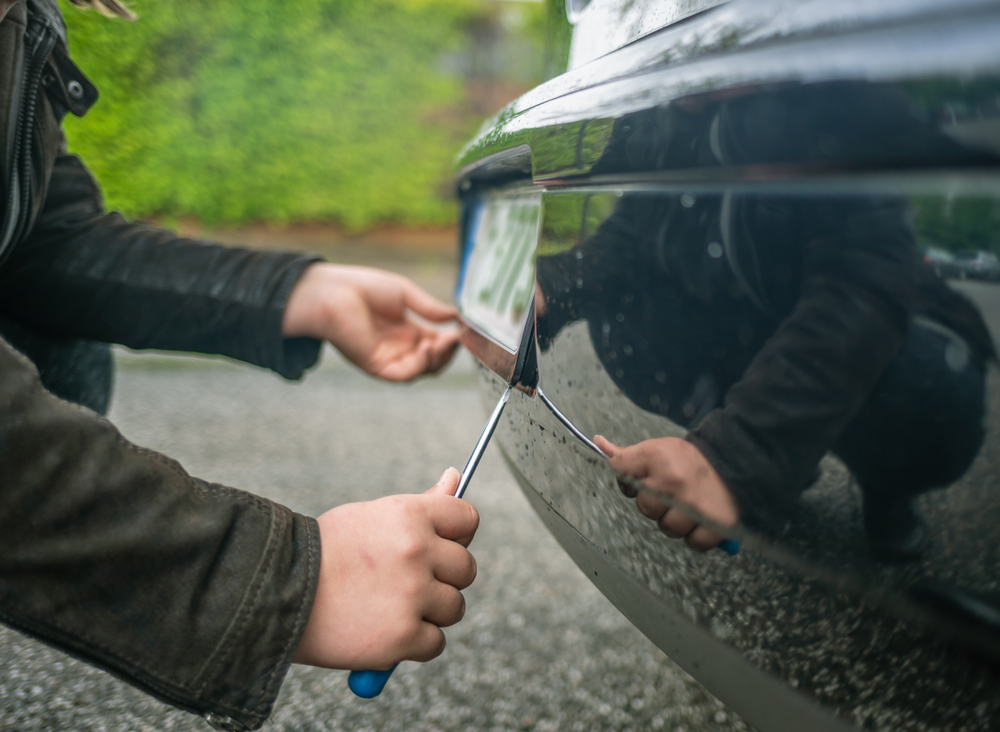 If it falls off whilst driving: Retrieve it immediately, only if safe to do so, and keep it in your vehicle. Don’t drive without displaying it if possible. If it isn’t safe to retrieve the plate, make a note of where it fell off and what time as accurately as possible, so the authorities can retrieve it if necessary.
 At the Number Plate Clinic, we cover a wide array of options for number plates. As an approved vendor of number plates, we cover everything to Gel plates, to bike plates, square plates and much more beyond buying our plates.
In this blog, we hope to have provided an insight into the question ‘Do 4D plates last longer than 3D plates?
Our options are in accordance with the rules set out by the DVLA. (unless creating a show plate). Explore our unique options today. Need some advice or help? You can contact us by clicking here, alternatively, you can find us at:
101 Tonge Moor Road
Tonge Moor, Bolton
Greater Manchester
BL2 2DL[/vc_column_text][/vc_column][/vc_row]