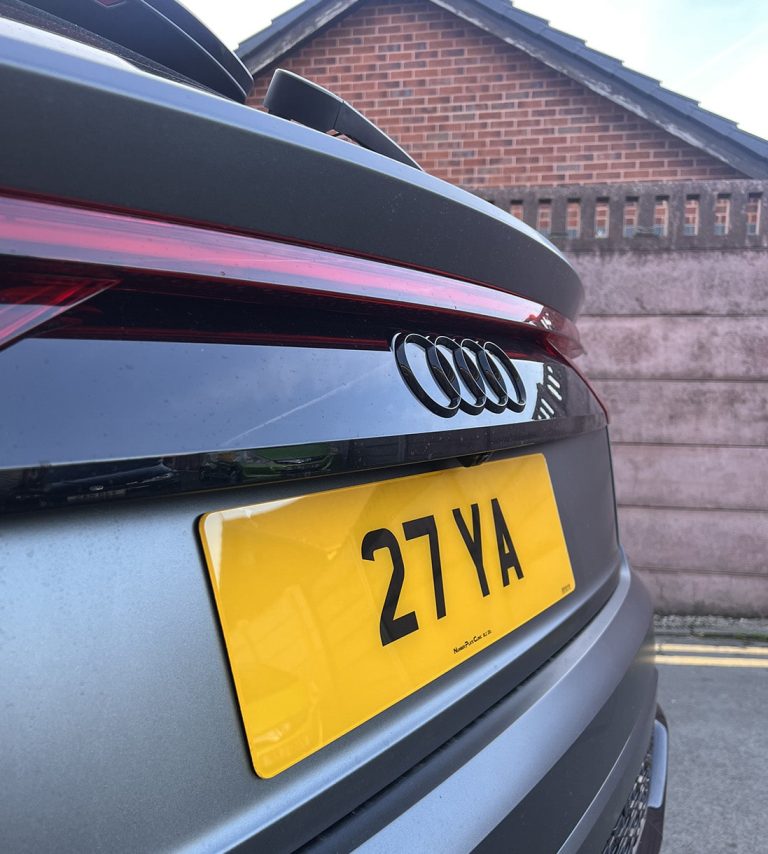
There is a specific kind of excitement that builds as you load your bike onto a trailer or prep your gear for a ride to the circuit. Whether you are heading to a famous British racing venue or a local airfield circuit, the focus is usually on tyre pressures, brake pads, and hitting the apex. However, for many UK riders, the journey starts long before the first session begins. If you are riding your machine to the event rather than transporting it, your motorcycle track day plate setup needs to be just as prepared as your engine. While the track itself is private land with its own rules, the public tarmac connecting your driveway to the paddock is governed by strict DVLA regulations.
The confusion often stems from the different environments a track bike inhabits. On the circuit, you might see bikes with no plates at all, or perhaps small stickers used for identification. On the road, however, the law does not provide a track day exception. If your wheels are touching a public highway, your plate must be fully compliant with British Standards. Getting this wrong can result in fixed penalty notices, or worse, being prevented from riding home after a successful day on the asphalt. Understanding the nuance between a road-legal bike plate and a show plate is essential for any serious enthusiast.
Many riders prefer the simplicity of riding their bike directly to the track. It saves the hassle of hiring a van or buying a trailer, but it places a greater burden of compliance on the rider. You might be tempted to fit a smaller, more aerodynamic plate for the day, but motorcycle number plate laws are applied the moment you leave your garage. The police are well aware of track day schedules and frequently monitor the routes leading to major UK circuits.
If you are stopped, claiming that you are just heading to a track day will not act as a valid defence for a non-compliant plate. This is why many riders choose to buying bike plates that are guaranteed to meet UK specifications, ensuring they can focus on their lap times rather than looking over their shoulder for a patrol car. While the track organisers generally do not care about the legality of your plate, the DVLA certainly does.
For those who have recently acquired their machine, perhaps by buying a motorcycle at auction, verifying the legality of the existing plate should be high on the pre-track checklist. Often, bikes sold at auction may have been fitted with undersized or custom plates by previous owners looking for a specific aesthetic, which could lead to an unwanted fine on your first outing.

The UK has very specific rules regarding the layout and size of motorcycle plates. Unlike cars, which have a front and rear plate, motorcycles registered after 1 September 2001 must only display a rear plate. This plate must be displayed vertically and must not be obscured. The dimensions are not just a suggestion; they are a legal requirement designed to ensure that Automatic Number Plate Recognition (ANPR) cameras and police officers can read your registration clearly.
Standard UK motorcycle plates generally measure 9 inches by 7 inches (228mm x 178mm). While there is some flexibility for certain imported bikes, most UK riders need to stick to these dimensions to stay on the right side of the law. If you are unsure about the specifics, reading a dedicated motorcycle number plate sizes guide can clarify exactly what is allowed for your specific vehicle. Using a cut down or flexi plate might look sleek on the paddock, but it is a magnet for fines on the A-road.
It is also worth noting that the characters themselves must follow a specific font and be spaced correctly. Any attempt to alter the spacing to make a name or word appear more clearly is a breach of DVLA number plate rules. This is particularly relevant if you have decided to can you get private plates for bikes, as the temptation to tweak the display is often higher with a cherished registration.
You may have noticed a small code printed in the corner of modern number plates: BS AU 145e. This signifies that the plate meets the latest British Standard for durability, visibility, and reflectivity. This standard, which became mandatory for all plates fitted after 1 September 2021, ensures the plate can withstand the grit, road grime, and weather conditions typical of UK riding. When you are looking for a motorcycle track day plate, ensuring it carries this mark is the easiest way to verify it is fit for road use.
Materials matter just as much as dimensions. The BS AU 145e standard involves rigorous testing for impact resistance. Given the vibrations and high speeds often encountered when riding to and from a track day, a flimsy, non-compliant plate is more likely to crack or fail, which could lead to an MOT failure later in the year. If you are getting ready for your annual test, familiarising yourself with how to prepare your motorcycle number plate for an MOT is a smart move to avoid a simple fail on a technicality.
One of the most common questions from riders looking to personalise their bike is whether 3D and 4D characters are legal. The short answer is yes, provided they meet specific criteria. 3D gel characters and 4D laser-cut characters are permitted as long as they are black, non-reflective, and do not use different colours to create a shadow effect. Many riders find that these styles add a premium feel to their bike without compromising on legality.
If you prefer a textured look, you might wonder are 3d gel number plates suitable for motorcycles. The resin used in these plates is actually quite resilient to the vibrations of a bike engine. Similarly, for those who want a sharper, more modern aesthetic, you can can you get 4d plates for motorcycles that look fantastic in the sunshine of a track paddock while remaining entirely road-legal. However, always ensure your supplier is DVLA-registered to avoid accidentally purchasing a show version that could land you in trouble.
For a deeper dive into the technicalities of these raised characters, checking a guide on 4d or 3d gel plate motorcycle rules will give you the peace of mind that your stylish new addition won’t lead to a roadside lecture from a traffic officer. It is one of the best ways of riding in style while keeping your insurance and legal standing intact.
When you finally arrive at the track, the rules change. Most track day organisers require you to either remove your plate or tape it over. This is primarily a safety measure; if you have a spill, a plastic number plate can shatter into sharp shards or become a projectile. Taping the plate also prevents photographers from capturing your registration, which some riders prefer for privacy reasons.
However, the moment you leave the circuit gates, the tape must come off and the plate must be visible. Some riders use show plates at the track. While perfectly fine for a photoshoot in the paddock, these are not legal for the journey home. If you want to stay compliant, it is best to stick to road legal bike square jap plates that you can trust under any scrutiny.
If you aren’t sure where to start with your upgrade, a comprehensive uk motorcycle number plate guide can walk you through the options, from standard printed plates to more bespoke designs. The goal is to ensure that your bike looks as good in the car park as it does on the straights, without inviting unnecessary legal attention.
Regulations surrounding vehicle identification are not static. The government occasionally updates the rules regarding font strokes, borders, and even the supply chain for plate manufacturers. Staying up to date is part of being a responsible rider. For a look at the most recent changes, reviewing the what are the key legal requirements for motorcycle number plates in the uk for 2024 ensures you aren’t relying on outdated information from years ago.
Common questions often arise about whether these rules apply abroad. Knowing do uk motorcycle number plates work in europe is vital for anyone planning a cross-border trip. Generally, as long as you have the UK identifier, your road-legal plate is good to go across the channel.
For those who find the legal jargon a bit overwhelming, a quick look at a motorcycle number plate uk laws faq can provide fast answers to the most frequent queries. Keeping things simple is often the best way to ensure you don’t overlook a small detail that could ruin a weekend of riding.

When you are investing time and money into a track day, the last thing you want to worry about is the quality of your registration plate. Using a DVLA-registered supplier ensures that your plate is manufactured to the highest standards. Whether you are looking for 3d bike plates for a bit of extra depth or 4d bike show plates strictly for off-road events, quality should always come first.
In many households, the bike is a prized possession, and every detail matters. From the way the characters catch the light to the way the plate fits the tail tidy, a professional finish makes a world of difference. You can buy bike plates online with ease, but always check that you are providing the necessary documentation to ensure the plate is legally registered. This is a hallmark of a legitimate, law-abiding supplier.
For those who want a one-stop-shop for information, the complete guide to buying motorbike number plates offers a deep dive into the process, from selecting the right style to ensuring you have the correct paperwork ready. It is an invaluable resource for both new riders and seasoned track veterans.
If you’re still sitting on the fence about which plate to choose, don’t worry, you aren’t alone. Many riders spend hours debating the merits of 3D gel versus 4D acrylic. If you have specific questions about mounting or materials, checking a list of faq about motorbike number plates can help clear up the final bits of uncertainty. The more you know, the less likely you are to face a roadside correction.
Ultimately, the best motorcycle track day plate is one that you don’t have to think about. It should be sturdy enough to handle the ride there, compliant enough to satisfy the authorities, and easy to remove or cover once you pass the pit lane entrance. By following the latest motorbike number plates everything you need to know in 2026 guidance, you can ensure your setup is future-proof.
Before your next session, take five minutes to inspect your rear plate. Check for cracks, ensure the bolts are tight, and verify that it hasn’t become obscured by road grime or exhaust soot. A little bit of maintenance goes a long way in ensuring your track day remains focused on performance, not paperwork. If your current plate is looking a little tired or you suspect it might be a show plate rather than a road-legal one, now is the time to source a high-quality replacement from a specialist who understands the needs of the UK biking community.