Walk through any busy UK retail park or residential street and you will notice a growing number of vehicles with dark, sleek rear windows. While many owners choose these upgrades for the aesthetic appeal, a significant number are looking for something more practical: a way to stop their car from becoming a target. Vehicle crime remains a persistent concern for UK motorists, leading many to wonder if a simple layer of film can act as a genuine shield against opportunist thieves.
Security is rarely about making a car impenetrable, but rather about making it a less attractive prospect than the one parked next to it. In the context of car security in the UK, window tints occupy a unique space. They are not a high-tech alarm system, yet they play a psychological and physical role in how a thief perceives your vehicle. Understanding how they work, and what the law allows, is the first step in deciding if they are a right fit for your car.

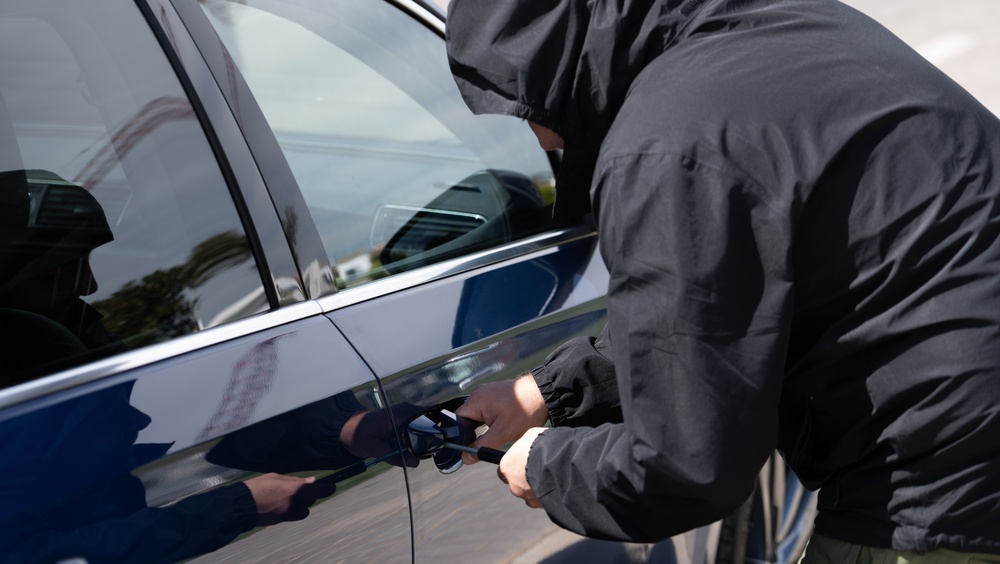
Most vehicle break-ins in the UK are crimes of opportunity. A thief rarely plans a specific hit on a parked car days in advance; instead, they walk past, spot something valuable on a seat or in a footwell, and act within seconds. This is where professional window tinting becomes a factor. If a thief cannot see what is inside the car, the incentive to break the glass drops significantly
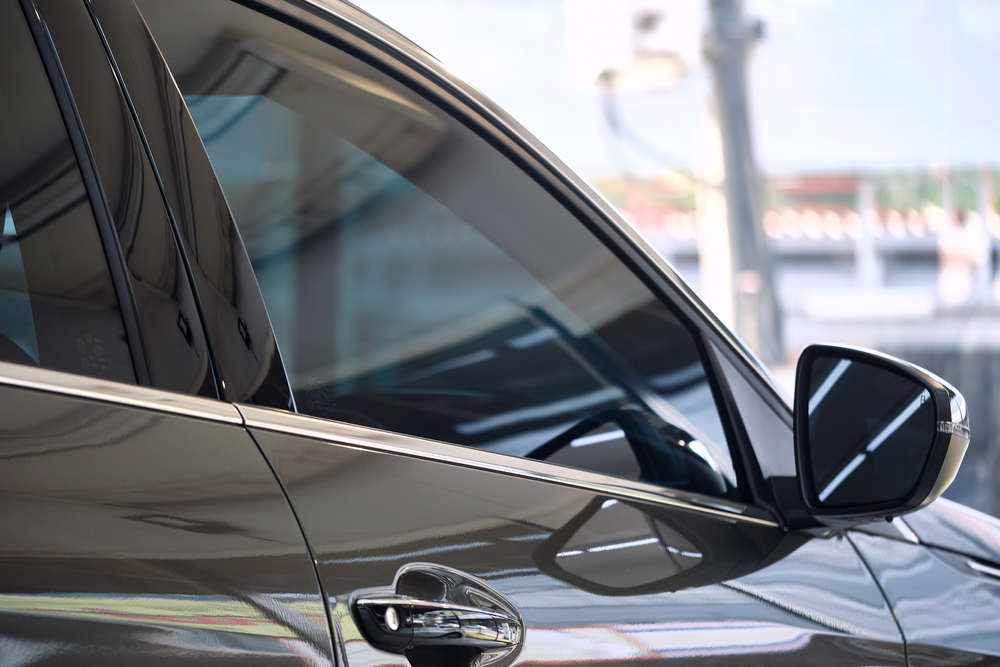
High-quality window film acts as a visual barrier. By obscuring the view into the rear of the cabin, you are effectively hiding your bags, shopping, or tools from prying eyes. For many opportunists, the risk of breaking into a car that might be empty is not worth the potential of getting caught. In this sense, tints serve as a deterrent rather than a physical stoppage, much like how some drivers wonder are 4D plates too flashy for a daily driver and whether certain modifications draw the wrong kind of attention. Tints do the opposite: they help your belongings blend into the shadows.
Beyond the visual aspect, there is a physical benefit to professional window tinting. Standard automotive glass is designed to shatter into thousands of small, relatively blunt pieces upon impact. While this is a safety feature during a crash, it makes it incredibly easy for a thief to clear the window frame and reach inside once the glass is broken.
When a professional film is applied, it creates a bonded layer across the surface of the glass. If a thief attempts a smash and grab, the film helps hold the shattered glass together in one piece. Instead of the window falling away instantly, the intruder is faced with a sticky, glass-reinforced barrier that requires significantly more effort, noise, and time to penetrate. Often, this extra struggle is enough to make a thief flee the scene before they can grab anything.
It is common for UK car owners to confuse factory-fitted privacy glass with aftermarket window tints. Privacy glass is manufactured with a pigment inside the glass itself. While it provides excellent visual privacy, it does not offer the same structural reinforcement as an aftermarket film. Because a tint is a physical layer bonded to the glass, it provides that extra ‘hold’ during a break-in attempt that standard privacy glass simply cannot match.
Before booking an installation, you must be aware of the strict rules governing vehicle modifications in Britain. The UK government has very clear requirements for how much light must pass through your windows. If you ignore these, you risk more than just a fine; you could face problems with your insurance or even an MOT failure.
The law focuses primarily on the front of the vehicle. For cars first used on or after 1 April 1985, the windscreen must allow at least 75% of light through, and the front side windows must allow at least 70%. These limits are in place to ensure the driver has a clear view of the road and other users, especially in low-light conditions. However, the rules for the rear side windows and the rear windscreen are different. There are currently no legal restrictions on how dark these windows can be tinted in the UK. This allows you to opt for very dark films on the rear of the car to maximise security for passengers and luggage.
For a deeper dive into the specifics of these percentages, you can read our guide on whats the legal limit for window tint in the UK to ensure your car remains road-legal.
Any modification to your vehicle, even one intended for security, should be handled with compliance in mind. While rear window tints generally do not cause issues during a standard inspection, it is vital to know how MOT tests and window tint interact, particularly if the front windows have been altered. An MOT tester will check that the driver’s view is not obstructed.
Furthermore, you should always inform your insurer about the installation. While many providers view window tints as a minor modification, others may see it as an aesthetic change or a security upgrade that needs to be noted on your policy. Failing to declare it could potentially complicate a claim later on. We have detailed this further in our article on does window tint affect your insurance in the UK.
While window tints are a powerful tool in your car security UK toolkit, they should be part of a broader strategy. Security film works best when combined with smart habits that reduce your profile as a target. Consider these everyday steps to protect your vehicle:
Number Plate Clinic has built a reputation based on precision and compliance, trusted by over 45,000 satisfied customers across the UK. Whether we are producing BS AU 145e compliant plates or applying professional window tinting at our Bolton hub, our focus is always on quality that lasts. We understand that for many drivers, a car is not just a mode of transport, but a significant investment that deserves protection.
If you are considering upgrading your vehicle’s security and privacy, our team is available seven days a week to provide expert advice on the best solutions for your specific make and model. You can contact us today to discuss our in-store services and how we can help you stay both secure and road-legal.