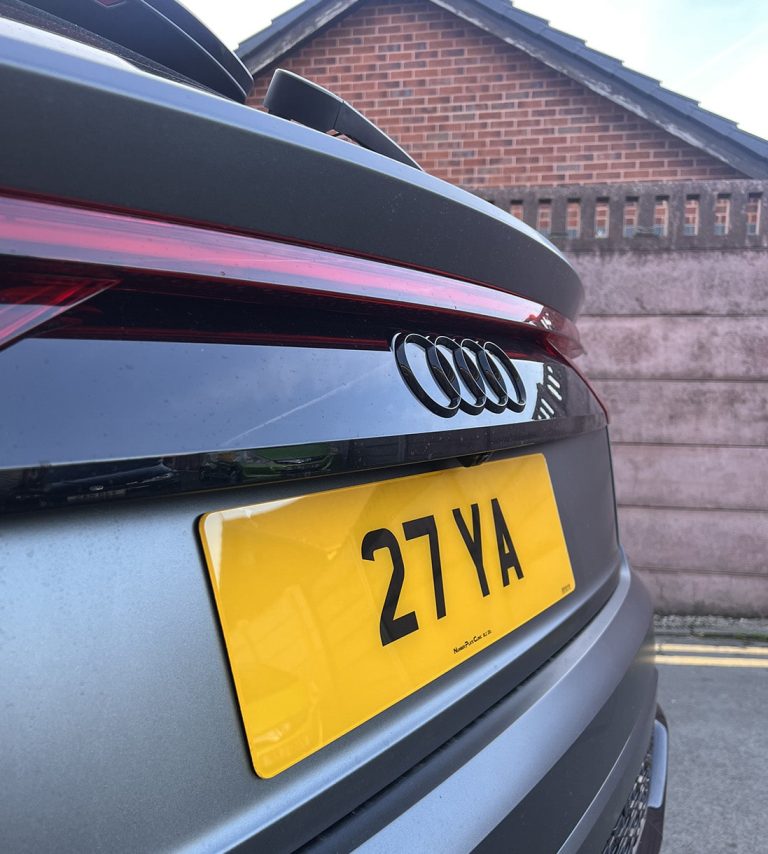
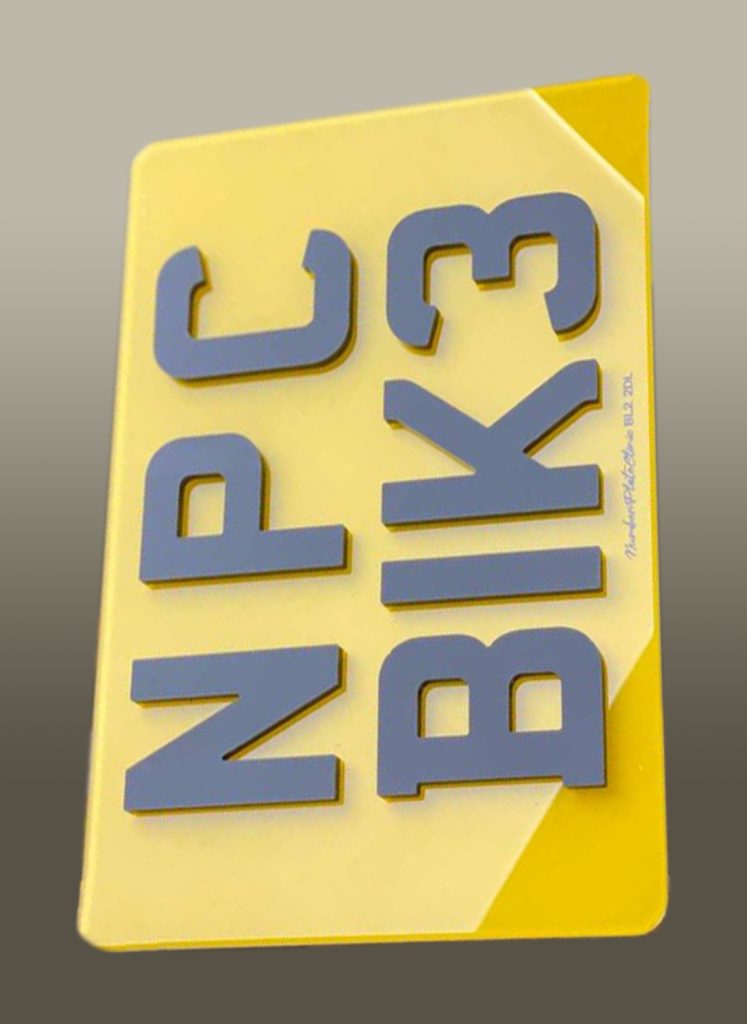
Every time you pull into a petrol station or park up at a local bike meet, your motorcycle is under more scrutiny than you might realise. Between the eyes of fellow enthusiasts and the lenses of ANPR cameras, your rear number plate is a constant signal of your bike’s identity and its legality. For many riders, the small string of digits and letters in the bottom corner of the plate is often overlooked, yet that tiny BS AU 145e code is the difference between a high-quality, road-legal component and a potential police fine or an MOT failure. Understanding why this motorcycle BS mark is required is not just about ticking a regulatory box; it is about ensuring your pride and joy stays on the road without unnecessary hassle.
The rules governing British roads are precise, and when it relates to two wheels, the margin for error is slim. While cars have front and rear obligations, motorcycles only require a rear plate, making that single piece of acrylic the focal point for legal compliance. If you have ever wondered whether those small markings are mandatory or just a manufacturer’s quirk, the answer is straightforward: if you want to ride on public highways in the UK, your plate must bear the correct British Standard mark. This mark serves as a guarantee that the plate has been manufactured to withstand the rigours of the British weather, the vibrations of a high-revving engine, and the impact of road debris.

The British Standard, currently BS AU 145e, is more than just a label. It represents a set of rigorous laboratory tests that a number plate must pass before it is deemed fit for UK roads. These tests assess many factors, including how well the plate reflects light, how it handles extreme temperature changes, and its resistance to impact. For a motorcyclist, this is particularly relevant because a bike plate is often more exposed to the elements than a car plate. It sits at the back, vulnerable to road spray and the constant buffeting of wind at high speeds.
Previous versions of the standard, such as BS AU 145d, were the norm for years. However, as technology has evolved, so have the requirements. The move to the ‘e’ standard introduced tougher tests for abrasion and weathering. It ensures that the black characters do not peel away and that the yellow background remains vivid enough for cameras to read clearly in low-light conditions. When you buy bike plates from a reputable supplier, you are paying for the peace of mind that the material will not shatter or fade within months of being fitted.
It is also a legal requirement for the plate to display the name and postcode of the supplier, along with the manufacturer’s mark. This creates a chain of accountability. If a plate is found to be non-compliant, the DVLA can trace it back to the source. This is why number plate supplier requirements are so strict; a registered supplier must verify your identity and entitlement to the registration number before a legal plate can be produced. This process is a safeguard against the creation of ‘cloned’ plates and ensures every bike on the road is properly identified.
The short answer is yes. During an MOT, the examiner is tasked with checking that your registration plate is in good condition and follows all current regulations. If your plate is missing the BS mark, or if the mark belongs to an outdated standard that was not current when the plate was made, your bike could fail the inspection. It is one of the most common reasons for a simple ‘fix’ to turn into a wasted afternoon. Many riders find it useful to learn how to prepare your motorcycle number plate for an MOT well in advance to avoid these avoidable setbacks.
The presence of the mark confirms to the examiner that the plate meets the visibility and durability standards required for safety. If the plate is cracked, delaminated, or the mark is obscured by an oversized bolt or a decorative frame, it will not pass. Ensuring your plate is clean and the markings are visible is a basic but essential part of motorcycle maintenance.
While the BS mark is a cornerstone of motorcycle plate legality, it does not exist in a vacuum. It must be paired with the correct motorcycle plate dimensions and font. Unlike cars, which use a single-line format on the front, motorcycles must have their registration displayed over two lines. This layout is designed specifically for the smaller footprint of a bike’s rear fender. Any attempt to use a car-style single-line plate on a motorcycle is an immediate red flag for traffic officers.
The font used must be the standard Charles Wright typeface. There are no stylish alternatives allowed on UK roads. The spacing between the characters, the width of the margins, and the height of the letters are all defined by law to ensure maximum legibility. You can find more detail on these specifics in this UK motorcycle number plate guide, which breaks down the measurements you need to be aware of. Using incorrect spacing or a non-standard font will render the plate illegal, even if it happens to have a BS mark on it.
Interestingly, some riders look for specific shapes to fit the aesthetic of their machine. For example, those with specific custom builds might find that road legal bike square plates offer a more seamless fit while still adhering to the necessary UK standards. The key is that the shape can change slightly to suit the bike, but the content and the BS mark must remain strictly within the rules.
If you are stopped by the police and your number plate does not carry the BS AU 145e mark (or the appropriate mark for the year the plate was made), you could face a fixed penalty notice. This usually results in a £100 fine. In more serious cases, or for repeat offences, the registration number can be withdrawn by the DVLA entirely. This is a particularly painful outcome if you have invested in a personalised registration. Riders should take the time to understand what are the key legal requirements for motorcycle number plates in the UK for 2024 to ensure they are not caught out by recent changes in enforcement.
The goal of these regulations is not to spoil the look of your bike, but to ensure that in the event of an accident or a traffic violation, your vehicle can be identified. Non-compliant plates, often referred to as ‘show plates’, are intended only for use on private land or at events. Riding with them on the road is a risk that rarely pays off, especially when road-legal alternatives are so readily available.
Many motorcyclists want to upgrade the look of their bike without breaking the law. This is where 3D and 4D plates come into play. A common question from the community is whether these textured characters are permitted on motorcycles under the current BS AU 145e standard. The answer is yes, provided they are made correctly. These styles are increasingly popular for those who want a premium finish that stands out from the standard flat-print versions.
When considering an upgrade, you might ask: are 3d gel number plates suitable for motorcycles? These use a polyurethane resin to create a raised, glossy finish on the characters. They are highly durable and resistant to the vibrations often found on motorcycles. For a sharper, more architectural look, many riders choose 4D plates, which use solid acrylic characters. If you are wondering can you get 4d plates for motorcycles, the answer is again a firm yes, as long as the supplier follows the strict manufacturing guidelines for character spacing and adhesion.
It is vital to check that your choice is fully compliant. You can find out more about how can you fit a 4d or 3d gel plate on a motorcycle uk rules explained through our detailed guides. We offer a range of 3d bike plates that provide that extra touch of quality while remaining entirely on the right side of the law. Selecting the right plate is about balancing your personal style with the legal requirements that keep you safe and legal.
A major area of confusion for new riders is the distinction between a road-legal plate and a ‘show plate’. Show plates are often sold with smaller text, different colours, or without the BS mark and supplier information. While they might look sleek on a custom build in a showroom, they are not road legal bike plates. Using a show plate on the road is an invitation for a police stop.
Some people mistakenly believe that having a BS mark on a show plate makes it legal. It does not. The BS mark is a certification that the entire plate follows the law. Adding a fake mark to a plate with illegal spacing or tiny fonts is actually worse than having no mark at all, as it can be seen as an attempt to deceive. If you are looking for something unique, stick to legal customisations like 4d bike show plates for off-road use, or ensure your road-going 4D plates are properly formatted and marked.
When it comes to buying bike plates, the process should be transparent and helpful. You are not just buying a piece of plastic; you are buying a legal document for your vehicle. A quality supplier will always ask for your proof of entitlement. If a website offers to send you a plate without any documentation, they are not a registered supplier and the plate likely will not be road legal.
For those who have just picked up a new machine, getting the plate right is one of the first jobs on the list. You might also be considering whether you can you get private plates for bikes. The answer is yes, and the same rules apply. Whether it is a standard issue number or a cherished registration, the plate must have the BS mark, the supplier details, and the correct font. For more common queries, our faq about motorbike number plates section covers many of the typical hurdles riders face when ordering.
The standard size for a UK motorcycle plate is 9 x 7 inches (228mm x 178mm). While it is possible to find smaller plates, they are often for sub-standard characters. It is worth checking our guide on motorcycle number plate sizes whats legal and whats not to ensure you do not inadvertently buy something that will cause trouble during your next ride out.
If you enjoy touring, you might wonder do uk motorcycle number plates work in europe. Since Brexit, the requirements for riding abroad have changed slightly. While your BS-marked plate is perfectly fine for identification, you must also display a ‘UK’ identifier. This can be integrated into the plate itself on the left-hand side, or as a separate sticker. Having a high-quality, clearly marked plate is even more important when dealing with foreign authorities who may be less familiar with UK registration nuances.
For a deeper dive into everything coming up in the next few years, including potential regulatory shifts, stay updated with motorbike number plates everything you need to know in 2026. Staying informed is the best way to ensure you are never surprised by a change in policy.
The BS mark is not a suggestion; it is a vital component of a road-legal motorcycle. It tells the story of the plate’s quality, its origin, and its compliance with British safety standards. By choosing a plate that carries the BS AU 145e mark, you are protecting yourself from fines, ensuring an easier MOT journey, and maintaining the resale value of your bike. It shows that you care about the details, which is a trait shared by the best riders.
The aesthetics of your bike matter, and you can certainly achieve a high-end look while staying legal. Whether you choose the deep gloss of 3D gel or the sharp lines of 4D laser-cut characters, the foundation remains the same. If you have any lingering doubts, browsing a comprehensive complete guide to buying motorbike number plates can help clarify the specifics for your particular model. For quick answers to common legal questions, the motorcycle number plate uk laws faq is an excellent resource for any rider.
Choosing a service that combines style with absolute compliance is essential. Every plate produced for the road should be built to the BS AU 145e standard, ensuring you can ride with confidence. Taking a riding in style look at 4d motorcycle number plate options might be the perfect way to refresh your bike’s appearance for the season. For those who own multiple vehicles, you might also find it useful to know how can you get 3d plates for motorbikes and vans, allowing for a consistent look across your entire garage. Taking ten minutes to check your plate today could save you hours of trouble tomorrow.