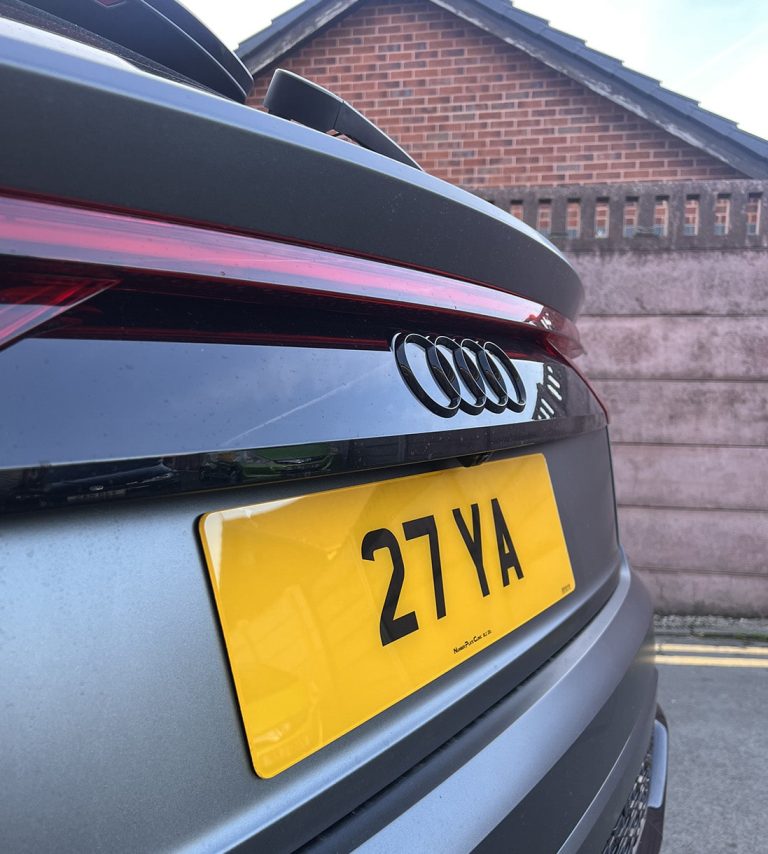

Choosing a new registration for your motorbike is often about more than just replacing a piece of plastic. It is a chance to sharpen the look of your bike, and for many riders, the choice typically narrows down to two premium options: 4D laser-cut or 3D gel. Both styles offer a raised, tactile finish that stands out compared to a standard 2D printed plate, but they achieve their look in very different ways. Understanding the subtle differences in durability and aesthetics is key before you decide to buy bike plates for your pride and joy.

The main difference between 4D and 3D gel motorcycle number plates lies in the profile and texture of the characters. While both are considered raised plates, the manufacturing process changes how they catch the light and how they feel to the touch. In many households and garages across the UK, 3D gel has been the long-standing favourite, but 4D has rapidly gained ground for its sharper edges and modern appeal.
3D Gel Plates are made by coating individual characters with a high-quality polyurethane resin. This creates a soft, domed profile with a glossy finish. Many riders find these 3D gel number plates suitable for motorcycles because the resin is somewhat flexible, meaning it can absorb small impacts from road debris without shattering. It is a classic, high-end look that feels smooth and rounded.
4D Laser-Cut Plates, on the other hand, are precision-cut using a laser. These characters are made from solid acrylic, which gives them a flat top and sharp, rectangular edges. If you look at 4d motorcycle number plates closely, you will see they have a more architectural, tiered appearance. They are unapologetically bold and offer a level of depth that gel simply cannot match. For those who want the most modern aesthetic, 4D is usually the go-to choice.
Legality is usually the first question on any rider’s mind. The short answer is yes: both styles are fully road-legal in the UK, provided they are manufactured by a DVLA-registered supplier like Number Plate Clinic. To be compliant, the plates must meet the British Standard BS AU 145e. This is the current regulation governing the strength, reflectivity, and character spacing of number plates. It ensures that every plate can be read clearly by ANPR (Automatic Number Plate Recognition) cameras.
When you consider how to fit a 4D or 3D gel plate on a motorcycle, you must ensure the supplier is using the correct legal font and maintaining the required spacing. You can certainly get 3d plates for motorbikes that are 100% legal, just as you can get 4d plates for motorcycles that meet all DVLA requirements. The characters must be a solid black colour; any styles with carbon fibre effects or custom colourways are strictly for show use and will not pass a roadside inspection.
The BS AU 145e standard was introduced to make plates more durable and easier for cameras to read. It requires that characters are permanently bonded to the plate. At Number Plate Clinic, we use approved materials to ensure your 4D or 3D characters stay exactly where they belong, even under the high vibrations common with motorbike engines. If you are preparing for a trip across the Channel, you might wonder do uk motorcycle number plates work in europe? The answer is yes, as long as they carry the correct UK identifier and are manufactured to these British Standards.
There is no single best plate, as it often depends on the style of your motorcycle. A sleek, modern superbike with sharp fairings often looks best with 4D Laser-Cut Plates, as the angles of the plate complement the design of the machine. Conversely, a classic cruiser or a retro-style naked bike often suits the softer, more organic look of 3D bike plates. It is about matching the weight of the lettering to the personality of the bike.
Maintenance is another factor to keep in mind. Because 4D characters have sharp edges, they can catch more road grime and salt over the winter months. A 3D Gel Plate is slightly easier to wipe clean with a cloth. If you have been buying a motorcycle at auction and are looking to refresh its appearance, a new set of plates is often the most cost-effective aesthetic upgrade you can make. Just be sure to check our uk motorcycle number plate guide to ensure you choose the correct format for your vehicle.
While riders often ask about motorcycle number plate sizes, the legality of 4D and 3D applies regardless of the plate’s physical dimensions. However, the plate itself must meet the law regarding margins around the characters. If your bike has a specific requirement, you might opt for road legal bike square jap plates, which provide a different layout but still allow for the beautiful 4D or 3D gel finish.
For those who use their bikes in exhibitions, 4d bike show plates offer even more variety. These are fantastic for display, though they must be swapped back for road-legal versions before you head home. If you are unsure about any of the technicalities, our faq about motorbike number plates covers the most common queries regarding fitment and document verification.
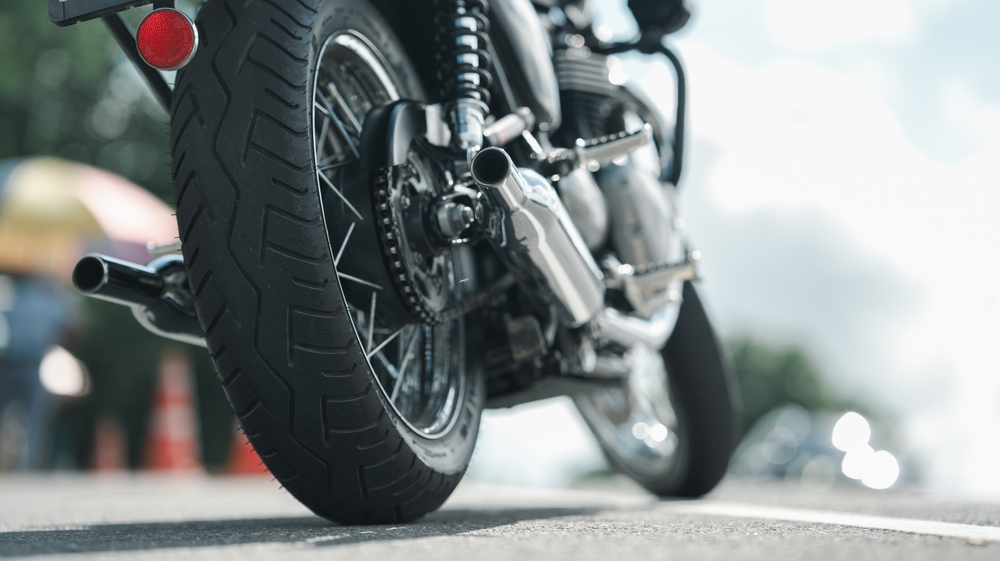
A damaged or incorrectly spaced number plate is a common reason for a minor MOT fail. Knowing how to prepare your motorcycle number plate for an mot can save you a lot of hassle. Check that no characters are peeling or fading. If you find yourself asking why is my motorcycle number plate fading, it is often due to the quality of materials in older plates. Upgrading to a 3D or 4D plate from our bike plates category solves this, as the materials are built for everyday driving.
When you are buying bike plates, remember that the law for 2026 remains clear on formatting. You can find more detail in our summary of everything you need to know about motorbike plates in 2026. Whether you are using a standard registration or you have decided to get private plates for bikes, the construction of the plate must remain top-tier to stay on the right side of the law.
The rules around motorcycle number plates represent a balance between personal expression and road safety. Our complete guide to buying motorbike number plates provides a deep dive into the regulations. If you want a quick refresh on the basics, our breakdown of key legal requirements for motorcycle number plates is a great place to start. Finally, for a look at the historical and current context of these laws, see our update on motorcycle number plate UK laws.
Ultimately, the choice between 4D and 3D gel is a matter of personal taste. Both offer superior durability and a premium feel that basic printed plates simply cannot touch. If you prefer a sharp, modern, and high-impact look, 4D is your winner. If you want a deep, glossy, and more tactile finish, 3D gel is the way to go. Whichever you choose, ensure you order from a registered supplier to keep your bike road-legal and looking its best.